Indiana Walleye Length Limits by Lake
It can be incredibly confusing and frustrating to keep up with all the different fishing regulations in Indiana, especially when it comes to specific fish species and the unique rules that apply to certain bodies of water. You might be gearing up for a fantastic walleye trip to a new lake, only to discover that the minimum length limit isn't what you expected, potentially leading to a frustrating citation or, worse, inadvertently harming the fishery. This comprehensive guide is here to untangle the complexities of Indiana's walleye length limits by lake, ensuring you're well-informed, compliant, and ready to enjoy a successful day on the water.
Understanding Indiana's Walleye Regulations Overview
Navigating fishing regulations can sometimes feel like trying to solve a puzzle, especially when it comes to a prized sport fish like walleye. These fish are highly sought after for their fighting spirit and delicious table fare, making them a significant target for many Hoosier anglers. Because of their popularity and ecological importance, the Indiana Department of Natural Resources (DNR) implements specific rules to ensure their populations remain healthy and sustainable for future generations.
Why Walleye Limits Matter
Imagine a lake where everyone keeps every walleye they catch, regardless of size. Within a few seasons, the population of larger, breeding fish would plummet, and the smaller fish wouldn't have a chance to grow. That's why walleye length limits are so crucial. They're not just arbitrary rules designed to make your life harder; they are a vital fisheries management tool. These limits ensure that enough walleye survive to reach reproductive age, contributing to a stable and thriving population. Keeping larger fish allows smaller, younger fish to grow, while protecting the largest spawners helps maintain genetic diversity and overall resilience of the species. Without these regulations, the fantastic walleye fishing experiences we enjoy today could quickly become a thing of the past.
Moreover, these regulations help distribute the catch among anglers. If everyone kept every fish, the resource would be quickly depleted. By setting minimum (and sometimes maximum) size limits, the DNR encourages a healthy catch-and-release ethic for smaller fish while allowing anglers to harvest larger, mature specimens within sustainable parameters. It’s all about balance – enjoying the present while safeguarding the future.
The Statewide Walleye Rule
When you're out fishing for walleye in Indiana, it's always best to be aware of the general regulations before you even wet a line. Most lakes and reservoirs across the state follow a pretty standard set of rules to keep things consistent and manageable. Generally, if you're fishing in a body of water not specifically mentioned as having an exception, you're likely operating under the statewide walleye rule. This rule is designed to provide a baseline for walleye conservation throughout much of Indiana's diverse fishing landscape.
This general regulation typically stipulates a minimum length and a daily bag limit. For instance, you might find that the common rule for many lakes is a 14-inch minimum length limit for walleye, with a daily bag limit of 6 fish. This means any walleye you catch that measures less than 14 inches must be immediately released back into the water, unharmed. It’s imperative to handle these smaller fish with care, minimizing their time out of the water to maximize their chances of survival. Always double-check the current "Indiana Fishing Regulations and Bag Limits Guide" published by the DNR, as these rules can change periodically based on ongoing fisheries assessments and scientific data.
Specific Walleye Length Limits for Northern Indiana Lakes
Northern Indiana is a hotspot for walleye fishing, particularly in its glacial lakes. These waters are often deeper, colder, and provide excellent habitat for walleye to grow to impressive sizes. However, with this popularity comes the need for more nuanced regulations to manage these specific fisheries effectively. It's not a one-size-fits-all situation up here, and understanding the local nuances can make or break your fishing trip.
North of State Road 26 Standard
For many of the picturesque lakes located north of State Road 26, the walleye length limit often adheres to a consistent standard, though it is slightly different from the general statewide rule you might encounter elsewhere. In this region, anglers are typically looking at a 16-inch minimum length limit. This means any walleye caught that measures under 16 inches must be promptly and carefully returned to the water. This increased minimum size is often implemented in areas where walleye populations are robust and growth rates allow fish to reach a larger size before they are harvested, promoting a higher quality fishery.
Lakes like Lake Wawasee, Big Turkey Lake, and other prime walleye destinations in counties such as Kosciusko and Steuben often fall under this 16-inch rule. This regulation helps ensure that the walleye in these productive northern waters have ample opportunity to mature and contribute to spawning, bolstering their numbers year after year. It's a key component of the DNR's strategy for maintaining the health and vitality of these valuable walleye fisheries. For more detailed information on specific rules for various water bodies in this region, consult the most recent Indiana fishing guide or visit the Indiana DNR website.
Exceptions: Bass Lake, Wolf Lake, and Lake George
Now, here's where things get a little more specific and where anglers often run into confusion. While many northern Indiana lakes share that 16-inch minimum, there are a few notable exceptions that have entirely different rules. These special regulations are put in place for very good reasons, often due to unique ecological conditions, specific management goals, or historical fishing pressures on those particular bodies of water. Knowing these exceptions is crucial; otherwise, you could easily find yourself in violation without even realizing it.
Three prominent lakes with unique walleye length limits are Bass Lake in Starke County, Wolf Lake, which spans the Indiana-Illinois border in Lake County, and Lake George in Steuben County. Each of these lakes has a distinct set of rules that deviates from the standard. For example, Bass Lake has a 14-inch minimum length limit for walleye, a full two inches less than the standard in many nearby northern lakes. This difference is often due to specific stocking programs or different growth rates observed in that particular lake's environment.
Wolf Lake, being an interstate water body, presents its own set of challenges and, consequently, its own rules. Anglers fishing the Indiana portion of Wolf Lake will find a 14-inch minimum length limit for walleye, which is also a notable deviation from the more common northern Indiana standard. This harmonizes with the regulations on the Illinois side to some extent, aiming to prevent confusion for anglers who might fish both sides of the state line. Finally, Lake George in Steuben County also has a specific 14-inch minimum length limit, another unique rule among its neighboring glacial lakes. You can dive deeper into "Why Bass Lake and Wolf Lake Have a Lower Walleye Limit" in a related post to understand the management decisions behind these specific rules. Always verify these specific lake regulations before your trip to ensure you're compliant. A quick check on the Indiana DNR's website or their annual fishing guide is always a good idea.
Walleye Length Limits South of State Road 26
Moving further south into Indiana, the fishing landscape changes, and with it, sometimes the regulations. While northern Indiana boasts many natural glacial lakes, the southern half of the state is characterized more by large reservoirs and river systems. These different environments can influence fish growth, population dynamics, and, consequently, the specific rules designed to manage them effectively.
The Simpler Southern Rule
Generally speaking, when you venture south of State Road 26, the walleye length limit tends to simplify somewhat compared to the patchwork of rules in the northern glacial lakes. For most of the central and southern Indiana waters, including many of the large reservoirs and river impoundments, the common regulation you'll encounter for walleye is a 14-inch minimum length limit. This means that any walleye caught must measure at least 14 inches from the tip of its snout to the end of its tail to be legally harvested. Fish shorter than this must be released immediately and unharmed.
This more uniform rule makes it a bit easier for anglers to keep track of regulations when moving between different fishing spots in the southern part of the state. While there are always specific lake considerations to keep an eye out for, the 14-inch minimum serves as a good general guideline for "Walleye Minimum Length South of State Road 26 in Indiana." It's a pragmatic approach to ensure sustainable walleye populations in these larger, often man-made, impoundments. Remember, even with simpler rules, checking the official DNR guide before heading out is a habit every responsible angler should cultivate.
Popular Southern Lakes and Their Walleye Limits
While the 14-inch minimum is prevalent in southern Indiana, it's always smart to be familiar with some of the most popular walleye fishing destinations in the region and confirm their specific rules. Large reservoirs, in particular, often have comprehensive management plans due to their size and popularity with anglers. Places like Monroe Lake, Patoka Lake, and Brookville Lake are fantastic for walleye, and they generally adhere to that 14-inch minimum length limit with a daily bag limit of 6 fish.
Monroe Lake, Indiana's largest inland lake, is a prime example. It's a huge fishery, and the 14-inch walleye minimum helps protect its extensive population while offering excellent opportunities for anglers. Similarly, Patoka Lake, known for its clear waters and diverse fishing, follows the same 14-inch rule, allowing walleye to reach a respectable size before harvest. Brookville Lake, a favored destination in eastern Indiana, also aligns with this common southern regulation. These large reservoirs are key to Indiana's walleye fishery, and their consistent regulations help anglers plan their trips without constant worry about unique size restrictions. Always remember that while these lakes generally follow the 14-inch rule, conditions and regulations can evolve, so a quick check of the current Indiana DNR fishing guide is your best bet for the most up-to-date information before you hit the water.
How to Accurately Measure Your Walleye Catch
Catching a walleye that feels like a keeper is exhilarating, but the excitement can quickly turn to anxiety if you're not sure how to measure it properly. An inaccurate measurement could lead to releasing a legal fish, or worse, keeping an undersized one and facing penalties. Knowing the correct technique for measuring fish is a fundamental skill for any responsible angler, especially when dealing with length limits that vary by lake.
Proper Measurement Techniques
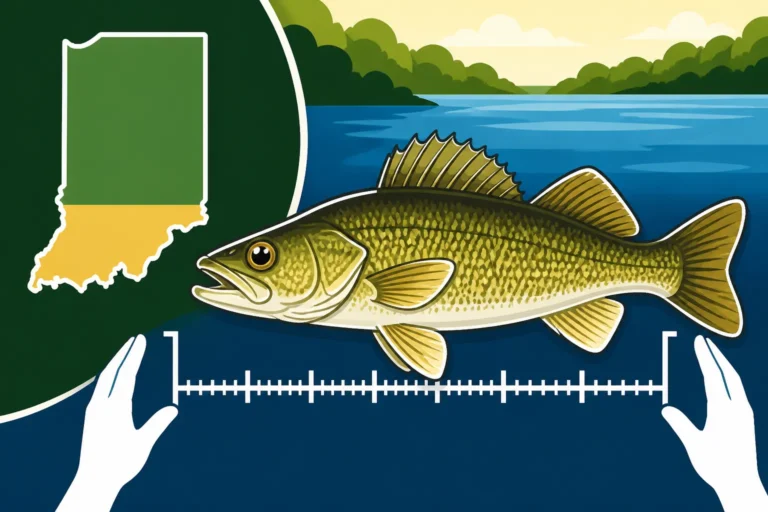
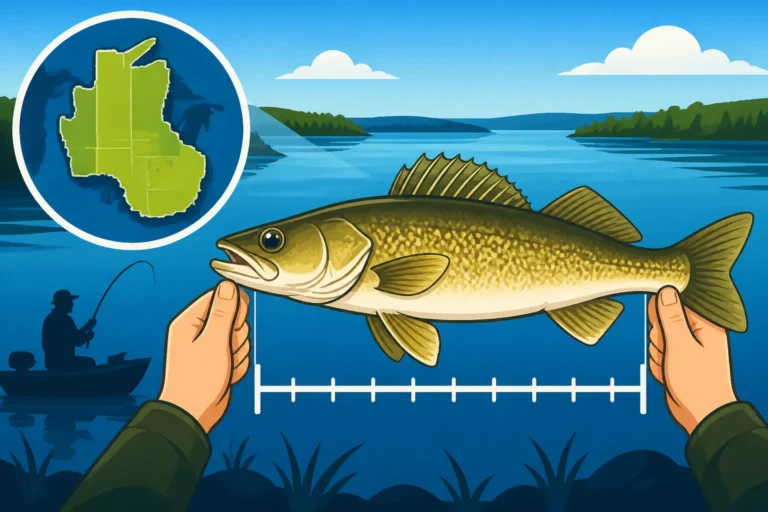
Measuring a fish accurately is simpler than you might think, but there are a few key points to remember to ensure you're always compliant with Indiana's regulations. When measuring your walleye, the rule of thumb is to measure from the tip of the snout (with the mouth closed) to the very end of the tail, with the tail compressed. This "total length" measurement is the standard used by the Indiana DNR. It's important that the fish is lying flat on a measuring board or tape, not curved or bent, as this can lead to an inaccurate shorter measurement. Make sure the head is against a stop or at the zero mark of your measuring device.
Many anglers carry a sturdy, flat fish measuring board, often made of plastic or aluminum, which provides a consistent surface and clear markings. You can find a good quality, foldable measuring board on Amazon that will easily fit into your tackle box or boat compartment. If you're using a flexible tape measure, ensure the fish is laid out straight, and you firmly press the tail to get the maximum length. Having a clear photo of your measurement against a reliable device can also be helpful in case of any questions from conservation officers. Always err on the side of caution; if it's close, it's generally best to release.
What to Do with Undersized Walleye
The thrill of a walleye bite is undeniable, but sometimes, the fish on the end of your line just isn't quite big enough to keep. Encountering an undersized walleye is a common occurrence, and knowing how to properly handle and release it is just as important as knowing how to measure it. Releasing a short fish correctly significantly increases its chances of survival, ensuring it can grow to legal size and contribute to the fishery.
When you catch an undersized walleye, the first priority is to minimize its stress and handling time. Avoid using a dry towel or laying the fish on rough surfaces, which can remove its protective slime coat and damage its scales. If possible, try to unhook the fish while it's still in the water, especially if you're using a single, barbless hook. If you need to bring it aboard, use a rubberized net to support its body, and handle it with wet hands. Avoid gripping the fish by the eye sockets or gill plates, as these are very sensitive areas.
Quickly remove the hook using needle-nose pliers or a de-hooking tool. If the fish is deeply hooked, especially in the gills or throat, it's often best to cut the line as close to the hook as possible rather than trying to remove it, as this can cause more internal damage. Gently lower the fish back into the water, head first, and if it seems sluggish, hold it upright and slowly move it back and forth to help water flow over its gills until it swims away under its own power. Practicing these catch-and-release techniques ensures you're doing your part to sustain Indiana's walleye populations.
The Reasoning Behind Varying Walleye Regulations
It might seem complex or even frustrating to have different walleye length limits for different lakes in Indiana. You might wonder why the DNR doesn't just apply one universal rule across the board. However, these varied regulations are not arbitrary decisions; they are carefully crafted strategies based on extensive scientific research and a deep understanding of each specific fishery. There's a method to the madness, and it all boils down to effective conservation and optimal angling opportunities.
Population Management and Conservation
The primary reason for differing walleye length limits across Indiana's lakes is effective population management and conservation. Each body of water is a unique ecosystem, with its own carrying capacity, forage base, water quality, and fishing pressure. The DNR conducts regular surveys, assessing walleye spawning success, growth rates, age structure, and overall health in individual lakes. Based on this data, specific regulations are tailored to that particular water body.
For example, a lake with a high growth rate and abundant forage might sustain a higher minimum length limit, allowing fish to grow larger and contribute more significantly to the gene pool before harvest. This is often the case in some of the productive northern Indiana glacial lakes, leading to a "Walleye Minimum Length North of State Road 26." Conversely, a lake with slower growth, higher fishing pressure, or a different population structure might benefit from a slightly lower minimum length, like the "Walleye Minimum Length South of State Road 26 in Indiana," to allow for more harvest opportunities while still protecting adequate numbers of breeding fish. These localized rules are dynamic, changing over time as fisheries evolve, making it essential for anglers to stay informed about the specific regulations for their chosen fishing destination each season.
Habitat Differences and Growth Rates
Another critical factor contributing to varied walleye length limits is the distinct habitat differences between Indiana's lakes and the resulting impact on fish growth rates. Walleye thrive in specific conditions, and not all Indiana waters provide the same ideal environment. Northern glacial lakes, for instance, are typically deeper, colder, and clearer, often mimicking the natural habitats where walleye are historically abundant. These conditions can lead to faster growth rates and allow walleye to reach larger sizes.
Conversely, some southern reservoirs or river systems might have different water temperatures, nutrient levels, or forage availability that influence how quickly walleye grow. For example, lakes like Bass Lake, Wolf Lake, and Lake George, despite being in the northern region, might have unique characteristics – perhaps a different mix of forage species, historical stocking strategies, or environmental factors – that lead the DNR to implement specific 14-inch minimum limits, rather than the more common 16-inch rule found in other nearby waters. This is why you see the "Bass Lake Walleye Length Limit Is Different From the Rest of the State." These regulations are a direct reflection of biologists observing what works best for the fish in that specific body of water, aiming to create the most robust and resilient fishery possible while balancing angler harvest.
Gear and Best Practices for Catching Legal Walleye
Having the right gear and knowing the best practices aren't just about catching more walleye; they're also about catching legal walleye and ensuring the health of the fish you release. Effective walleye fishing, especially when length limits are in play, requires a thoughtful approach to tackle selection and fishing techniques. It’s about being prepared for success, both in landing a fish and in handling it responsibly.
Recommended Gear for Walleye Fishing
To consistently catch walleye, particularly those of legal size, having the right setup is paramount. Walleye are often elusive and finicky, requiring sensitive gear to detect their subtle bites. A good walleye setup typically includes a medium-light to medium-heavy spinning rod, around 6 to 7 feet long, paired with a matching spinning reel spooled with 6-10 pound test monofilament or fluorocarbon line. Braided line with a fluorocarbon leader is also an excellent choice for increased sensitivity and strength. You can find high-quality rod and reel combos and line on Amazon, perfect for a versatile walleye setup.
Beyond the rod and reel, an essential piece of equipment is your tackle. Jigs, crankbaits, and live bait rigs are all staples for walleye. For jigs, a variety of sizes and colors are critical, often paired with soft plastic trailers or live minnows. When trolling, diving crankbabaits in natural baitfish patterns are highly effective. And of course, a good selection of hooks, sinkers, and swivels for live bait presentations (like a bottom bouncer rig with a crawler harness) are indispensable. Don't forget that reliable fish measuring board and needle-nose pliers for safe hook removal, especially when practicing catch and release. For a deeper dive into what works, check out "Best Lures for Indiana Walleye Fishing."
Techniques for Targeting Larger Walleye
If your goal is to consistently catch legal-sized walleye, especially in waters with higher minimum length limits like the 16-inch rule north of State Road 26, you'll want to refine your techniques to target larger fish. While smaller walleye will hit just about anything, bigger walleye often require a more deliberate and specialized approach. They tend to be more wary and prefer larger, more substantial meals.
One highly effective technique for targeting bigger walleye is trolling with larger crankbaits or deep-diving stickbaits. These lures imitate bigger baitfish and can cover a lot of water, appealing to the predatory nature of larger walleye. Using a fish finder to locate underwater structure, ledges, and deep humps where big walleye often congregate is also crucial. When jigging, try upsizing your jig heads and using larger soft plastic presentations or bigger minnows. In some cases, slow-trolling live bait like large shiners or suckers on a bottom bouncer rig can be deadly for trophy-sized walleye. Additionally, fishing during low-light conditions, such as dawn, dusk, or even at night, often produces larger walleye, as they become more active predators during these times. Understanding their feeding patterns and preferred habitats, as detailed in an "Indiana Walleye Fishing: A Complete Guide," will significantly boost your chances of landing a legal keeper.
Consequences of Violating Walleye Length Limits
It's tempting, especially when the fishing is tough or you just caught a beautiful walleye that's just shy of the limit, to bend the rules. However, ignoring or misunderstanding Indiana's walleye length limits can lead to serious consequences that extend far beyond a ruined fishing trip. These regulations are enforced by conservation officers for good reason, and the state takes violations seriously.
Penalties and Fines
Fishing without adhering to length limits, daily bag limits, or possessing an undersized fish can result in significant penalties and fines in Indiana. These aren't just minor slaps on the wrist; they can hit your wallet hard and potentially impact your ability to fish in the future. The exact fine can vary depending on the severity of the offense, the number of fish involved, and whether it's a first-time or repeat violation. Typically, you're looking at fines that can range from a few hundred dollars to over a thousand, plus court costs.
In addition to monetary fines, conservation officers have the authority to confiscate your fishing gear, including your rod, reel, and even your catch. Repeated offenses or serious violations can lead to the suspension or revocation of your fishing license, meaning you might not be able to fish in Indiana for a substantial period. Nobody wants to be the subject of a blog post like "Penalties and Fines for Fishing Without a License," and the same principle applies to disregarding size and bag limits. The best way to avoid these unpleasant outcomes is to always know the rules for the specific lake you're fishing and abide by them diligently.
Protecting Indiana's Fishery
Beyond the personal legal and financial repercussions, violating walleye length limits has a much broader, more detrimental impact on Indiana's overall fishery. Every time an undersized walleye is illegally harvested, it's one less fish that has the chance to grow, mature, and contribute to the spawning population. This directly undermines the hard work of the Indiana DNR and the efforts of countless conservation-minded anglers who strive to maintain healthy fish stocks.
When too many juvenile fish are removed, it can lead to a phenomenon known as "recruitment failure," where not enough new fish are entering the breeding population to replace those that are lost. This can cause a dramatic decline in the overall walleye numbers in a lake, making it harder for everyone to catch fish in the future. Furthermore, removing larger, mature fish beyond the prescribed limits can reduce the genetic diversity and overall resilience of the population, making it more susceptible to disease or environmental changes. Adhering to these length limits is a direct way every angler can contribute to the long-term health and vibrancy of Indiana's walleye fisheries, ensuring that this fantastic resource remains available for generations to come.
Staying Informed and Where to Find Official Regulations
In the fast-paced world of fishing, regulations can sometimes change, and new insights from fisheries biologists might lead to updates in length limits or bag limits. It's not enough to learn the rules once; staying continuously informed is a critical part of being a responsible and successful angler. Knowing where to find the most accurate and up-to-date information is your best defense against inadvertently violating a regulation.
Indiana DNR Resources
The absolute best and most reliable source for all Indiana fishing regulations, including specific walleye length limits by lake, is the Indiana Department of Natural Resources (DNR). The DNR is responsible for managing the state's natural resources, and they provide comprehensive, easy-to-understand guides and online resources for anglers. Their official website is a treasure trove of information, offering the latest updates, special announcements, and detailed breakdowns of rules for specific waters.
Every year, the Indiana DNR publishes a new "Indiana Fishing Regulations and Bag Limits Guide." This guide is available both online as a downloadable PDF and often in print at bait shops, DNR offices, and sporting goods stores across the state. This guide is your bible for all things regulation-related, including critical details like "Indiana Walleye Length Limits by Lake." I always recommend downloading the digital version to your phone or tablet so you have it handy, even when out on the water without cell service. It's updated annually, usually in the spring, so make it a habit to review it before your first trip of the new fishing season to catch up on any changes.
The Importance of Annual Review
Think of the annual review of fishing regulations like tuning up your boat or sharpening your hooks – it's a necessary part of your pre-season ritual. Fisheries are dynamic, complex systems, and what worked last year might not be the most sustainable approach this year. The DNR consistently monitors fish populations, conducts scientific studies, and analyzes angler feedback to make informed decisions about managing our precious aquatic resources. These decisions sometimes result in adjustments to length limits, bag limits, or even special regulations for specific lakes.
For example, a lake that had a fantastic walleye spawn a few years ago might see a temporary adjustment to a length limit to protect that bumper crop as they grow. Or, conversely, a struggling fishery might have stricter rules implemented to help it recover. Without taking the time to review the "Indiana Fishing Regulations and Bag Limits Guide" each year, you could easily miss these crucial updates. Imagine heading out to Lake George, remembering only the statewide rule, and not realizing the "Lake George Walleye Length Exception in Steuben County" changed. A few minutes of review can save you from a frustrating interaction with a conservation officer, hefty fines, and, most importantly, ensures you're playing your part in the conservation efforts that keep Indiana fishing fantastic.
Summary of Walleye Length Limits by Lake (Table)
To help you quickly reference the most common walleye length limits in Indiana, here's a table summarizing the general rules and key exceptions. Remember, this table is a summary, and the official Indiana DNR Regulations Guide should always be consulted for the most current and comprehensive information.
| Region/Lake Type | Minimum Walleye Length Limit | Daily Bag Limit | Notes |
|---|---|---|---|
| Most Waters North of State Road 26 | 16 inches | 6 fish | Applies to many glacial lakes (e.g., Lake Wawasee, Big Turkey Lake) |
| Bass Lake (Starke County) | 14 inches | 6 fish | Specific exception to northern region standard. |
| Wolf Lake (Lake County) | 14 inches | 6 fish | Specific exception to northern region standard, shared with Illinois. |
| Lake George (Steuben County) | 14 inches | 6 fish | Specific exception to northern region standard. |
| Most Waters South of State Road 26 | 14 inches | 6 fish | Applies to many reservoirs (e.g., Monroe Lake, Patoka Lake, Brookville Lake). |
This table is a great quick reference, but remember that the landscape of fishing regulations can shift. Keep that DNR guide handy!
Disclaimer
The information provided in this guide is for general informational purposes only and is not intended as legal advice. Fishing regulations, including length limits, can change. Always consult the most current official Indiana Department of Natural Resources (DNR) fishing guide or website before engaging in any fishing activities to ensure compliance with all state and local laws.