Indiana Fishing License Year Explained
There’s nothing quite like that feeling of excitement as spring rolls around and the urge to get out on Indiana’s lakes and rivers becomes undeniable. But for many anglers, especially new ones or those just returning to the sport, there’s often a nagging question: "When does my fishing license actually expire?" It's a common point of confusion, and getting it wrong can lead to unnecessary fines. This comprehensive guide is here to clear up all the mysteries surrounding the Indiana fishing license year, ensuring you stay legal and maximize your time on the water.
The Annual Cycle of Indiana's Fishing License
It's a pattern as predictable as the changing seasons themselves, yet it still catches some folks off guard every year. Indiana’s fishing license operates on a specific, fixed annual cycle that doesn't necessarily align with when you decide to buy it. Understanding this cycle is the bedrock of hassle-free angling in the Hoosier State.
Why April 1st Marks the Start of a New Fishing Year
For many of us, April 1st might bring thoughts of April Fool's Day pranks, but for Indiana anglers, it's the official kick-off of a brand new fishing season. This date isn't just arbitrary; it's strategically chosen to align with the natural rhythms of fish activity and angler enthusiasm. As the winter chill finally recedes, ice melts away, and water temperatures begin to climb, fish species across Indiana — from the robust largemouth bass stirring from their winter lethargy to panfish beginning to scout for spawning grounds — become more active.
This early spring period is often when fish are in their pre-spawn patterns, hungry and aggressive, making for some of the year's most exciting fishing. The Indiana Department of Natural Resources (DNR) likely selected April 1st as the start of the license year to capture this prime angling window. It encourages anglers to purchase their licenses right at the beginning of the most productive fishing months, ensuring they're covered for the entire peak season. Imagine missing out on that early spring crappie bite on Patoka Lake or the first aggressive bass strikes on Monroe Lake just because you thought your license would last until summer! It’s all about getting you out there when the fishing is good.
Understanding the March 31st Expiration Date
Just as April 1st signals a fresh start, March 31st unequivocally marks the end of the previous fishing year. This means that every single annual Indiana fishing license, regardless of when you purchased it between the previous April 1st and the current March 31st, will expire on that final day of March. If you bought your license in, say, August, you aren't getting a full 12 months from that purchase date. You're getting the remainder of the current license year, which ends on March 31st.
This fixed expiration date is crucial to remember. I’ve heard countless stories, and even been guilty myself once or twice in my younger days, of heading out on a beautiful April morning, tackle box in hand, only to realize at the ramp that my license technically expired the day before. It’s a real gut-punch, especially if you’ve driven a good distance to get to your favorite spot. The last thing you want is to be standing at the water's edge on April 1st, full of anticipation, and then have to scramble to get a new license, or worse, risk a citation. It’s always best to be proactive and ensure your paperwork is in order before the season truly ramps up.
Common Misconceptions About the License Year
It's easy to get confused with something as specific as license expiration dates, especially when many other annual subscriptions or memberships run on a calendar year. The Indiana fishing license system often trips people up precisely because it deviates from these common expectations. Let's clear up some of those persistent myths.
It's Not a Calendar Year License
This is perhaps the most widespread misunderstanding, and it's the one that causes the most headaches for anglers. Many assume that if they buy their license anytime during a given calendar year (January 1st to December 31st), it will be valid for that entire period. However, as we've already established, Indiana's fishing license year doesn't follow the calendar. It runs from April 1st to March 31st.
This distinction is critically important. If you, for example, purchased your annual license in July, you might naturally think you're good until the following July. But in reality, that license is only valid until March 31st of the next year. You'd lose several months of what you might have expected to be coverage. This can feel a bit unfair if you're not aware, but that's simply how the system is set up. It's designed to streamline renewals and align with the state's natural fishing seasons, rather than calendar quarters. For more detailed information on specific costs, you might find our guide on Indiana Fishing License Costs for Residents and Nonresidents helpful in budgeting.
The "12 Months from Purchase" Myth
Another common misconception is that an Indiana fishing license, once purchased, is valid for exactly 12 months from the date of acquisition. While this "rolling" 12-month validity period is common for some memberships or even short-term licenses in other states, it simply isn't the case for Indiana's standard annual fishing license. The only licenses that operate on a "valid from date of purchase" basis are specific short-term options, typically designed for non-residents or those on very brief trips, like a 1-day or 7-day license.
If you buy your annual resident license in October, thinking you're set until next October, you're actually only covered until the following March 31st. That's only six months! This means you'd need to repurchase a new annual license on April 1st to continue fishing legally. It's a key detail that, if overlooked, can lead to frustration and wasted money, or even worse, fishing without a valid license. Always remember the April 1st to March 31st cycle for your annual permit.
Practical Implications for Anglers
Understanding the Indiana fishing license year isn't just about avoiding fines; it's about smart planning and maximizing your enjoyment on the water. Knowing the system allows you to make informed decisions about when to buy and how to stay compliant with minimal fuss.
Planning Your Fishing Trips Around the License Year
Armed with the knowledge that the Indiana fishing license year runs from April 1st to March 31st, you can now plan your purchases much more strategically. The absolute best time to buy your annual license for maximum value is right around April 1st. This ensures you get a full 12 months of fishing opportunities for the single annual fee. Imagine getting your license on April 1st and being able to fish through all the prime spring, summer, fall, and even some early winter days, right up until the following March 31st. That's getting your money's worth!
Conversely, if you purchase your annual license later in the year, say in October, you're only getting a few months of coverage before it expires on March 31st. For instance, if you're planning a last-minute fall muskie trip to Lake Wawasee in November, buying a full annual license might not be the most economical choice unless you plan to fish heavily in the upcoming spring. For short, late-season trips, a short-term license might be a better value, especially for non-residents. Thinking ahead about your fishing schedule can save you money and ensure you're always covered.
Renewing Your Indiana Fishing License
Renewing your Indiana fishing license is thankfully a pretty straightforward process, and with the fixed annual cycle, it becomes a simple routine once you get the hang of it. You have several convenient options for renewal. Most people these days opt for the ease of online renewal through the Indiana DNR’s official website. It’s quick, efficient, and you can do it from the comfort of your home, often in just a few minutes. If you need a refresher, check out our guide on Renewing an Indiana Fishing License Online.
Beyond online, you can also renew your license at authorized license vendors across the state, such as bait shops, sporting goods stores, and some county clerks' offices. Many of these places are super helpful, and it’s a great way to support local businesses while getting your license. You can also renew by phone. The key is to not wait until the last minute. Setting a reminder for mid-March can save you from that frantic scramble on April Fool’s Day. I usually mark it on my digital calendar, and sometimes even set a reminder to order some new hooks or a fresh spool of line from a place like Amazon while I’m at it, tying my license renewal into my pre-season tackle prep. This way, you avoid any lapse in coverage and can hit the water immediately once the weather breaks. For comprehensive details, our guide on How to Get an Indiana Fishing License walks you through all the steps.
Different License Types and Their Lifespans
While the annual license has a fixed April-to-March cycle, it's important to remember that not all fishing permits in Indiana follow the exact same rules. Different license types are designed to cater to various angling needs, and some do indeed offer more flexible validity periods.
Annual vs. Short-Term Licenses
The standard annual fishing license, as we’ve discussed, is valid from April 1st to March 31st of the following year. This is the go-to option for resident anglers who plan to fish regularly throughout the year. It provides the most comprehensive coverage for the longest period within that fixed cycle.
However, Indiana also offers short-term licenses, primarily designed for non-resident anglers or residents who only plan a very brief fishing excursion. These include:
- Nonresident 1-Day Fishing License: This license is valid for 24 hours from the specific date and time you select at the point of purchase. So, if you buy it at 8 AM on a Saturday, it’s good until 8 AM on Sunday.
- Nonresident 7-Day Fishing License: This license is valid for seven consecutive days from the specific date and time of purchase. This is a great option for visitors planning a week-long vacation that includes fishing.
These short-term options do function on the "X days from purchase" model, making them distinct from the annual license. This flexibility is incredibly helpful for planning quick trips to places like the Lake Michigan shoreline or one of the state's beautiful reservoirs without committing to a full annual license. Make sure to consider your trip duration and residency when choosing, as explained in our detailed Indiana Nonresident Fishing License Guide.
Specialized Licenses and Stamps
Beyond the basic annual and short-term fishing licenses, Indiana also requires specific stamps for certain types of fishing, and offers special licenses for specific demographics. These generally align with the annual license cycle, but it’s always good to be clear on the details.
The most common additional requirement is the Indiana Trout and Salmon Stamp Requirements. If you plan to fish for trout or salmon in Indiana waters, including the magnificent Lake Michigan or its tributaries during the salmon and steelhead runs, you'll need this stamp in addition to your regular fishing license. Crucially, this stamp also follows the April 1st to March 31st annual cycle, expiring on the same day as your annual fishing license. So, if you buy your annual license and trout stamp in July, both will expire the following March 31st.
For our esteemed senior anglers, Indiana offers specific options like the annual senior license and the popular Fish-for-Life license. The annual senior license for residents aged 65 and older is incredibly affordable, priced at just $3 per year. This also follows the April 1st to March 31st cycle. However, the Indiana Senior Fish-for-Life License: Is It Still Available? is a unique, one-time purchase. Once you buy it, it’s valid for the remainder of your life, regardless of the April 1st cycle. This is an exceptional value for older anglers, eliminating the need for annual renewals. The Fish-for-Life license is a truly fantastic deal, as highlighted in our article Indiana Senior Fish-for-Life License Cost: $23 One-Time, making it a lifelong investment in angling enjoyment. Always double-check if a stamp (like the trout/salmon stamp) is included or needs to be purchased separately with these specialized licenses, as they often don't include it.
Here's a quick summary table of license validity:
| License Type | Eligibility | Validity Period | Notes |
|---|---|---|---|
| Annual Resident Fishing | Indiana Resident | April 1st – March 31st | Fixed annual cycle, regardless of purchase date. |
| Annual Nonresident Fishing | Non-Indiana Resident | April 1st – March 31st | Fixed annual cycle. |
| Nonresident 1-Day Fishing | Non-Indiana Resident | 24 hours from purchase time | Flexible, short-term. |
| Nonresident 7-Day Fishing | Non-Indiana Resident | 7 consecutive days from purchase time | Flexible, for longer visits. |
| Indiana Senior Annual Fishing | IN Resident, 65+ years old | April 1st – March 31st | Very affordable annual option. |
| Indiana Senior Fish-for-Life | IN Resident, 64+ years old | Lifetime | One-time purchase, valid for life. |
| Youth Fishing | IN & Non-IN Residents, under 18 | Not required | Kids fish free until their 18th birthday. |
| Indiana Trout/Salmon Stamp | All anglers fishing for T/S | April 1st – March 31st | Required in addition to a fishing license. |
| Free Fishing Days | All anglers | Specific designated days only | No license or stamp required on these days. |
Maximizing Value: When to Buy Your License
Nobody wants to feel like they’ve paid for something they didn’t fully use. When it comes to your fishing license, a little strategic timing can ensure you get the most bang for your buck, maximizing your time on the water.
The Best Time to Purchase for a Full Year
If you're an Indiana resident planning to fish throughout the year, the absolute best time to purchase your annual fishing license is right at the start of the new license year: April 1st. By buying on or shortly after this date, you ensure your license is valid for a full 12 months, covering you through all four seasons until the following March 31st. This gives you the maximum number of fishing days for the standard Indiana Resident Annual Fishing License Cost of $23.
Think about it: from the lively spring spawn to the warm summer evenings chasing catfish, the vibrant fall salmon runs on Lake Michigan, and even some hardy winter ice fishing (if conditions allow), you’ll be covered without a second thought. Setting a reminder on your phone or marking your calendar for early April can make this a seamless annual ritual. It’s like hitting the reset button on your fishing adventures, ready for whatever the Indiana waters have to offer. You might even find some great deals on new tackle or gear on Amazon at the same time, perfectly timing your license renewal with your seasonal gear refresh.
What if You Buy Later in the Year?
Life happens, and sometimes you don’t get around to buying your license right on April 1st. Maybe you suddenly decide to take up fishing in July, or you’re planning a spontaneous trip in the fall. While you can certainly purchase an annual license at any point during the license year, it’s important to understand the diminishing value.
If you buy an annual license in, say, August, you’ll only have it for roughly eight months before it expires on March 31st. Purchase it in January, and you're looking at only three months of coverage. While the price of the annual license remains the same regardless of when you buy it, your cost per month of fishing clearly increases the later in the cycle you purchase.
For those situations where you only plan a short fishing trip late in the license year, especially if you're a non-resident, it might be more economical to opt for a short-term license (1-day or 7-day). For example, a non-resident wanting to fish for a single weekend in October might find the Nonresident 7-Day Fishing License Cost in Indiana to be a much better value than buying a full annual non-resident license that will expire in just five months. Always weigh your fishing plans against the license options to make the most sensible choice for your wallet and your time on the water.
What Happens If You Forget to Renew?
It happens to the best of us. In the hustle and bustle of daily life, that April 1st deadline can sneak up. But when it comes to fishing licenses, forgetting to renew isn't just a minor oversight; it can have real consequences.
Fishing with an Expired License
Plain and simple: fishing with an expired license is the same as fishing without a license at all. There's no grace period in Indiana. If a conservation officer checks your license on April 1st and it says "Expires: March 31st," you are technically in violation. While an officer might be lenient in certain circumstances, they are well within their rights to issue a citation.
The penalties for fishing without a license can vary, but they are certainly something you want to avoid. You could face fines, court costs, and in some cases, even temporary loss of fishing privileges. These penalties can add up quickly, making that missed $23 annual license fee seem incredibly cheap in comparison. Imagine heading out for a peaceful day of crappie fishing on Lake Monroe, only to return home with a hefty fine instead of a cooler full of fish. Our guide on Penalties and Fines for Fishing Without a License delves deeper into what you might expect if you're caught without a valid permit. It's a risk that's simply not worth taking.
How to Avoid a Lapse in Coverage
Avoiding a lapse in your fishing license coverage is surprisingly easy with a bit of proactive planning. The simplest and most effective method is to set a reminder. Modern technology makes this a breeze. You can set a recurring annual reminder on your phone, your digital calendar, or even ask a smart home device like an Amazon Echo to remind you every year in mid-March.
Another excellent habit is to check your current license status well before the March 31st expiration date. Take a look at your physical license or log into the Indiana DNR online licensing system in late February or early March. This gives you plenty of time to renew without feeling rushed. Since you can renew your license online in just a few clicks, there’s really no excuse for getting caught unprepared. Making renewal a part of your early spring routine, perhaps when you’re checking over your fishing gear or servicing your boat, ensures you’re always ready to cast a line legally.
Important Exceptions and Special Considerations
While the April 1st to March 31st cycle applies to most annual licenses, Indiana does have some fantastic programs and rules that offer exceptions or special considerations, ensuring fishing is accessible and enjoyable for a wider range of people.
Indiana Free Fishing Days Guide
One of the most beloved exceptions to the license requirement is Indiana's Indiana Free Fishing Days Guide. These are specific, designated days throughout the year when anyone can fish Indiana's public waters without needing a fishing license or a trout/salmon stamp. These days are a fantastic opportunity for families, new anglers, or even seasoned veterans who want to introduce a friend to the sport without the initial cost of a license.
Typically, Indiana designates a few free fishing days each year, often spread across the spring and fall. For instance, recent years have seen free fishing days in May, June, and September. Our article Indiana Free Fishing Days: May, June, and September Dates provides the exact schedule for the upcoming year, so you can plan accordingly. On these days, you can truly enjoy the experience stress-free, focusing on the joy of the catch. Just remember, while the license requirement is waived, all other fishing regulations, such as bag limits and size restrictions, still apply. Always make sure you know the rules for the specific body of water you're fishing.
Youth and Senior Exemptions
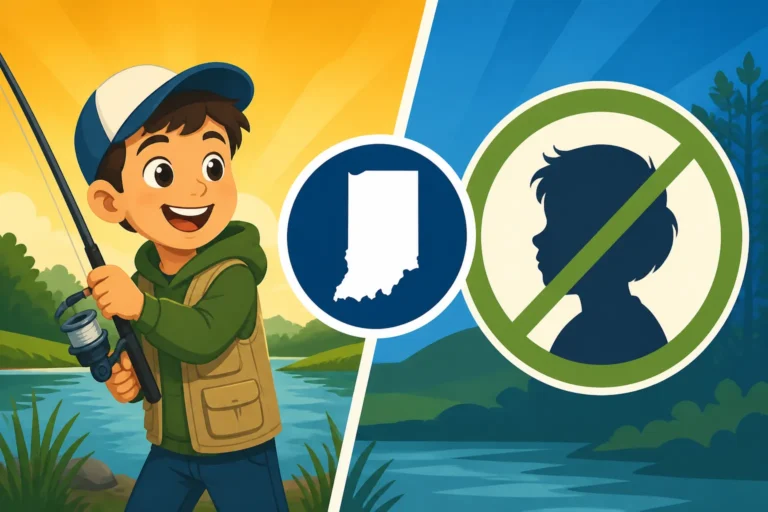
Indiana is also very welcoming to its younger and older anglers through specific exemptions and special license programs. For youth, the rule is wonderfully simple: Do Indiana Residents Under 18 Need a Fishing License? No! Any Indiana resident under the age of 18 can fish without a license. This makes fishing an incredibly accessible and affordable hobby for kids and families, encouraging the next generation of anglers to get out and experience nature. This exemption applies to both residents and non-residents under 18.
For seniors, as briefly touched upon earlier, Indiana offers some incredible value. Residents aged 65 and older have access to reduced-cost annual licenses, and the truly exceptional Indiana Senior Fishing License Options includes the Senior Fish-for-Life License. This one-time purchase provides fishing privileges for the remainder of your life, completely bypassing the annual renewal cycle forever. While the basic annual license for seniors still runs from April 1st to March 31st, the Fish-for-Life license is a permanent solution. Even with these exemptions, understanding the general license year is still beneficial. For example, if a senior angler with a Fish-for-Life license decides they want to try their hand at salmon fishing in Lake Michigan, they would still need to purchase the annual trout/salmon stamp, which does follow the April 1st to March 31st cycle.
These thoughtful exemptions and special programs demonstrate Indiana’s commitment to making fishing accessible and enjoyable for everyone, from the youngest aspiring angler to our most seasoned veterans.
Disclaimer
Please remember that fishing regulations and license requirements can change. While this guide provides comprehensive and up-to-date information as of its publication, it is always your responsibility as an angler to check the most current Indiana Department of Natural Resources (DNR) regulations before heading out. This content is for informational purposes only and should not be considered legal advice.