Is Brown Trout Good to Eat?
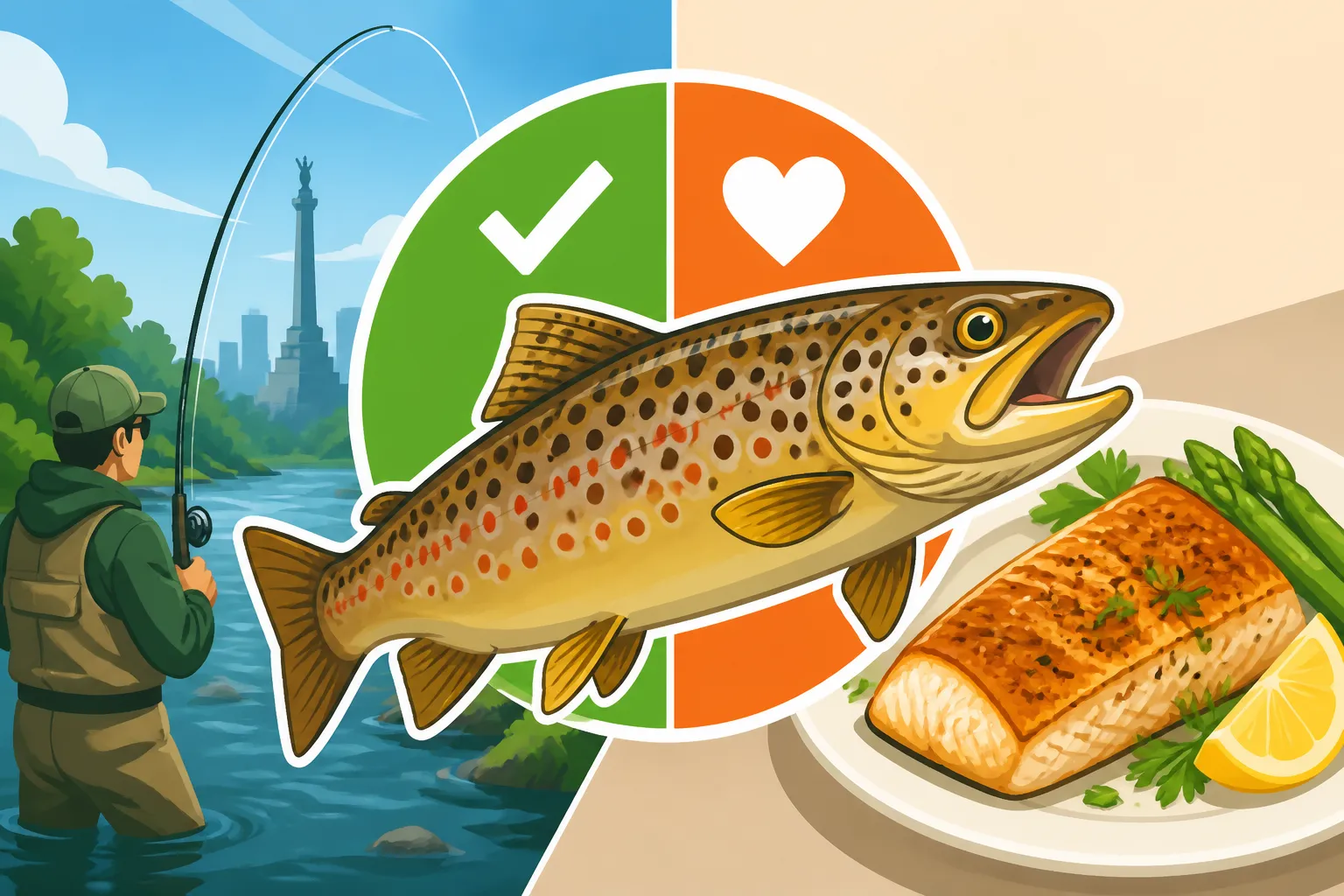
One of the most common questions I get from anglers, especially those new to pursuing trout, is about how their catch will taste. You've just spent a day out on the water, maybe battling the waves of Lake Michigan or carefully navigating a tributary, and you've landed a beautiful brown trout. The excitement is palpable, but then the thought crosses your mind: "Is this fish actually good for dinner?" Let me tell you, brown trout is absolutely a fantastic fish for the table, often prized for its rich, delicate flavor, and this guide is here to walk you through everything you need to know about preparing and enjoying your catch.
The Flavor Profile of Brown Trout: A Culinary Delight
When we talk about brown trout, we're talking about a fish that holds its own among the most desirable freshwater species for eating. Many anglers consider it a real treat, offering a distinct flavor and texture that sets it apart. It’s not just "fishy" – it has a nuanced profile that makes it versatile in the kitchen.
What to Expect from Brown Trout Flesh: Texture and Color
The flesh of a brown trout is generally flaky, moist, and tender when cooked properly. You'll often find its color ranging from a beautiful pinkish-orange, especially in wilder fish that have a diverse diet, to a lighter, almost off-white hue in others. This coloration often depends heavily on what the fish has been eating. For instance, brown trout that feast on crustaceans and insects with carotenoids will exhibit a richer, more vibrant color. Regardless of the exact shade, the texture is consistently delicate, making it a joy to eat. It separates easily with a fork, signaling a perfectly cooked fillet.
Comparing Brown Trout to Other Popular Indiana Fish
It's helpful to put brown trout's flavor into context by comparing it to other fish you might encounter in Indiana waters. While taste is subjective, here's a general breakdown:
- Rainbow Trout: Brown trout tend to have a slightly richer, sometimes earthier, and more pronounced flavor than rainbow trout. Rainbows are often milder and have a finer flake. If you enjoy rainbow trout, you'll likely appreciate brown trout's slightly bolder character.
- Steelhead: Often, steelhead (which are migratory rainbow trout) from Lake Michigan can have a very similar flavor and texture profile to brown trout, especially if they've been feeding similarly. The flesh of both can be beautifully orange or pink. You might find some helpful insights in our article, Is Steelhead Good to Eat?.
- Salmon (Chinook, Coho): While also from Lake Michigan, salmon generally possess a much fattier, oilier flesh and a stronger, more robust "fish" flavor compared to brown trout. Brown trout is still rich, but it's typically less intense and less oily than a mature Chinook or Coho.
- Largemouth Bass: Bass, a very popular catch in Indiana, has a much firmer, whiter flesh with a milder flavor. The texture is less flaky and more meaty. Brown trout offers a completely different culinary experience – more delicate, richer, and with a distinct "trout" flavor.
- Crappie and Bluegill (Panfish): These panfish are known for their very mild, white, and delicate flesh. They are fantastic eating, but brown trout offers a richer, more substantial flavor that stands up to bolder seasonings better than the subtle taste of panfish.
Here's a quick comparison table to give you an idea:
| Fish Species | Typical Flesh Color | Texture | Flavor Profile | Common Indiana Habitat |
|---|---|---|---|---|
| Brown Trout | Pinkish-orange to off-white | Flaky, moist, tender | Rich, delicate, slightly earthy | Lake Michigan, tributaries |
| Steelhead (Rainbow Trout) | Pinkish-orange to light pink | Flaky, moist, tender | Mild to rich, clean | Lake Michigan, tributaries |
| Chinook Salmon | Deep orange-red | Firm, oily, flaky | Rich, strong, distinct salmon | Lake Michigan |
| Largemouth Bass | White | Firm, meaty | Mild, clean, slightly sweet | Lakes, ponds, rivers |
| Crappie | White | Very delicate, flaky | Very mild, sweet | Lakes, ponds, slow rivers |
Factors Influencing Brown Trout Taste
The taste of any fish isn't a static thing; it's a dynamic reflection of its life. For brown trout, several key factors play a significant role in how delicious it will be on your plate. Understanding these can help you better appreciate your catch and even inform your fishing choices.
Diet and Environment: How Water Quality Shapes Flavor
One of the most critical elements affecting a brown trout's flavor is its diet and the quality of the water it inhabits. Wild brown trout, particularly those living in cold, pristine waters like parts of Lake Michigan and its feeder streams, tend to have a superior flavor. Their diet often consists of a varied mix of insects, small fish, and crustaceans, which imparts a clean, nuanced, and often richer taste to their flesh. This is why a brown trout caught near the Indiana shoreline of Lake Michigan might taste different from one caught in a smaller, warmer inland pond (though brown trout are less common in such ponds). Fish from colder, cleaner water generally have firmer flesh and a less "muddy" taste. The environment really is everything when it comes to fish flavor, so always be mindful of where you're casting your line. You'll find specific rules and conditions for fishing in this unique area in our guide, Lake Michigan Fishing Rules for Indiana Anglers.
Size Matters: When Bigger Isn't Always Better
While catching a monster brown trout is certainly an achievement, when it comes to table fare, bigger isn't always better. Smaller to medium-sized brown trout, typically those in the 12-to-20-inch range, often offer the most delicate flavor and best texture. These fish haven't had as much time to accumulate strong flavors, and their flesh tends to be wonderfully tender. Larger, older brown trout can sometimes develop a stronger, more pronounced "fishy" taste, and their flesh might be a bit tougher or fattier. Of course, a well-prepared large trout can still be delicious, but for pure eating quality, many prefer the younger specimens.
Proper Handling and Cleaning for Optimal Taste
This is arguably the most important factor you control directly as an angler. Even the freshest, healthiest brown trout can taste subpar if not handled correctly after being caught. The clock starts ticking the moment that fish comes out of the water.
- Bleed the Fish Immediately: This is crucial. When a fish is bled, it removes blood from the flesh, which can otherwise spoil quickly and impart an off-flavor. A quick, clean cut behind the gills is usually sufficient.
- Keep it Cold: Get your fish on ice as quickly as possible. A cooler full of ice is your best friend on any fishing trip. The colder you keep the fish, the slower bacterial growth will be, preserving the quality of the meat. Don't just throw it in a bucket of water; ice is essential. If you're planning a trip, consider reviewing Best Coolers for Keeping Fish Fresh on a Boat to make sure you have the right gear.
- Clean Promptly: Once you're off the water, clean your fish without delay. Remove the guts entirely and rinse the cavity thoroughly with cold water. Pat the fish dry before refrigerating or freezing. Having a sharp, dedicated fillet knife makes this job much easier and cleaner; if you're in the market, you can find a great selection of high-quality tools on Amazon, often with excellent reviews for durability and sharpness, like those mentioned in Best Fillet Knives for Cleaning Your Catch.
By following these simple steps, you ensure that the brown trout you bring home will be at its peak flavor and freshness, ready to become a memorable meal.
Preparing and Cooking Your Brown Trout
Now that you've got your beautifully handled brown trout, the real fun begins: cooking it! Brown trout is incredibly versatile and lends itself well to a variety of cooking methods, each bringing out its delightful flavor in a slightly different way.
Simple & Delicious Cooking Methods
You don't need to be a gourmet chef to make brown trout taste amazing. Simple preparations often highlight its natural flavors best.
- Pan-Frying: This is a classic for a reason. Lightly flour or cornmeal-dredge your trout (whole or filleted), season with salt and pepper, and fry it in a hot skillet with butter or olive oil until golden brown and flaky. A cast iron skillet works wonders here, providing even heat and a fantastic sear – you can find excellent options for durable cast iron cookware on Amazon that will last a lifetime. The skin, if left on and crisped, adds a wonderful texture. It's a quick method, perfect for a fresh catch after a day on the lake.
- Baking/Roasting: For a hands-off approach, baking or roasting is fantastic. Place whole trout or fillets on a baking sheet, drizzle with olive oil, sprinkle with herbs like dill or parsley, and perhaps a slice of lemon. Bake at around 375-400°F (190-200°C) until the flesh is opaque and flakes easily. This method keeps the fish incredibly moist and allows the delicate flavors to shine without much interference.
- Grilling: If you love that smoky outdoor flavor, grilling is an excellent choice, especially for larger trout. Make sure your grill grates are clean and well-oiled to prevent sticking. You can grill whole fish in a fish basket or wrap fillets in foil with some veggies and seasonings. The char from the grill adds another layer of complexity to the trout's natural richness. Remember to check out our suggestions on What to Bring for Indiana's Fall Salmon Run, as some of those outdoor cooking essentials might overlap!
Seasoning and Accompaniments
Brown trout has enough flavor on its own that it doesn't need heavy seasonings to taste good. Often, less is more.
- Classic Combinations: Fresh lemon juice, a sprinkle of fresh dill or parsley, salt, and black pepper are often all you need. These bright, fresh flavors complement the trout without overpowering it.
- A Bit More Zing: For a little more kick, consider a touch of garlic powder, paprika, or a dash of cayenne pepper. Some anglers enjoy a light dusting of a cajun or lemon-pepper seasoning.
- Side Dishes: Brown trout pairs beautifully with simple sides. Think roasted asparagus, steamed green beans, wild rice, or a light potato salad. A crisp white wine also makes a wonderful accompaniment, elevating the meal to something truly special. For those who enjoy bank fishing and might be cooking streamside, having a well-packed tackle box that includes a small seasoning kit can make all the difference, and a quality tackle box organizer from Amazon can keep everything neat.
Safety and Storage
Proper storage is key to enjoying your brown trout safely.
- Refrigeration: Freshly cleaned brown trout should be stored in the coldest part of your refrigerator, preferably on ice, and consumed within 1-2 days. Wrap it tightly in plastic wrap or place it in an airtight container to prevent odors from spreading and to maintain freshness.
- Freezing: If you won't be eating your catch within a couple of days, freezing is a great option. For best results, vacuum seal the fish or wrap it tightly in plastic wrap and then in freezer paper, removing as much air as possible. You can also freeze fillets in water (often called glazing) to prevent freezer burn. Properly frozen brown trout can maintain its quality for several months. Always thaw frozen fish slowly in the refrigerator overnight for the best texture and flavor.
Finding Brown Trout in Indiana and Other Considerations
While brown trout aren't as widespread as largemouth bass or bluegill in Indiana, there are prime locations where you can target them, offering a unique angling experience and a chance at some delicious table fare.
Where Indiana Anglers Find Brown Trout
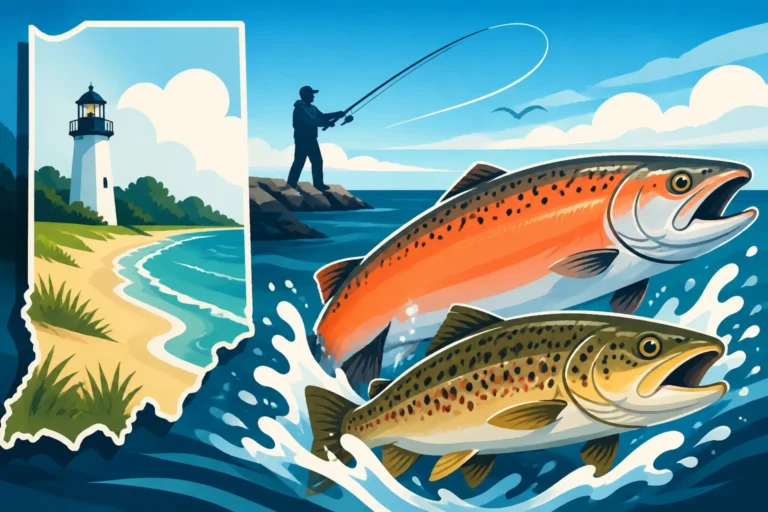
For Indiana anglers, the most significant brown trout fishery is undeniably Lake Michigan and its tributary streams. These cold, deep waters provide the ideal habitat for brown trout to thrive, often growing to impressive sizes. You'll find anglers targeting them from boats, particularly during certain seasons, and from piers or the shoreline. The tributary streams, especially during the fall and spring spawning runs, can also be excellent spots for Brown Trout Fishing on Indiana's Lake Michigan Shoreline. It’s a different kind of fishing than you'll find in the smaller inland lakes and rivers, often requiring specialized gear and techniques, but the reward of a Lake Michigan brown trout is certainly worth it.
Catch and Release vs. Keeping Your Catch
Fishing isn't just about what you catch; it's also about conservation. Many anglers practice catch-and-release, especially for larger, older fish that are important for breeding stocks. However, if you plan to keep your brown trout for dinner, it's absolutely vital to know and abide by the current Indiana fishing regulations. These rules cover everything from minimum length limits to daily bag limits, ensuring that the fishery remains healthy for future generations. Before you head out, make sure you're up to date on all the specific rules in the area you plan to fish. Our comprehensive Indiana Fishing Regulations and Bag Limits Guide is an excellent resource, and it’s always wise to Check Lake Michigan Fishing Rules Before You Cast. Responsible angling means enjoying the sport while protecting the resource.
A Note on the Trout and Salmon Stamp
If you're planning to fish for or keep brown trout (or any trout or salmon) in Indiana waters, you'll need more than just a standard fishing license. A valid Indiana fishing license is your entry ticket to most fishing opportunities, but the state requires a special Trout and Salmon Stamp for those specifically targeting or possessing these species. This stamp helps fund important conservation and stocking programs that maintain these valuable fisheries. Without it, you could face penalties. It's a small additional cost that contributes directly to the health of the very fish you're hoping to catch. Make sure to check the specific requirements, which you can find detailed in Indiana Trout and Salmon Stamp Requirements, before you embark on your trout adventure. You can usually purchase this stamp along with your regular Indiana Fishing License Requirements Explained.
Enjoying brown trout on your dinner table is a truly rewarding experience for any angler. From the fight on the line to the delicious meal, it's a journey worth taking. Tight lines, and happy cooking!
Disclaimer
This article is for general informational purposes only and does not constitute professional advice. Laws, prices and regulations vary by location and change over time. Consult a qualified professional for guidance on your specific situation.