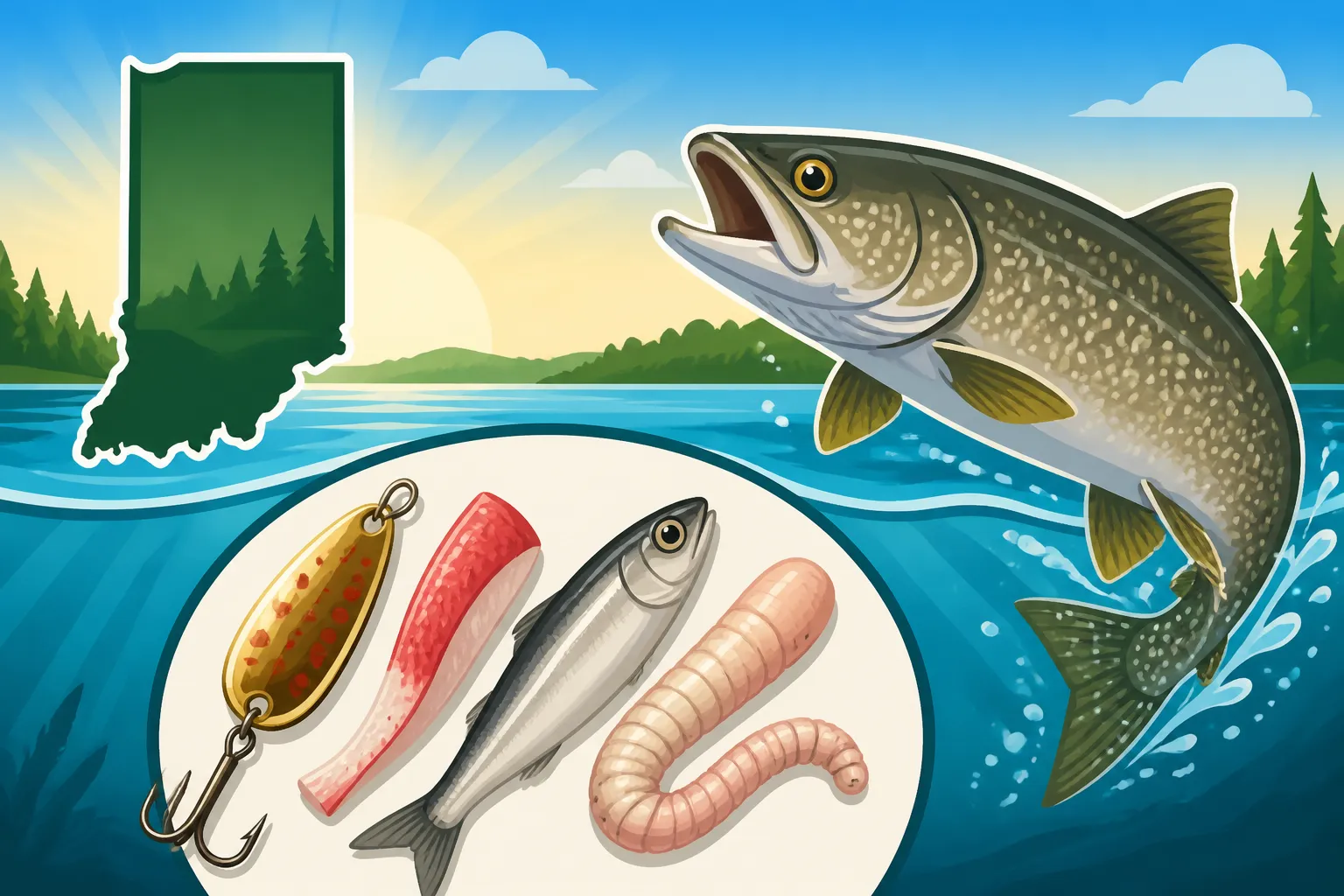
Best Bait for Lake Trout Fishing in Indiana Waters
Trying to figure out the absolute best bait for lake trout fishing in Indiana's vast waters can feel like a real puzzle. You're out there on Lake Michigan, surrounded by endless blue, and you want to make sure you're using something that actually works to bring in those powerful, deep-dwelling fish. This guide is here to cut through the guesswork, helping you understand what lake trout are looking for and equipping you with the top bait choices that consistently lead to success in Indiana's unique fishery.
Understanding Lake Trout in Indiana's Waters
When we talk about lake trout in Indiana, we're really talking about one place: Lake Michigan. It's the only spot in the state where these incredible, cold-water giants thrive, and it presents a distinct set of challenges and opportunities for anglers. You can't just throw out any old bait and expect results; you need to understand the fish, their habitat, and what truly triggers a strike in these deep, clear waters.
Where to Find Lake Trout in Indiana
Lake trout are cold-water creatures, and that means they spend most of their time in the deeper, cooler parts of Lake Michigan. During the warmer months, you'll typically find them in depths ranging from 50 to 150 feet, sometimes even deeper. They often congregate around underwater structure like ledges, drop-offs, and humps, which provide both ambush points and access to their preferred forage. Anglers often focus their efforts off ports like Michigan City, Portage, and East Chicago, venturing miles offshore to hit productive zones. Lake Michigan Fishing Rules for Indiana Anglers are important to review before you head out, as these big waters have their own set of guidelines.
As the water temperatures begin to cool in the fall, lake trout might move shallower, sometimes even to depths of 20-40 feet, especially near rocky areas or tributary mouths. This seasonal shift can change your approach dramatically, as fish become more accessible to different presentation methods. However, for most of the prime fishing season, thinking "deep and cold" is your best bet for locating these formidable fish. Knowing their haunts is the first step; the next is offering them something they can't resist.
Seasonal Movements and Feeding Habits
Lake trout in Lake Michigan are primarily piscivores, meaning they feed on other fish. Their diet heavily consists of alewives, bloater chubs, and smelt, all small, oily baitfish that are abundant in the lake. Understanding this natural diet is crucial because your best baits will mimic these forage species in terms of appearance, action, and sometimes even scent.
Their feeding habits are also influenced by light levels and water temperature. They are active predators, often cruising the depths in search of schools of baitfish. They can be opportunistic, striking at anything that looks like an easy meal, but they also have periods of intense feeding versus more passive foraging. Early mornings and late evenings often see increased activity, even in the deep, as light penetration changes. During the winter months, if ice conditions allow for fishing, lake trout can still be caught, but their metabolism slows, and they might be less aggressive. This understanding of their natural tendencies helps you select not just the right bait, but also the right time and place to deploy it.
Live Baits for Lake Trout Success
While artificial lures dominate the conversation for Lake Michigan lake trout, there's no denying the appeal of a natural, live offering. Live bait can be incredibly effective, especially when fish are finicky or when you're targeting truly large, cautious specimens. The natural scent and erratic movement of live bait can trigger strikes when nothing else will, making it a powerful tool in your lake trout arsenal.
Alewives and Smelt: Mimicking Natural Prey
Alewives and smelt are the bread and butter of the lake trout's diet in Lake Michigan. If you can get your hands on live alewives or smelt, you've got a fantastic option. These small, silvery fish are exactly what lake trout are accustomed to eating, and their natural frantic movements in the water are almost irresistible. The challenge is often in sourcing and keeping them alive. Many dedicated Lake Michigan anglers will net their own baitfish or purchase them from specialized bait shops that cater to big lake fishing.
When presenting live alewives or smelt, you'll typically use a basic rig involving a small, sharp hook (size 1/0 to 3/0, depending on bait size) through the back or lips of the baitfish. This allows the bait to swim naturally. You'll then get it down to the desired depth using a weight or by slow trolling with downriggers or planer boards. The key is to keep the bait lively and present it near known lake trout haunts. The natural oils and distress signals from a live baitfish can travel surprisingly far in the water, drawing in curious predators from a distance.
Chubs and Suckers: Larger Meals for Larger Fish
For those targeting truly trophy-sized lake trout, larger live baits like chubs or smaller suckers can be incredibly effective. While not as common in the lake trout's everyday diet as alewives, a big lake trout isn't going to pass up a substantial, easy meal. These baits are more robust and can withstand more active presentations or longer periods in the water. They're also much hardier, making them easier to transport and keep alive compared to delicate smelt or alewives.
To fish with chubs or suckers, you'll typically use a slightly heavier rig with a larger hook (3/0 to 5/0). These baits can be drifted, slowly trolled, or fished vertically. Some anglers prefer to fish them just off the bottom, where big lake trout often lurk. The slower, more deliberate movement of a larger baitfish can sometimes entice a less aggressive, but still hungry, lunker. Remember that Lake Trout Fishing on Indiana's Lake Michigan Waters is all about patience and persistence, and a well-presented live chub or sucker can often be the reward for that dedication.
Artificial Lures That Entice Lake Trout
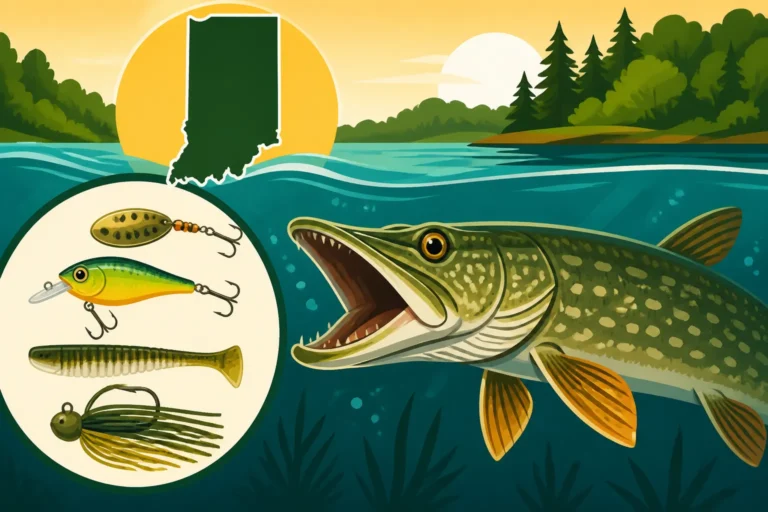
Artificial lures are, by far, the most popular and versatile choice for targeting lake trout in Indiana's Lake Michigan. They allow for precise depth control, varied presentations, and the ability to cover vast amounts of water, which is essential on such a large body of water. The market is flooded with options, but certain lure types consistently prove their worth. Many of these effective lures can be found readily available on platforms like Amazon, making it easy to stock up for your next trip.
Spoons: The Classics That Still Produce
If there's one lure type synonymous with Lake Michigan trolling, it's the spoon. These thin, curved metal lures flutter and dart through the water, mimicking wounded baitfish. They come in an incredible array of sizes, shapes, and colors, allowing anglers to match the hatch or experiment with attention-grabbing patterns. Longer, wider spoons tend to have a slower, wider wobble, while shorter, narrower spoons have a tighter, faster action. Favorites often include brands like Michigan Stinger, Dreamweaver, and Silver Streak.
Spoons are typically fished behind downriggers or dipsey divers to get them down to the lake trout's preferred depths. The trolling speed is critical; too fast, and the spoon can spin unnaturally; too slow, and it loses its action. Experimentation is key, but generally, speeds between 2.0 to 3.5 mph are a good starting point. Color choice often depends on water clarity and light conditions: bright, reflective colors on cloudy days or in deep water, and more natural, subtle patterns on clear, sunny days. Don't be afraid to try some classic silver or brass spoons, they often prove to be unbeatable.
Plugs and Stickbaits: Emulating Forage Fish
Plugs and stickbaits, particularly those designed for trolling, are another highly effective choice for lake trout. These lures are hard-bodied and designed to imitate the swimming action of baitfish with incredible realism. They often have internal rattles and realistic finishes that can fool even the most wary lake trout. Brands like Rapala, Reef Runner, and Bomber Long A are popular choices among Lake Michigan anglers.
These lures are excellent for imitating alewives and smelt when trolled. Their diving lips help them get to depth, and when combined with downriggers, lead core line, or copper line, they can reach the deep zones where lake trout reside. Varying the size of your plug can be important; if lake trout are keying in on smaller bait, a smaller plug will outperform a larger one, and vice versa. Keep a variety of sizes and colors on hand, and don't hesitate to cycle through them until you find what the fish prefer on any given day. Many anglers swear by metallic finishes with dark backs, or bright chartreuse and orange for contrast.
Jigs and Soft Plastics: Deep Water Finesse
While trolling covers a lot of water, sometimes you need a more vertical presentation, especially when you've marked fish on your Best Fish Finders for Deep Water on Lake Michigan or are fishing specific structures. This is where jigs and soft plastics shine. Heavy jigs, often weighing 1 to 4 ounces or even more, are dropped directly down to the fish. They can be vertical jigged with sharp snaps and pauses, or simply bounced off the bottom.
Soft plastics, often resembling tube baits, grubs, or minnows, are frequently rigged on these heavy jig heads. The soft, flexible material provides a very natural look and feel in the water. Colors like white, chartreuse, pearl, and glow-in-the-dark are common. The key to jigging is imparting action that mimics a struggling baitfish. It's a more hands-on approach than trolling, requiring sensitivity to feel the subtle taps of a lake trout. Many anglers find these lures to be incredibly effective when lake trout are concentrated in a particular area, or when they're less willing to chase a trolled bait. You can find a huge selection of jig heads and soft plastics on Amazon to build out your tackle box for deep water jigging.
Tips for Presenting Your Lake Trout Baits
Choosing the right bait is only half the battle; knowing how to present it effectively is just as crucial. Lake trout can be particular, and subtle differences in your technique can make all the difference between an empty cooler and a successful trip. The vastness of Lake Michigan demands a strategic approach, blending technology with traditional angling wisdom.
Trolling Strategies for Lake Trout
Trolling is undeniably the most common and effective method for covering water and finding active lake trout in Lake Michigan. It involves dragging multiple lines behind a moving boat, using various devices to get baits down to precise depths. Trolling Gear Setup for Indiana's Lake Michigan Salmon often overlaps heavily with lake trout tactics, as many of the same techniques apply. Key components include:
- Downriggers: These allow you to send lures down to a specific, controlled depth and release them when a fish strikes. They are invaluable for targeting the deep, cold water where lake trout reside. Downrigger Basics for Indiana Lake Michigan Anglers are essential knowledge for serious big-lake fishermen.
- Dipsey Divers & Planer Boards: Dipseys dive and pull lures away from the boat, while planer boards spread lines out to the sides, helping to avoid tangles and cover a wider swath of water. This is particularly useful when running multiple lines.
- Lead Core and Copper Line: These specialized lines are heavy and sink without external weights, providing a way to get lures deep while still maintaining a direct connection to the fish. They require a bit of practice but can be very effective.
Varying your trolling speed, direction, and even making subtle S-turns can often trigger strikes. These changes in motion cause your lures to speed up, slow down, or flutter differently, mimicking erratic baitfish behavior that predatory lake trout find hard to resist. Pay close attention to your fish finder; if you mark fish, adjust your depth and presentation to put baits right in front of them.
Jigging and Vertical Presentation
When trolling isn't producing, or if you've marked a dense school of fish, vertical jigging can be a game-changer. This technique involves dropping a heavy jig or spoon directly down to the fish and imparting a twitching or sweeping motion. It's a more active style of fishing that requires constant attention to your rod tip and line.
The key to successful jigging for lake trout is to experiment with your retrieve. Some days they want aggressive, long lifts and drops, while other days a subtle quivering motion is more appealing. Always try to make contact with the bottom periodically, as this can stir up sediment and attract curious fish. Pay close attention to your electronics, as they'll tell you if fish are reacting to your presentation. If you're not getting bites, try changing the color of your jig, its size, or the speed of your jigging motion. Sometimes, just letting the bait sit still for a few seconds after a jig can prompt a hesitant fish to strike.
Color and Size Considerations
Just like with any fishing, color and size matter immensely when targeting lake trout. While there's no single "magic" color, certain patterns tend to perform better under specific conditions.
- Clear Water/Sunny Days: Natural colors like silver, blue, green, and black often work well, mimicking the natural forage. Transparent or iridescent finishes can also be very effective.
- Cloudy Water/Low Light: Brighter colors such as chartreuse, orange, pink, and glow-in-the-dark options stand out better and can get a lake trout's attention. Flashy metallic finishes are also a good bet.
- Size: Match the hatch! If lake trout are feeding on small alewives, go with smaller spoons or plugs. If they're targeting larger chubs, a bigger presentation might be more effective. Often, a good starting point is a 4-5 inch spoon or plug, but always be prepared to size up or down based on what the fish are feeding on.
It's always a good idea to have a variety of colors and sizes in your tackle box, maybe even a few specialty items you picked up on Amazon. The lake trout's preferences can change day-to-day, or even hour-to-hour, so being adaptable is critical.
| Bait Type | Key Characteristics | Best Use Cases | Pros | Cons |
|---|---|---|---|---|
| Live Alewives/Smelt | Natural scent, erratic movement, oily | Finicky fish, slow bite, mimicking natural forage | Unbeatable natural appeal, often triggers tough bites | Hard to source and keep alive, more delicate to fish |
| Live Chubs/Suckers | Larger profile, robust, slower movement | Targeting trophy lake trout, less active fish | Appeals to larger fish, hardy bait, strong scent | Slower presentation, may deter smaller fish |
| Trolling Spoons | Metal, varied flutter/wobble, reflective | Covering vast water, various depths, imitating baitfish | Highly versatile, wide range of colors/sizes, durable | Requires specific trolling gear, speed-sensitive action |
| Trolling Plugs/Stickbaits | Hard-bodied, realistic swim action, diving lip | Mimicking larger baitfish, specific depths | Realistic presentation, good for aggressive strikes | Can be expensive, may snag in shallow areas |
| Jigs & Soft Plastics | Heavy weight, vertical drop, subtle movement | Marked fish, specific structure, deep water finesse | Precise targeting, can trigger reaction strikes | Requires active technique, less water coverage |
When you're out on the big water of Lake Michigan, remember that lake trout are strong, determined fish. Having a variety of baits and being willing to experiment with both your presentation and color choices will give you the best chance for success. Always keep an eye on your sonar for How Water Temperature Triggers the Fall Salmon Push Toward Shore and for signs of baitfish, as that will often tell you exactly where the lake trout are lurking.
Disclaimer
This article is for general informational purposes only and does not constitute professional advice. Laws, prices and regulations vary by location and change over time. Consult a qualified professional for guidance on your specific situation.