How to Jug Fish for Catfish
There’s something uniquely thrilling about the hunt for a big Indiana catfish. While many of us grew up with a rod and reel in hand, patiently waiting for that tell-tale tug, there's another, often more productive, method that taps into the wandering nature of these whiskered giants: jug fishing. If you've ever felt limited by keeping your bait in one spot or wanted to cover more water in pursuit of those elusive flatheads or channel cats, jug fishing might just be your new favorite technique. This comprehensive guide is going to walk you through everything you need to know about how to jug fish for catfish, from understanding the regulations and setting up your gear to deploying your jugs effectively across Indiana's diverse waterways.
Understanding Jug Fishing for Catfish in Indiana
Jug fishing is a passive, yet incredibly effective, method for catching catfish. Instead of holding a rod, you're essentially deploying multiple baited lines attached to floating devices – the "jugs" – that drift with the current or wind, presenting your bait to a wide area. It’s a technique that allows you to cover far more water than traditional bank or anchored boat fishing, making it particularly potent for finding active catfish that are on the move. Many anglers who feel frustrated by slow days staring at a bobber find immense satisfaction in the constant anticipation of seeing one of their jugs start to dance across the water.
The Appeal of Jug Fishing
One of the biggest draws of jug fishing is its simplicity and efficiency. Imagine being able to have a dozen or more baits strategically spread out across a large lake or river, all working for you simultaneously. This hands-off approach drastically increases your chances of encountering a hungry catfish, especially in sprawling bodies of water like Monroe Lake or Patoka Lake. It's a method that truly leverages the catfish's natural foraging habits; they’re often cruising along bottom structure, following scent trails, and covering ground. A drifting jug, with its tantalizing bait, is perfectly positioned to intercept these hungry travelers. For those long summer evenings when you want to relax with friends or family by the campfire, but still want to be actively fishing, jug lines allow you to do both. You're not tethered to a single spot, but rather engaging in a dynamic pursuit where the fish literally come to you.
The excitement is palpable when you spot a jug suddenly taking off across the surface, pulling against an unseen force below. It's a completely different kind of fight than a rod and reel, often involving a chase in your boat to retrieve the jug and whatever powerful catfish is on the other end. This unique experience is what keeps many Indiana anglers coming back to jug fishing season after season. It’s also incredibly democratic; you don’t need a fancy bass boat or expensive electronics. With a few repurposed containers and some basic tackle, anyone can get started.
Indiana Regulations for Jug Fishing
Before you even think about building your first jug, it’s absolutely critical to understand the specific rules and regulations governing jug fishing in Indiana. The Indiana Department of Natural Resources (DNR) has clear guidelines in place to ensure fair chase, prevent litter, and protect the fishery. If you’re caught breaking these rules, even unknowingly, the penalties can range from hefty fines to the confiscation of your gear. It's not worth the risk, so let's get into the specifics. You can find a more comprehensive overview in the Indiana Fishing Regulations and Bag Limits Guide, but here are the highlights for jug fishing.
First and foremost, a valid Indiana fishing license is required for anyone 18 years of age or older. While this might seem obvious, it’s often overlooked by those thinking of a casual outing. For a detailed breakdown, check out Indiana Fishing License Requirements Explained. Indiana residents under 18 can fish without a license, but all other regulations still apply to them if they're jug fishing.
When it comes to the jugs themselves, there's a strict limit on the number you can use. Each angler is allowed a maximum of 10 jugs. These jugs must be clearly marked with the angler's name, address, and fishing license number. This identification is crucial for enforcement and helps prevent abandoned gear. Each jug can only have one line and one hook attached. No multiple hooks per line, and no lines without a float.
Perhaps one of the most important regulations, and one that often catches new jug fishermen off guard, is the time restriction. Jugs can only be in the water from sunset to sunrise. This means you deploy your jugs in the evening, after the sun goes down, and you must remove them from the water by the time the sun rises the next morning. This "night fishing" window is often when catfish are most active, so it works out well, but it requires careful planning. You cannot leave jugs unattended during daylight hours.
Violation of these rules, such as exceeding the jug limit or leaving them out during the day, can result in significant fines. It's treated seriously because abandoned jugs can become hazards for boaters and wildlife, and unchecked fishing gear can lead to overharvesting. Always double-check the latest regulations on the Indiana DNR website before heading out, as rules can sometimes change.
Essential Gear for Your Jug Fishing Setup
Embarking on a jug fishing adventure requires some specific gear, but thankfully, most of it is quite affordable and easily acquired. You don’t need to break the bank to get started, which is part of the appeal! The main components are the jugs themselves, the line, the hooks, and of course, the right bait. Investing in quality components, especially for your line and hooks, will save you frustration and lost fish in the long run. Many of these items can be found at local sporting goods stores or conveniently ordered from online retailers like Amazon.
Building Your Jugs: Materials and Construction
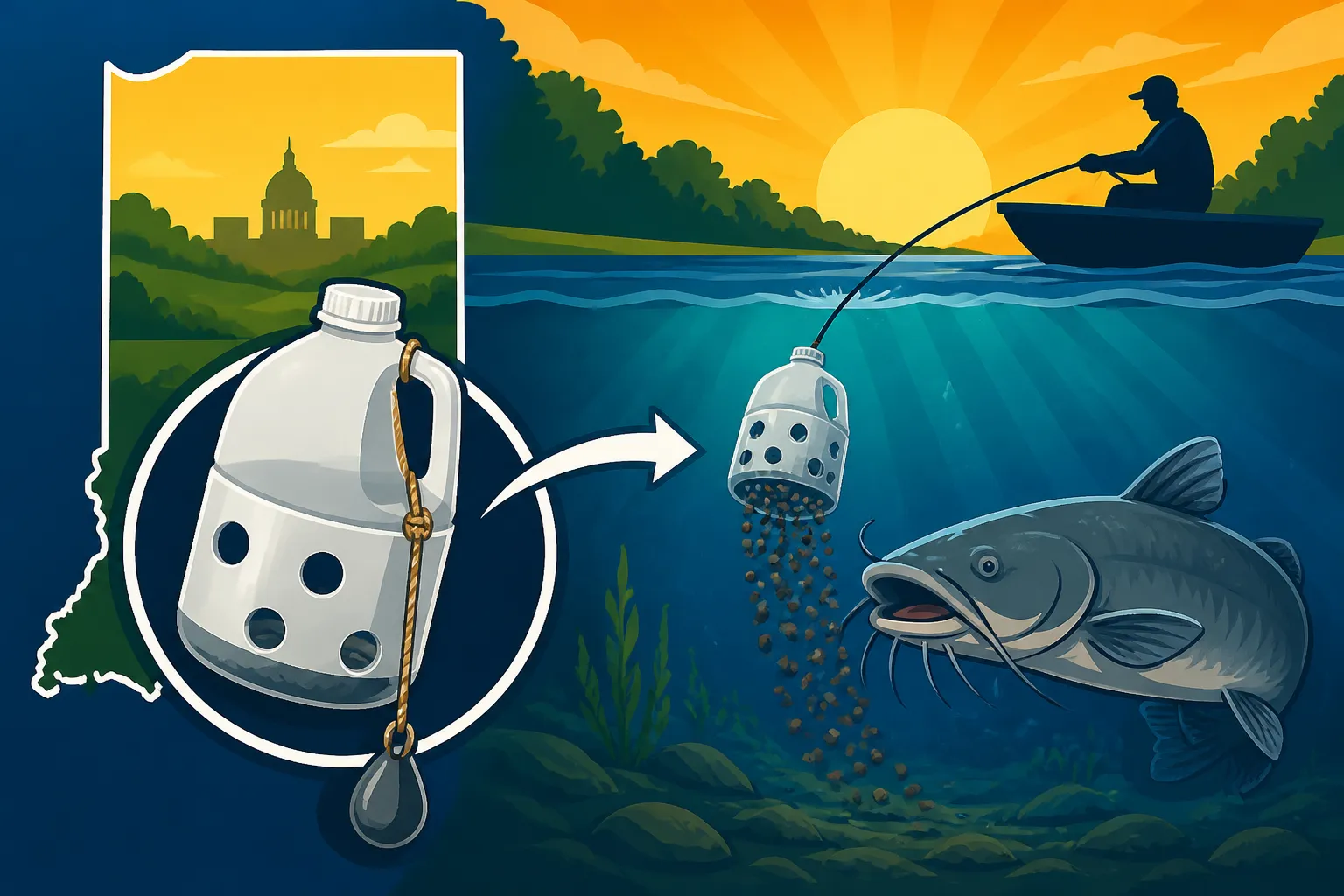
The "jug" itself is essentially a float that suspends your baited line and signifies a bite when it moves or flips. While traditionally people used plastic milk jugs (hence the name!), anglers have gotten creative over the years, opting for more durable and visible options.
-
Float Materials:
- Plastic Milk Jugs (or similar): These are the classic, budget-friendly option. They're lightweight and float well, but can be a bit flimsy, crack, or get waterlogged over time. They're also less visible than other options.
- Pool Noodles: A popular choice for DIY jugs. You can cut sections of pool noodle, insert a PVC pipe or dowel through the middle for stability, and attach your line to that. They're highly visible due to their bright colors and very buoyant.
- PVC Pipe: More durable and customizable. A short section of capped PVC pipe (e.g., 2-4 inches in diameter, 12-18 inches long) makes an excellent, long-lasting jug. You can add eye bolts for line attachment and even paint them bright colors for visibility.
- Pre-made Jugs: Some tackle shops and online retailers like Amazon sell purpose-built jug fishing floats. These are often more durable, brightly colored, and designed for easy line storage.
-
Line: You need strong, abrasion-resistant line. Monofilament, braided, or even trotline cordage can work.
- Monofilament: Affordable and has some stretch, which can act as a shock absorber. Opt for heavy test, like 50-80 lb, to prevent break-offs from big catfish or snags.
- Braided Line: Extremely strong for its diameter and has no stretch, offering excellent sensitivity if you're holding a jug. However, it can be more expensive and less abrasion-resistant than mono if it rubs against sharp objects.
- Nylon Cord/Trotline String: Very durable and stout, often used for commercial trotlines. This is a robust choice for serious jug fishermen. Whatever you choose, make sure it's at least 15-20 feet long to allow for depth adjustments in various waters.
-
Hooks: This is where you don't want to skimp. Catfish have tough mouths and fight hard.
- Circle Hooks: These are highly recommended, especially for jug fishing. When a fish bites, the hook is designed to roll into the corner of its mouth, significantly reducing gut-hooking. This is better for the fish's survival if you plan to release it, and it also means fewer lost fish once hooked properly. Sizes 6/0 to 10/0 are good starting points for larger catfish.
- J-Hooks: Traditional J-hooks also work, but require more precise timing to set the hook. Sizes 7/0 to 9/0 are common. Be aware that J-hooks can lead to more gut-hooked fish if not monitored closely.
- Ensure your hooks are sharp and strong enough to handle a powerful catfish.
-
Weights: A small weight (1-3 ounces, such as an egg sinker or pyramid sinker) helps keep your bait down in the water column and reduces tangles. You want enough weight to keep the bait submerged but not so much that it causes the jug to constantly sit too low in the water.
-
Identification: As mentioned in the regulations, you must clearly mark each jug with your name, address, and fishing license number. Use waterproof markers or engrave tags to ensure this information doesn't wash off.
Construction Tip: Tie your line securely to your chosen float. Some anglers wrap a section of line around the jug and secure it with electrical tape or zip ties to prevent it from slipping. Leave enough slack in the line so you can adjust the depth of your bait easily. A simple swivel and snap can be used to connect your weight and hook rig to the main line, allowing for quick changes.
Choosing the Right Bait
Catfish are opportunistic feeders, but having the right bait can make a huge difference in your jug fishing success. What works best can often depend on the species of catfish you're targeting (channel, blue, or flathead), the time of year, and the specific body of water. Don't be afraid to experiment! Many jug fishermen have a diverse "bait arsenal" because they know that what works one night might be completely ignored the next.
-
Cut Bait: This is a perennial favorite for channel and blue catfish.
- Fresh Shad: If you can catch or buy fresh gizzard shad or threadfin shad, they are catfish magnets. Cut them into chunks or strips; the oil and blood trail they leave in the water are irresistible. You can often find frozen shad at bait shops if fresh isn't available.
- Bluegill or Other Panfish: Small bluegill, crappie, or even suckers, legally caught, can be cut into steaks or strips. These are excellent, readily available baits in many Indiana waters.
- Skipjack Herring: If you're near a river where skipjack are present, these oily fish are arguably one of the best catfish baits around, especially for big blue catfish.
The key with cut bait is to ensure it's fresh. The stronger the natural scent, the better.
-
Live Bait: While cut bait is king for channels and blues, live bait is often preferred for targeting flathead catfish.
- Live Minnows/Shiners: These can work for all species, especially smaller channel cats.
- Live Bluegill/Sunfish: A small, lively bluegill (often 4-6 inches) hooked through the back or lips is the top choice for flatheads. Flatheads are predatory and prefer live, struggling bait. Ensure the live bait you use is legally caught and of legal size if there are length limits.
- Worms: While not typically a "big catfish" bait, a wriggling nightcrawler or a cluster of redworms can certainly attract channel cats and provide a strong scent trail.
-
Stink Baits/Prepared Baits: These engineered baits are designed to mimic decaying natural food sources and release powerful attractants.
- Punch Baits: Brands like Catfish Charlie's or Sonny's Super Sticky are popular. These are dough-like baits that you "punch" onto a treble hook (though for jug fishing with a single hook, you might need to mold it carefully or use a bait holder spring). They release a strong odor.
- Dip Baits: These are gooey, foul-smelling concoctions that require a special "dip worm" or sponge to hold them on the hook. They are incredibly effective for channel catfish.
- Hot Dogs/Chicken Livers: Marinated hot dogs (garlic is a popular addition) or fresh chicken livers are classic, inexpensive baits. They are messy but often effective, especially for channel cats.
When using prepared baits, a quick search on Amazon will show you a wide variety available, with reviews from fellow anglers in Indiana and beyond.
Remember, what works best on the Wabash River might be different than on Lake Michigan (though jug fishing isn't common on Lake Michigan due to its vastness and complex regulations). If you’re fishing for channel cats specifically, you might want to review more options in Best Bait for Channel Catfish in Indiana Rivers. It's always a good idea to try a few different types of bait across your jugs to see what the fish are hitting on that particular night.
Strategies for Successful Jug Fishing in Indiana
Once your jugs are built and baited, it's time to put them into action. Successful jug fishing isn't just about throwing a bunch of lines in the water; it's about strategic deployment, understanding fish behavior, and knowing how to monitor your spread. Whether you're targeting those big flatheads in a river bend or chunky channel cats in a reservoir, having a plan will significantly increase your success rate.
Prime Locations and Depths
Catfish are found throughout Indiana, but knowing where to deploy your jugs within a specific body of water is key. Think about where catfish naturally feed and hide. They are often drawn to structure, current breaks, and areas with abundant baitfish.
-
Rivers (e.g., Wabash River, White River, Tippecanoe River): Rivers are prime territory for jug fishing due to their natural current.
- Current Seams: Look for areas where faster current meets slower water, like behind sandbars, islands, or large obstructions. Catfish will sit in the slack water, waiting for food to be swept by. Deploy your jugs upstream of these areas and let them drift into the seam.
- Deep Holes and Bends: Rivers often have deeper holes on the outside bends. These can be holding areas for large catfish.
- Log Jams and Fallen Trees: Submerged wood provides excellent cover for catfish, especially flatheads. Drifting jugs near these areas can be very effective, but be prepared for snags.
- Confluences: Where two rivers or streams meet, the merging currents can create productive eddies and food concentration points.
When fishing rivers, it’s crucial to understand how your jugs will drift. The current will dictate their path, so deploying them intelligently upstream of where you expect fish to be will allow them to pass through feeding zones. Check out Fishing the Wabash River in Indiana for more specific location insights.
-
Lakes and Reservoirs (e.g., Monroe Lake, Patoka Lake, Brookville Lake): These larger bodies of water also hold excellent catfish populations.
- Creek Channels: Old creek beds that wind through the lake bottom are highways for catfish. Use your fish finder (if you have one) or navigation charts to identify these.
- Humps and Ledges: Underwater humps or sharp drop-offs are classic catfish haunts. Fish will often hold on the top or along the edges of these structures.
- Deep Coves and Flats: Especially at night, catfish will move into shallower coves or flats to feed. However, during the day, they might retreat to deeper water.
- Standing Timber: Submerged trees provide cover and ambush points. Jugs drifted through these areas can be productive but carry a high risk of snagging.
For specific lake fishing spots, resources like Monroe Lake: Indiana's Largest Lake for Bass Fishing often mention catfish populations, and Patoka Lake Fishing Guide for Bass and Crappie also highlights excellent catfish opportunities.
-
Depth Considerations: Catfish are primarily bottom feeders, but they will move up in the water column, especially at night or when baitfish are active.
- Bottom to Mid-Depth: A good starting point is to set your baits within a few feet of the bottom. This means your line length should be roughly equal to the water depth, plus a little extra for drift.
- Thermocline: In deeper lakes during summer, a thermocline (a layer where water temperature changes rapidly) forms. Fish often congregate just above or below this layer, where oxygen levels and food are optimal. Adjust your jug lines to hit this depth.
- Surface (Rarely): While less common, catfish will occasionally feed near the surface, especially if there's a strong baitfish presence. You can experiment with one or two jugs set higher in the water column.
Understanding Water Temperature and Fish Feeding Patterns can significantly influence your depth strategy, as catfish activity levels are directly tied to water temperature.
Deploying and Monitoring Your Jugs
The art of jug fishing truly comes alive in the deployment and monitoring phase. It's a dynamic process that requires a bit of intuition and constant attention.
-
Spreading Them Out: Don't deploy all your jugs in one tight cluster. Scatter them across a promising area, letting them drift with the current or wind. This allows you to cover a wider search pattern. If you notice a particular jug or section of jugs getting bites, you can then focus your efforts in that more productive zone.
-
Wind and Current: These are your best friends and worst enemies. They provide the drift that makes jug fishing effective, but they can also carry your jugs into snags or out of reach.
- Current: In rivers, always deploy jugs upstream and let them drift naturally downstream. Have your boat ready to follow them.
- Wind: On lakes and reservoirs, the wind will push your jugs. Consider the wind direction when deploying. You might deploy upwind of a desired area and let them drift over it. On very windy nights, jugs can drift quickly, requiring constant vigilance.
-
Checking Your Jugs: This is not a "set it and forget it" operation. You need to be actively monitoring your jugs, especially during the sunset to sunrise window.
- Visual Cues: A jug that's suddenly moving erratically, dipping, or completely disappearing is a clear sign of a hooked fish. The excitement of seeing a jug "take off" is what makes jug fishing so addictive!
- Retrieval: When you see a jug with a fish, motor over quickly but carefully. Grab the jug, and hand-over-hand, pull in the line. Be ready for a fight, as catfish can put up a surprisingly strong struggle even on a short line. Have a sturdy net or gaff ready for larger fish.
- Rebaiting: Once you've landed or released a fish, quickly re-bait the hook and redeploy the jug. The scent of a recent catch can often attract other catfish to the same area.
-
Safety Considerations:
- Boating: A boat is essential for jug fishing, especially for deploying and retrieving jugs. Always follow safe boating practices. If you're using a small boat, make sure it's stable. Consider what kind of boat you might need, especially for larger bodies of water, like those described in Best Boats for Fishing Patoka Lake in Indiana.
- Other Anglers/Boaters: Be courteous. Don't deploy your jugs in high-traffic areas or where they might interfere with other anglers using traditional methods. At night, ensure your jugs are visible (though most are collected by sunrise, so active nighttime visibility isn't a primary concern for the jugs themselves as much as for your boat's navigation lights).
- Night Fishing: Since jug fishing is a night activity, bring reliable headlamps or spotlights. Navigating in the dark requires extra caution. Many of the same principles for Night Fishing Techniques for Catfish apply to keeping yourself safe and effective.
Common Challenges and Troubleshooting
Even seasoned jug fishermen encounter issues. It’s part of the game! From lost gear to missed fish, there are always things that can go wrong. But with a little preparation and knowledge, you can mitigate many of these common frustrations and turn them into minor bumps on the road to a successful trip.
Overcoming Obstacles on the Water
The dynamic nature of jug fishing, with lines drifting freely, means you're bound to run into some challenges. Being prepared can make all the difference.
-
Lost Jugs: This is perhaps the most common frustration. A strong current, a snag, or a powerfully running fish can sometimes drag a jug out of sight or into heavy cover where retrieval is nearly impossible.
- Prevention: Use brightly colored jugs that are easy to spot, even in dim light. Attach reflective tape for extra visibility if allowed by regulations and if you're checking them with a spotlight. Make sure your identification is robust.
- Retrieval Efforts: If a jug disappears, try to mark its last known location mentally or with your boat's GPS. Circle the area slowly, looking for any sign of it resurfacing. In rivers, it might have snagged downstream. Sometimes, a strong fish can drag it underwater for an extended period before it pops back up.
- Consider a Grappling Hook: Keeping a small grappling hook (easily found on Amazon) on board with a stout rope can be a lifesaver for retrieving snags or jugs that are just out of arm's reach.
-
Fish Getting Off: You see the jug move, you chase it, but by the time you get there, the fish is gone. This can be infuriating!
- Circle Hooks: As mentioned earlier, using circle hooks is a game-changer for jug fishing. They are designed to hook fish in the corner of the mouth almost automatically when the fish pulls away, reducing the need for a forceful hookset from you. This significantly increases your landing ratio.
- Line Tension: Ensure there's enough slack in your line to allow the jug to move freely but not so much that the fish has too much leverage to throw the hook. The jug itself acts as a sort of spring.
- Quick Retrieval: Don't dilly-dally. The faster you get to a working jug, the less time the fish has to work itself free or rub the line on structure.
-
Dealing with Snags: Submerged logs, rocks, and brush piles are catfish magnets, but also line-snagging nightmares.
- Strategic Placement: Try to avoid deploying jugs directly into dense snags, especially in high current. Aim to drift them along the edges of cover.
- Line Strength: Use heavy-test line (50lb+ monofilament or braided) to give yourself a fighting chance to pull out of a snag, or at least break off without losing too much line.
- Snag Retrieval Tool: Some anglers carry a pole with a hook on the end to try and free snagged lines. Sometimes, backing up your boat and pulling from a different angle can free a snag.
-
Weather Impacts: Wind, rain, and storms can drastically affect your jug fishing experience.
- Wind: High winds make it difficult to control your boat, follow jugs, and can push jugs rapidly into unwanted areas. On very windy nights, it might be best to postpone your trip.
- Rain: Light rain can actually improve fishing, washing scents and food into the water. Heavy rain can make conditions miserable and dangerous. Always prioritize safety.
Responsible Jug Fishing Practices
As anglers, we have a responsibility to be stewards of our natural resources. Responsible jug fishing ensures that the fishery remains healthy for future generations and that we maintain a positive image within the broader outdoor community.
- No Littering: This is non-negotiable. Every jug, every piece of line, every hook that goes into the water must come out. Abandoned jugs are an eyesore, a hazard to wildlife (especially birds and other animals that can get tangled), and a danger to boaters. If a jug is lost and cannot be retrieved, make every effort to come back for it.
- Respect Bag Limits and Length Limits: Always adhere to the established bag limits for catfish species in Indiana. Know the Indiana Walleye Length Limits by Lake or any specific catfish length regulations for the waters you are fishing. Taking more than your legal share is unethical and unsustainable.
- Handle Fish Carefully: When retrieving a jug, handle the fish as gently as possible, especially if you intend to release it. Use wet hands or a wet rag to hold the fish, and try to keep it in the water as much as possible while removing the hook. Quick release with minimal stress is key for survival.
- Respect Other Anglers and Boaters: Jugs take up space. Be mindful of others using the waterways, whether they are traditional anglers, kayakers, or recreational boaters. Avoid deploying jugs in high-traffic areas or directly in front of someone else's fishing spot. Communication and courtesy go a long way.
- Proper Disposal of Bait: Don't dump unused bait, especially live bait from other areas, into the water. This can introduce invasive species or diseases. Dispose of it properly on land.
By following these practices, you not only ensure your own continued enjoyment of jug fishing but also contribute to the health and sustainability of Indiana's fantastic catfish resources. Jug fishing is a rewarding technique that connects you to the raw, wild spirit of the hunt, and with a little preparation and respect for the rules, it can become a highlight of your angling year.
| Jug Type | Pros | Cons | Best Use Case |
|---|---|---|---|
| Plastic Milk Jugs | Inexpensive, readily available, lightweight | Less durable, easily cracked, poor visibility, can get waterlogged | Beginner, occasional use, very still water |
| Pool Noodle | Highly visible, very buoyant, durable, easy to customize | Can be bulky to store, requires some DIY assembly | General purpose, good visibility in low light/waves |
| PVC Pipe | Extremely durable, long-lasting, customizable, good stability | More expensive, requires tools for assembly, heavier | Frequent use, larger fish, rougher water |
| Pre-made Jugs | Designed for purpose, durable, often brightly colored, easy to use | Most expensive upfront cost, limited customization | Serious anglers, convenience, maximum reliability |
Disclaimer
The information provided in this guide is for general informational purposes only. Fishing regulations and conditions in Indiana can change. Always consult the official Indiana Department of Natural Resources (DNR) website and current fishing guide for the most up-to-date rules, regulations, and advisories before heading out on the water. Following all applicable laws is the responsibility of the angler.