Best Fishing Spots Open Year-Round in Indiana
It’s a common misconception, especially here in the Midwest, that fishing is a seasonal hobby you pack away with your summer shorts. Many anglers feel a pang of frustration when the cooler weather rolls in, thinking their days on the water are over until spring. But what if I told you that Indiana offers incredible fishing opportunities all year long? This guide is going to deep-dive into some of the best spots across the Hoosier State where you can keep a line in the water, no matter the season.
Understanding Indiana's Year-Round Fishing Opportunities
When the leaves start to turn and there's a crisp bite in the air, many folks assume it's time to winterize the boat and hang up the waders. But that simply isn't the case! Indiana's diverse waterways, from its massive reservoirs to its flowing rivers and even its slice of the Great Lakes, hold fish that remain active and catchable through every month of the year. You just need to know where to look and, sometimes, adjust your tactics.
Dispelling the Myth of "Off-Season" Fishing
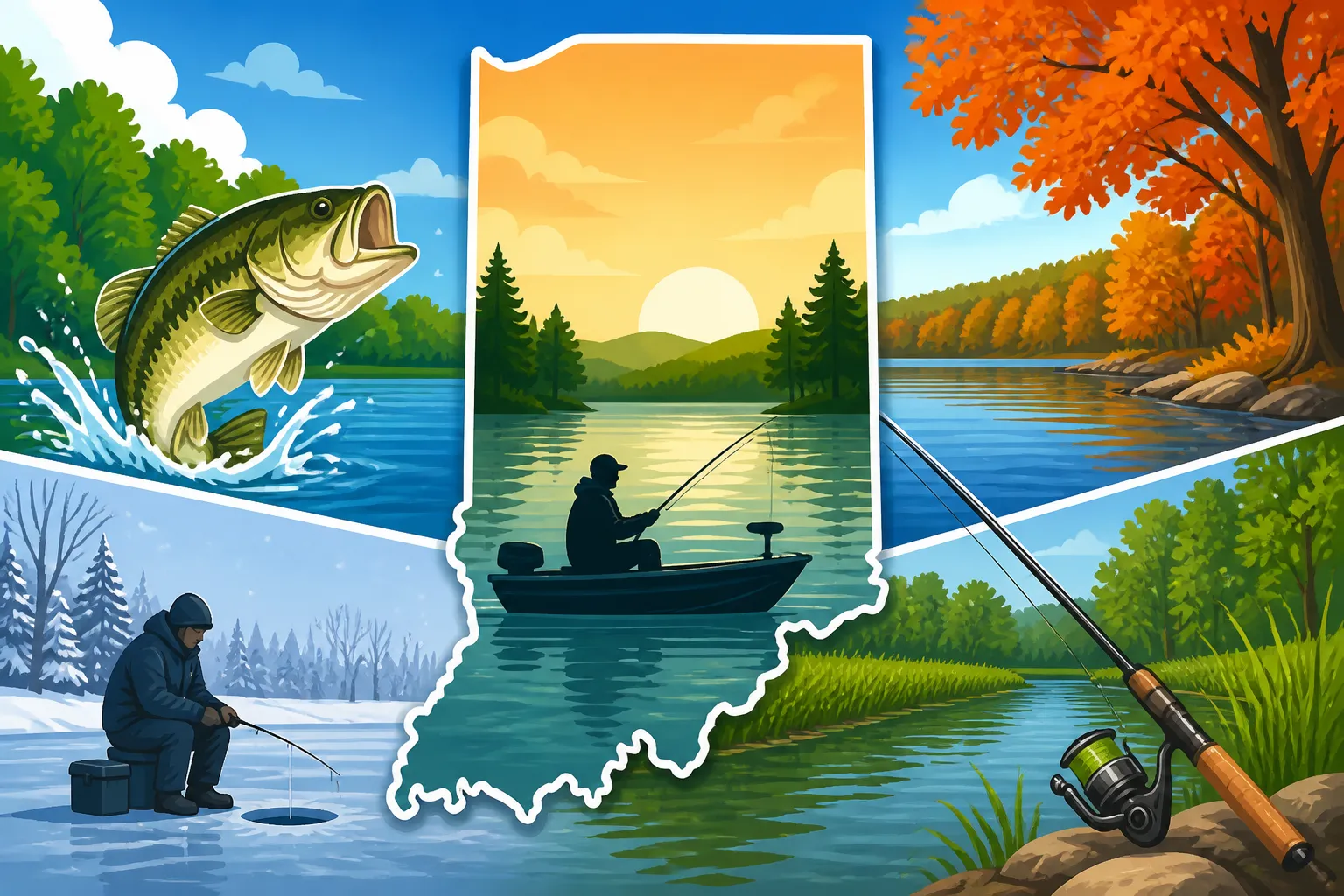
The idea of an "off-season" is really more about angler comfort than fish activity. While some species might become less active in extreme cold or heat, many others thrive in different conditions. Think about it: fish live in water year-round, and they need to eat constantly. This means there's always a window of opportunity. The vibrant autumn colors can make for breathtaking backdrops while casting, and a serene winter morning on a quiet lake can be incredibly rewarding. Even ice fishing, a popular winter pastime, proves that the "off-season" is just another way to engage with the sport.
The key is to embrace the variety. Different fish species peak at different times, and understanding these patterns opens up a whole new world of year-round angling. For example, while largemouth bass might get sluggish in frigid water, walleye and northern pike often become more aggressive. Even panfish, which are summer staples, can be found in predictable winter schooling patterns, especially if you know where the deeper pockets of water are. It's about shifting your mindset from "no fishing" to "different fishing."
Key Factors for Year-Round Success
To successfully fish year-round in Indiana, a few crucial factors come into play. First and foremost, water temperature dictates fish behavior more than anything else. As water cools, fish metabolism slows, and they often seek deeper, more stable temperatures. This means your summer hotspots in shallow weed beds might be barren in winter, and you'll need to focus on structure in deeper water or even current breaks in rivers. Conversely, as waters warm, fish become more active and spread out.
Understanding fish migration and seasonal patterns is also vital. In rivers, fish might move to deeper pools during winter or congregate below dams. On large lakes, they might stack up on ledges or suspended baitfish. Gear selection also adapts. Heavier lines and larger lures might be ideal for muskie in fall, while sensitive rods and lighter lines are crucial for detecting subtle bites from finicky walleye in cold water. And of course, always check the Indiana Fishing Regulations and Bag Limits Guide before heading out, as rules can sometimes vary by water body or species, and you definitely want to avoid any penalties for fishing without a license. Staying informed will make your year-round angling adventures both fun and legal.
Top Lakes and Reservoirs for All Seasons
Indiana is blessed with a fantastic network of lakes and reservoirs that offer incredible fishing opportunities from the first thaw to the deep freeze. These larger bodies of water, with their varying depths and diverse ecosystems, tend to be the most reliable for year-round action.
The Enduring Appeal of Monroe Lake
Indiana's largest inland lake, Monroe Lake: Indiana's Largest Lake for Bass Fishing, near Bloomington, is a true four-season fishery. Its immense size and diverse structure—from submerged timber to rocky points and deep channels—provide ample habitat for fish throughout the year. In spring and summer, the lake is a bass angler's paradise, with largemouth and smallmouth plentiful in various covers. As fall arrives, the cooler water can ignite explosive topwater action, especially for schooling bass chasing shad.
But Monroe truly shines even when the temperatures drop. Its deeper sections rarely freeze completely, offering open water even in the coldest months. Anglers targeting crappie, bluegill, and even walleye can find success by focusing on deep structure, submerged creek channels, and areas around the causeways. Many local guides, often found through services like FishingBooker, specialize in these winter patterns, knowing exactly where fish gather to conserve energy. This makes Monroe Lake a fantastic option for those who refuse to let winter sideline their passion.
Patoka Lake's Diverse Year-Round Fishery
Down in southern Indiana, Patoka Lake Fishing Guide for Bass and Crappie is another colossal reservoir that provides consistent angling action throughout the year. Known for its clear waters and abundant timber, Patoka is a favorite for bass, crappie, and even striped bass. In the warmer months, the coves and standing timber are hotspots for panfish and largemouth. Fall brings spectacular surface action as stripers and bass gorge on baitfish.
What makes Patoka a year-round contender is its deep, stable water. When winter sets in, crappie often school tightly in deep timber or along channel edges, making them prime targets for vertical jigging. The occasional mild winter days can even allow for bass to be caught slowly on jigs or spoons near deep structure. Patoka's robust fish populations and varied underwater topography ensure that there's always a pattern to be cracked, no matter the calendar month. It’s a testament to good fisheries management and the resilience of its fish species.
Brookville Lake: Consistent Action Through the Year
Tucked away in southeastern Indiana, Brookville Lake Fishing Spots and Access Points is another powerhouse fishery that provides dependable action across all four seasons. This beautiful lake is renowned for its walleye, smallmouth bass, and excellent trout fishing, thanks to regular stockings in the tailwater below the dam. In spring, the walleye run upstream into the feeder creeks and rivers, while smallmouth become active on rocky points. Summer sees bass, crappie, and catfish flourishing in the main lake and its tributaries.
When autumn leaves fall, Brookville's smallmouth bass fishing can be truly phenomenal, with fish aggressively feeding before winter. As for winter itself, the lake's deeper sections and the consistent flow of the tailwater below the dam ensure that open-water fishing is often possible. Walleye and trout are frequently caught through the colder months, requiring precise presentation but offering big rewards. The tailwater, in particular, often remains ice-free, providing a unique opportunity for year-round trout fishing that draws anglers from all over the state.
River Systems That Keep Anglers Busy
While lakes offer expansive waters, Indiana's river systems provide dynamic, current-driven environments that remain productive even when stillwaters might be frozen. The constant flow keeps water temperatures more consistent and oxygenated, providing excellent habitat for a variety of fish species year-round.
The Resilient Wabash River
The mighty Fishing the Wabash River in Indiana is a true gem for year-round anglers. Stretching across the entire state, its diverse habitats—from rocky riffles to deep pools and slow-moving backwaters—support an incredible array of fish. Smallmouth bass are a primary target in the warmer months, especially in the rocky stretches, while channel catfish and flathead catfish are abundant throughout. The river's flow makes it less susceptible to freezing solid, offering continuous access to fishing.
In fall, the smallmouth fishing can remain strong, and the cooler water often brings catfish into more predictable patterns in deeper holes. Winter on the Wabash might mean slower fishing, but determined anglers can still find success by targeting deep bends and slack water areas where fish seek refuge from the current. Sauger, a close relative of the walleye, also provides excellent cold-water action in the lower stretches of the river. Many local bait shops along the Wabash can provide up-to-date information on winter hot spots, or you can even book a guide on platforms like FishingBooker for an informed trip.
St. Joseph River's Multi-Season Draws
Up in northern Indiana, the Fishing the St. Joseph River in Indiana is a standout year-round destination, particularly for those chasing migratory species from Lake Michigan. While its spring and fall runs of salmon and steelhead are legendary, the river offers more than just seasonal spectacles. Smallmouth bass, northern pike, and a variety of panfish provide consistent action in its diverse sections. The river's constant flow keeps large stretches open, even during significant cold snaps.
During the colder months, the St. Joe continues to be a hotspot for steelhead, with fish lingering in the river system long after the fall run. Anglers often find success drifting spawn bags or small jigs through deeper pools and runs. Even during the peak of summer, the river's varied structure provides cooler water for smallmouth and pike. Its proximity to Lake Michigan also means that understanding the Lake Michigan Fishing Rules for Indiana Anglers is crucial, as some regulations differ from inland waters.
Tippecanoe River's Steady Flow
The Fishing the Tippecanoe River in Indiana is another excellent river choice for anglers looking for year-round opportunities. Known for its clear waters and picturesque scenery, the "Tippy" boasts a healthy population of smallmouth bass, rock bass, and various panfish. The river's consistent flow helps prevent widespread freezing, keeping sections fishable even in winter. Its natural beauty makes any outing a pleasure, regardless of the season.
In the spring and summer, the Tippecanoe is a fantastic float-fishing river, with smallmouth hitting topwater lures and crankbaits. As temperatures drop, these same fish move to deeper pools and current seams, where they can be caught on jigs and live bait. Even in the dead of winter, if the river isn't iced over, anglers can find smallmouth tucked away in sheltered pockets. For those seeking quiet solitude and a steady bite, the Tippecanoe offers a peaceful retreat throughout the entire year.
Unique Year-Round Opportunities: Lake Michigan and Urban Spots
Beyond the major lakes and rivers, Indiana also offers some truly unique year-round fishing experiences, from the vast expanse of Lake Michigan to the convenience of smaller, often overlooked urban ponds.
Lake Michigan's Unpredictable Yet Rewarding Waters
Indiana's small but mighty stretch of Fishing Lake Michigan's Indiana Shoreline offers unparalleled year-round fishing, particularly for cold-water species like salmon and trout. While the summer months are popular for offshore trolling for Chinook and Coho salmon, the colder seasons bring unique shore-based opportunities. The famous fall salmon and steelhead runs extend well into winter, with fish congregating near pierheads and tributary mouths along cities like Portage, Hammond, and Michigan City.
Even in the deepest winter, if ice conditions allow, anglers can target yellow perch through the ice or brave the cold for brown trout and steelhead from open water piers or protected harbors. The dynamic nature of Lake Michigan means that conditions can change rapidly, but its rich fishery consistently rewards dedicated anglers. Checking local fishing reports or charter services, many of which are listed on platforms like FishingBooker, can provide invaluable real-time insights into what's biting and where. Remember, fishing in this area often requires a Indiana Trout and Salmon Stamp Requirements in addition to your regular license.
Hidden Gems: Urban Ponds and Smaller Lakes
Don't overlook the myriad of smaller lakes and urban ponds scattered throughout Indiana. Many of these waters are part of state parks, city park systems, or managed by the Indiana Department of Natural Resources (DNR) specifically for public access. While they might not offer trophy-sized monsters year-round, they can provide incredibly consistent action, especially for panfish and smaller bass. These spots are often stocked regularly and, due to their smaller size, can warm up faster in spring and retain heat longer into fall.
In winter, many of these smaller lakes are the first to form safe ice for ice fishing, offering fantastic opportunities for bluegill, crappie, and even some stocked trout in designated waters. For example, local spots near major cities like Indianapolis and Fort Wayne often have accessible ponds that provide quick, family-friendly fishing trips even when larger waters are less accessible. These urban havens can be excellent for teaching kids to fish or just grabbing a quick hour of angling therapy, proving that great fishing doesn't always require a long drive or a big boat.
Here's a quick look at some of these year-round hotspots and what you might catch:
| Location | Primary Year-Round Species | Key Fishing Strategy (Seasonal Adaptations) |
|---|---|---|
| Monroe Lake | Bass, Crappie, Bluegill, Walleye | Deep structure (ledges, timber) in winter; various methods in warmer months (topwater, jigs, crankbaits). |
| Patoka Lake | Bass, Crappie, Striped Bass | Deep timber and channels in cold water; surface action/plastics in warm water. |
| Brookville Lake | Walleye, Smallmouth Bass, Trout | Tailwater for trout year-round; deep structure for walleye/smallmouth in winter. |
| Wabash River | Smallmouth Bass, Catfish, Sauger | Deep pools & current breaks in winter; riffles & structure in warm water. |
| St. Joseph River | Steelhead, Salmon, Smallmouth Bass | Drifting spawn/jigs in cold water; traditional bass tactics in warm water. |
| Tippecanoe River | Smallmouth Bass, Rock Bass | Deeper bends/pools in cold water; floating/wading with lures in warm water. |
| Lake Michigan Shoreline | Salmon, Steelhead, Brown Trout, Perch | Pier fishing for migrating trout/salmon; ice fishing for perch (when safe). |
| Urban Ponds | Bluegill, Crappie, Bass, Catfish | Ice fishing in winter; conventional methods in open water seasons. |
Disclaimer
Fishing conditions and regulations in Indiana can change. Always consult the official Indiana Department of Natural Resources (DNR) website for the most current information on fishing licenses, bag limits, and specific water body rules before heading out. Safety first on the water, especially during colder months.