Lake Shafer Crappie Fishing Spots
There’s nothing quite as frustrating as heading out to a new lake with high hopes, only to spend hours casting without a single bite. You’ve heard whispers about Lake Shafer being a fantastic spot for crappie, but actually finding those elusive schools can feel like searching for a needle in a haystack. This comprehensive guide is here to cut through that frustration, providing you with detailed insights into the best crappie fishing spots on Lake Shafer, along with the strategies you’ll need to make your next trip a success.
Understanding Lake Shafer's Unique Crappie Fishery
Lake Shafer, located in north-central Indiana, is part of the Twin Lakes system, alongside its sister lake, Lake Freeman. These are flow-through lakes on the Tippecanoe River, meaning they behave a little differently than typical reservoirs or natural lakes. While often associated with busy summer recreation, Lake Shafer holds a surprisingly robust crappie population that often gets overlooked by anglers focused on other species or fair-weather fun. The constant flow of the river, along with the lake's structure, creates unique patterns for crappie throughout the year.
The lake itself isn't particularly deep, averaging around 12-15 feet in many areas, with some deeper sections near the dam and in the old river channel reaching up to 30 feet. This relatively shallow nature means water temperatures can fluctuate more quickly, directly impacting crappie movement and feeding habits. It's crucial to understand that crappie are structure-oriented fish, and Lake Shafer offers plenty of habitat, both natural and man-made, where these tasty panfish love to congregate. Think about downed trees, submerged brush piles, old docks, bridge pilings, and even subtle changes in bottom contours. These are all prime locations where crappie will hang out, especially during different times of the year.
One of the biggest advantages of Lake Shafer for crappie anglers is its accessibility. There are numerous public boat ramps and plenty of shoreline access, even if much of the perimeter is privately developed. This makes it easier for everyone from seasoned boat anglers to bank fishermen to get out and try their luck. However, don't let the busy summer tourist season deter you; crappie fishing can be excellent during the quieter shoulder seasons and even into winter. When planning your trip, you might consider using resources like FishingBooker to explore available local guides who can offer a more in-depth, on-the-water experience and share their specific knowledge of Lake Shafer's nuances.
Prime Crappie Hotspots on Lake Shafer
When you're chasing crappie on Lake Shafer, you'll want to focus on areas that offer protection, baitfish, and depth changes. Crappie are ambush predators that love to hide in cover, darting out to snatch unsuspecting minnows or insects. Knowing where these sweet spots are can drastically improve your catch rate and turn a frustrating day into a memorable one.
Near the Dam and Main Channel
The area around the Lake Shafer Dam is consistently one of the most productive crappie spots, especially during colder months or when there's a good current flow. The dam creates deeper water and strong currents that concentrate baitfish, which in turn draws in crappie. You'll find fish suspended in the deeper parts of the old river channel, often hugging the bottom or relating to any submerged structure. It's not uncommon to find schools of crappie holding around the deeper edges where the current breaks.
Anglers often have success here by vertically jigging small jigs or minnows. Pay close attention to your fish finder in this area, as crappie can stack up in tight schools. The deeper water here offers a stable environment, which crappie appreciate when the rest of the lake is experiencing significant temperature swings. If you're new to the lake, checking out a service like FishingBooker can help you connect with local charters that specialize in navigating these more complex current areas effectively, ensuring you get right to the action without unnecessary guesswork. This area is particularly productive during the cooler parts of the year when crappie are seeking stable water temperatures and concentrated food sources.
Lake Shafer Bridge Pilings and Docks
Throughout Lake Shafer, several bridges span the water, and their pilings are absolute magnets for crappie. The concrete and steel structures provide both cover and shade, which are irresistible to crappie. The bridge pilings near the Indiana Beach amusement park are especially popular due to the surrounding activity and the sheer amount of structure. These pilings often have submerged debris or moss growing on them, creating a rich ecosystem that attracts baitfish.
Beyond the bridges, the hundreds of private docks that line Lake Shafer's shores are fantastic crappie real estate. Many of these docks have brush piles or artificial habitat sunk around them by property owners, creating perfect hiding spots. Early morning and late evening are prime times to target crappie around these structures, especially during the warmer months when crappie seek shade. You might also find good crappie populations around the boat ramps on Lake Shafer. When fishing around docks, be respectful of private property and cast carefully to avoid tangles. Small jigs, minnows, or even tiny crankbaits can be highly effective when pitched precisely to these spots. Remember that crappie will often suspend directly under the docks, so presenting your bait vertically can be key.
River Channel Bends and Submerged Timber
The remnants of the old Tippecanoe River channel wind through Lake Shafer, and its bends and deeper sections are critical crappie habitat. These bends often feature subtle drop-offs or shelves where crappie will stage. Look for areas where the old channel meets shallower flats, as these transition zones are fantastic ambush points. If you have a good contour map or a reliable fish finder, identifying these submerged channel features will be a game-changer.
Furthermore, any areas with submerged timber, stumps, or brush are must-fish spots. Over time, trees fall into the water or get deposited by currents, creating natural brush piles that crappie flock to. These natural covers offer excellent protection from predators and currents, making them ideal feeding and resting areas. These spots can be tricky to fish due to potential snags, so using a weedless jig or a bobber setup can help. During the spawn, crappie will move shallower but will often use these deeper brush piles as staging areas before and after their spawning ritual. Exploring the different areas on a map and looking for these kinds of features will give you an edge, and services like FishingBooker can sometimes offer insights into specific "honey holes" from local guides familiar with these nuances.
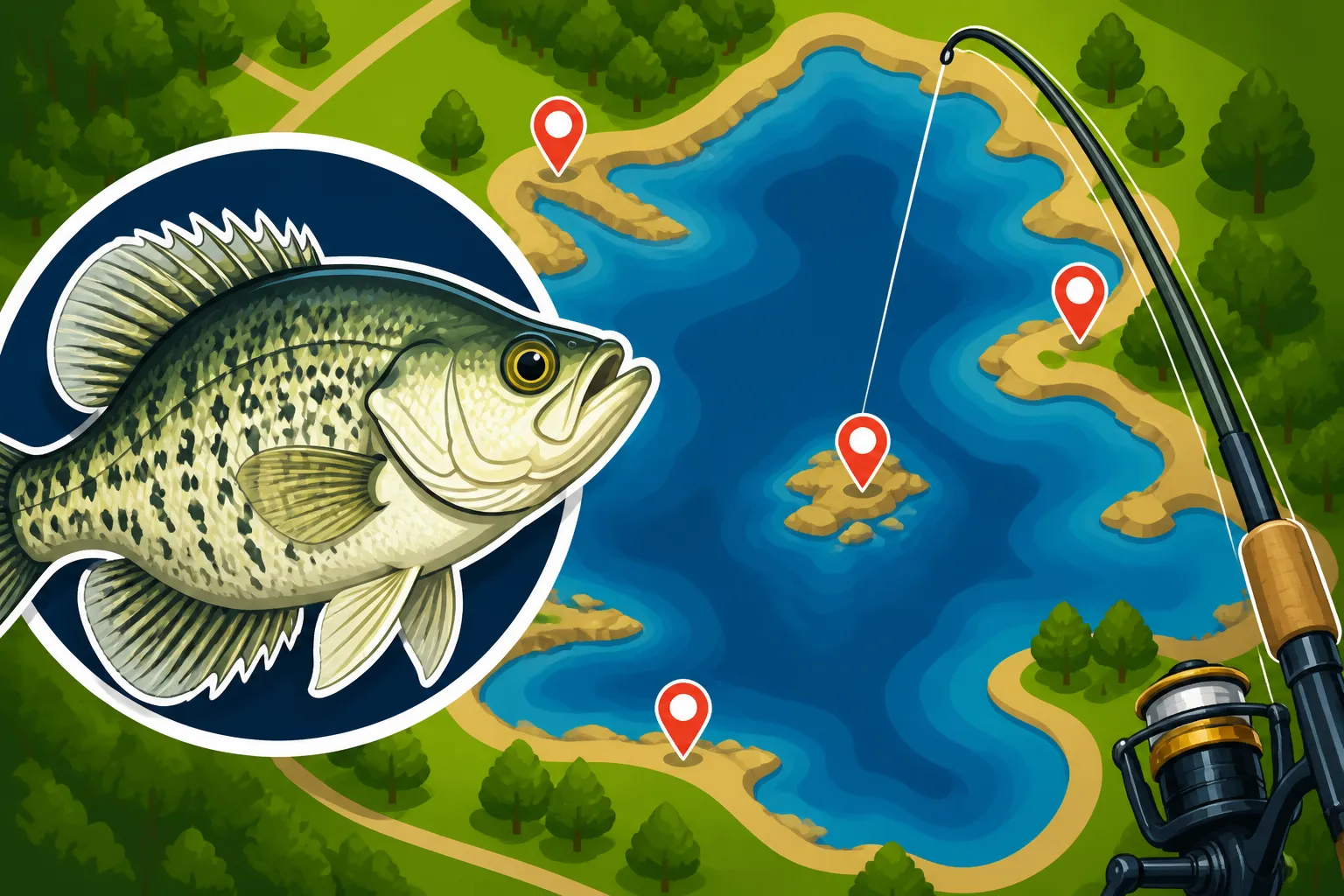
Here's a quick reference table for some of Lake Shafer's crappie hot spots:
| Location Type | Key Features | Best Times to Fish | Recommended Technique |
|---|---|---|---|
| Near the Dam | Deep water, strong current, old river channel | Cooler months, early spring, late fall | Vertical jigging, minnows |
| Bridge Pilings | Vertical structure, shade, current breaks | All seasons, especially summer evenings | Pitching jigs, minnows, bobbers |
| Private Docks | Submerged brush, shade, artificial habitat | Warmer months (early/late day) | Jigging, minnows, casting small lures |
| River Channel Bends | Drop-offs, current breaks, transition zones | Spring, fall, cooler summer days | Trolling, vertical jigging |
| Submerged Timber/Brush | Natural cover, fish congregating points | All seasons, especially post-spawn | Weedless jigs, bobber & minnow |
Seasonal Strategies for Lake Shafer Crappie
Crappie fishing on Lake Shafer is a year-round affair, but your tactics will need to adapt to the changing seasons and the crappie's predictable movements. Understanding these patterns is key to consistent success.
Spring: The Crappie Spawn Frenzy
Spring on Lake Shafer means one thing for crappie anglers: the spawn. As water temperatures climb into the 55-70°F range, crappie move into shallower waters to reproduce. This is often heralded as the best time to catch crappie in Indiana, and Lake Shafer is no exception. Look for them in shallow coves, around submerged brush, and along sun-warmed shorelines, particularly those protected from the wind. These fish will be actively feeding and preparing their nests, making them more aggressive and accessible.
During the pre-spawn phase, crappie will stage in slightly deeper water adjacent to their spawning flats. Once the water hits that ideal temperature, they'll move right into the shallows. Small jigs (1/32 to 1/16 ounce) in bright colors like chartreuse, pink, or white are incredibly effective, either fished under a bobber or slowly retrieved. Live minnows, fished under a slip bobber, are also a perennial favorite and can entice even the most finicky fish. You can find more detailed advice on specific techniques by exploring resources like the guide on how to Jig for Crappie in Spring.
Summer: Deeper Waters and Night Fishing
Once the spawn is over and summer temperatures really kick in, crappie on Lake Shafer generally retreat to deeper, cooler waters. They'll often suspend over the old river channel or seek refuge in dense submerged cover like brush piles, deep docks, and bridge pilings. The key here is to find that thermocline, if one exists, or simply target the coolest water available with good structure.
Daytime summer crappie fishing can be challenging but rewarding if you find the right spots. This is where a good fish finder becomes invaluable. Look for suspended schools of fish over open water or tight to deep structure. Vertical jigging or slow trolling with jigs or minnows at various depths can be effective. Night fishing can also be incredibly productive during the summer. Crappie are attracted to lights, so setting up lights over the water near deep structure can draw in baitfish, and then the crappie will follow. Many anglers have great success with this technique on Lake Shafer. For tips on how to Find Crappie in Summer, check out specific guides.
Fall: Transition and Feeding Frenzy
Fall is another fantastic time for crappie fishing on Lake Shafer, often rivaling spring in terms of productivity. As water temperatures begin to cool, crappie move out of their deep summer haunts and become much more active, feeding heavily in preparation for winter. They'll often follow baitfish into shallower bays and coves, especially those with remaining green vegetation or submerged wood.
During the fall, crappie can be found in a variety of depths, from shallow flats on cloudy days to deeper breaklines on sunny ones. Focus on areas where baitfish are abundant, often near creek mouths or where shallow water transitions into deeper drops. Trolling with small crankbaits or jigs can be an excellent way to cover water and locate active schools. As the season progresses and the water gets colder, crappie will again start to concentrate in deeper areas, similar to their winter patterns, but they’ll still be actively feeding. Learning about the best Months to Catch Crappie in Indiana can provide additional context for this productive season.
Winter: Ice Fishing and Deep Water
While Lake Shafer doesn't always completely freeze over for consistent ice fishing due to its constant flow, when conditions allow, winter crappie fishing can be excellent. Even without ice, during periods of extreme cold, crappie will congregate in the deepest, most stable parts of the lake. This includes the old river channel, deep holes near the dam, and any prominent deep-water structure.
During the winter, crappie become more lethargic, so a subtle presentation is key. Small jigs, often tipped with a wax worm, minnow head, or a tiny plastic, fished vertically and slowly, are the most effective. On the ice, drilling a series of holes along a depth contour or over a known structure can help you locate the schools. If there's no ice, targeting these deep areas from a boat with sensitive electronics and light tackle can still yield impressive results. Remember that during winter, their metabolism slows, so they won't chase bait far. You need to put the lure right in front of them.
Essential Gear and Techniques for Lake Shafer Crappie
Having the right equipment and knowing how to use it makes all the difference when targeting Lake Shafer crappie. You don't need a boatload of expensive gear, but a few key items will certainly boost your success.
Rods, Reels, and Line Choices
For crappie, light tackle is the name of the game. A sensitive ultralight or light action spinning rod, typically 5 to 7 feet long, paired with a small spinning reel (size 500-1000) is ideal. This setup allows you to feel those subtle crappie bites and provides a fun fight from even modest-sized fish.
When it comes to line, 4-6 pound test monofilament or fluorocarbon is generally sufficient. Monofilament offers a bit more stretch, which can be forgiving, while fluorocarbon is less visible underwater and more sensitive. Some anglers prefer braided line with a fluorocarbon leader for ultimate sensitivity and strength, but for most crappie applications, a good quality mono or fluoro will serve you well. Thinner line helps with casting small, light jigs and makes your presentation more natural.
Top Baits and Lures for Lake Shafer
Crappie are not overly picky, but certain baits and lures consistently outperform others.
- Live Minnows: You simply can't beat live minnows for crappie. They are the ultimate natural bait. Hook them lightly through the lips or just behind the dorsal fin and fish them under a bobber or vertically jigged.
- Jigs: Small plastic jigs are incredibly versatile. Sizes from 1/32 to 1/16 ounce are common, with colors like chartreuse, white, black, pink, and various combinations being popular. Jigs can be tipped with a crappie nibbler, a small piece of minnow, or a wax worm to add scent and appeal. Explore guides like Crappie Jigging Techniques for Beginners for more detailed tips.
- Tubes and Grubs: These soft plastic lures imitate small baitfish or insect larvae and are very effective. They come in a multitude of colors and sizes.
- Crappie Crankbaits: Very small crankbaits can be deadly, especially when trolling or casting around bridge pilings and deeper structures. Brands like Berkley and Strike King offer excellent options designed for crappie.
Essential Accessories and Electronics
Beyond your rod and reel, a few accessories will make your crappie fishing on Lake Shafer much more enjoyable and productive.
- Bobbers: Slip bobbers are incredibly useful for adjusting your depth quickly, especially when fishing around submerged cover or over varying depths. Standard clip-on bobbers work well for shallower presentations.
- Pliers/Forceps: Crappie have delicate mouths, and small hooks can be tricky to remove. Pliers or forceps are essential for safe hook removal and minimizing harm to the fish.
- Landing Net: A small, fine-mesh landing net is helpful for safely landing crappie, especially larger ones, without losing them at the boat or shore.
- Fish Finder: For boat anglers, a good fish finder is arguably the most valuable tool. It helps you locate schools of crappie, identify submerged structure, and monitor depth and water temperature. Brands like Humminbird and Lowrance offer excellent options for freshwater fishing. Knowing where the fish are hiding underneath the surface is half the battle.
- Tackle Box: Organize your jigs, hooks, sinkers, and bobbers in a compact tackle box. For a species-specific setup, check out tips on the Best Panfish Tackle for Indiana Anglers.
Whether you're fishing from the bank near a bridge piling or slowly trolling the old river channel, remember that patience and observation are your best friends. Crappie move in schools, so once you find one, there are likely many more nearby. Experiment with depths, colors, and retrieve speeds until you dial in what the fish want on any given day. With these tips and a little perseverance, Lake Shafer can become your go-to crappie destination.
Disclaimer
Fishing laws and regulations, including license requirements, bag limits, and specific rules for certain bodies of water, can change frequently. While we strive to provide accurate and up-to-date information, it is your responsibility to verify all current regulations with the Indiana Department of Natural Resources (IDNR) before engaging in any fishing activities. This guide is for informational purposes only and should not be considered a substitute for official legal guidance.