Best Boat Ramps on Monroe Lake in Indiana
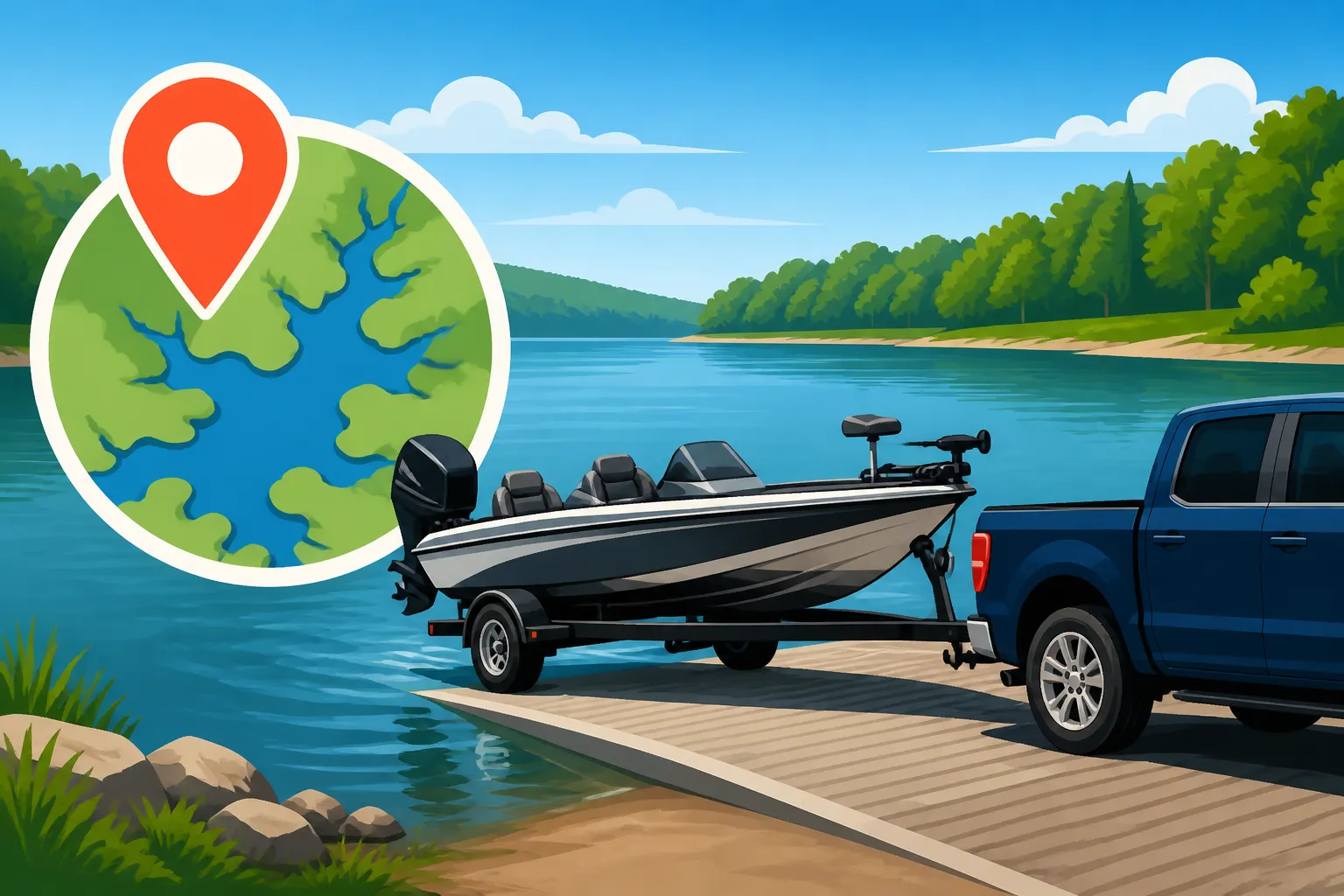
Ah, Monroe Lake. It’s Indiana’s largest inland lake, a true jewel for anglers, but its sheer size and sprawling arms can make simply getting your boat in the water feel like a monumental task if you don't know the lay of the land. Finding the right boat ramp is crucial, not just for a smooth launch and retrieve, but for setting yourself up for a successful day on the water, avoiding unnecessary travel time, and sidestepping frustrating delays. This guide is going to walk you through the very best boat ramps on Monroe Lake, detailing their features, considerations for different types of boats, and how to pick the perfect launch point for your next Hoosier fishing adventure.
Understanding the Unique Challenges of Monroe Lake's Boat Ramps
Monroe Lake isn't just big; it's vast, with over 10,750 acres of water and a shoreline that stretches for miles, winding into countless coves and inlets. This beautiful complexity is what makes it such a phenomenal fishery, but it's also why picking your launch point can be surprisingly tricky. You don't want to spend half your day just getting to your desired fishing grounds because you chose a ramp on the wrong side of the lake.
Why Monroe Lake's Size and Topography Matter for Launches
Monroe Lake, officially known as Monroe Reservoir, is managed by the Indiana Department of Natural Resources (IDNR) and spans parts of Monroe and Brown counties. Its massive size means that driving from one side of the lake to another can take a significant amount of time, sometimes upwards of 30-45 minutes. Imagine launching your boat only to realize your favorite bass hideout or crappie hot spot is a 45-minute boat ride away when another ramp could have put you there in 15. It's a common frustration, and one that careful planning can easily alleviate.
The lake’s irregular topography also plays a huge role. It's dotted with standing timber, deep channels, shallow flats, and countless points, all of which influence fish behavior and, by extension, where you might want to start your day. Some ramps naturally give you better access to the main body of the lake, while others are tucked away, offering quicker routes to specific arms or tributaries. Knowing this beforehand can save you valuable fishing time and fuel. This deep understanding is why many experienced anglers pour over maps and consider their target species before even leaving the driveway. If you're looking for more general information about this impressive body of water, our guide on Monroe Lake: Indiana's Largest Lake for Bass Fishing offers a fantastic overview.
Common Frustrations with Boat Ramps and How to Avoid Them
We’ve all been there: you arrive at the ramp, eager to hit the water, only to find a long line of trailers, limited parking, or worse, a ramp that's too shallow for your boat. Monroe Lake, being a popular destination, can certainly have its share of these headaches, especially on sunny summer weekends or during major fishing tournaments.
One of the biggest issues anglers face on Monroe Lake is fluctuating water levels. As a reservoir, its levels can change significantly throughout the year, especially after heavy rains or during prolonged dry spells. A ramp that was perfectly fine in spring might be a nightmare in late summer or fall. This means some ramps can become very shallow, making launching larger boats difficult or even impossible without scraping your prop or hull. Another common frustration is simply the sheer volume of people. Popular ramps, while often well-maintained, can get incredibly busy, leading to long waits and sometimes chaotic scenes. Parking can also be a challenge, with lots filling up quickly, leaving you to park a long walk from the ramp. These are the moments when a carefully chosen launch site truly shines.
Premier Public Boat Ramps on Monroe Lake
Monroe Lake offers several excellent public boat ramps, each with its own set of advantages and characteristics. Understanding these differences is key to choosing the best one for your specific needs. The majority of these are managed by the Indiana Department of Natural Resources, often located within State Recreation Areas (SRAs).
Paynetown State Recreation Area: The Main Hub
Paynetown SRA is undeniably the most well-known and heavily used boat ramp on Monroe Lake. Located on the northern shore near Bloomington, it serves as the lake's primary hub for many recreational boaters and anglers. If you're looking for ample amenities and don't mind a crowd, Paynetown is often your go-to.
Features and Accessibility: Paynetown boasts multiple, wide concrete ramps, meaning several boats can launch or retrieve simultaneously. The parking area is massive, designed to accommodate hundreds of trucks and trailers, although it can still fill up on peak days. What truly sets Paynetown apart are the extensive facilities: you'll find modern restrooms, fish cleaning stations, a marina with fuel sales, a bait and tackle shop, and even a campground nearby. It’s a full-service experience. For many, the convenience of having everything in one place outweighs the potential for crowds. It’s particularly popular for tournament anglers due to its spacious layout and ease of access.
Pros and Cons: The biggest pros are the superb facilities and the sheer volume of ramps and parking. It's reliable, even for larger vessels, and the amenities mean you're unlikely to forget anything. On the flip side, Paynetown can get incredibly busy. On a prime Saturday in July, you might be waiting in a line to launch, and the main lake area it accesses can be bustling with pleasure boats, jet skis, and other anglers. This might mean a longer boat ride to quieter fishing spots, which is something to consider if you're planning a trip focused on finding those more secluded areas for Where to Catch Trophy Bass on Monroe Lake. Despite the crowds, it remains a favorite for many because of its dependable infrastructure.
Crooked Creek State Recreation Area: A Quieter Alternative
For those seeking a slightly less hectic experience without sacrificing good access, Crooked Creek SRA is an excellent option. Located on the northeastern arm of the lake, it offers a more laid-back atmosphere, often favored by local anglers looking to avoid the main Paynetown rush.
Features and Accessibility: Crooked Creek features a well-maintained, multi-lane concrete ramp and a substantial parking area. While not as vast as Paynetown, it's generally sufficient for most days. The facilities are simpler here, typically including vault toilets and a more rustic feel, but it gets the job done. Its location provides excellent access to the "crooked creek" arm of the lake, which can be fantastic for targeting crappie and various panfish, especially in the spring and fall. You'll often find fewer large pleasure boats here, making it more appealing for dedicated anglers.
Pros and Cons: The primary advantage of Crooked Creek is its relative tranquility. If you're looking for a peaceful morning launch, this spot often delivers. It provides direct access to some great fishing grounds without a long run across the main body of water, which can save fuel and time. However, the amenities aren't as comprehensive as Paynetown. There's no on-site bait shop or fuel, so you'll need to make sure you're fully stocked before you arrive. Parking, while ample, isn't endless, so on a busy weekend, it could still fill up. It’s an ideal choice for anglers who prefer a quieter start to their day and are comfortable with fewer services.
Cutright State Recreation Area: Reliable and Central
Cutright SRA is another popular and reliable choice for launching on Monroe Lake. Situated on the western side of the lake, it offers good central access to a variety of fishing areas, making it a versatile option for many.
Features and Accessibility: Cutright features multiple concrete ramps and a decent-sized parking lot. It's a solid, functional ramp that generally handles medium to large boats without issue. Like Crooked Creek, amenities are more basic here, typically focusing on essential restrooms. Its location provides balanced access to both the central and western parts of the lake, making it a good strategic choice if you're not entirely sure which part of the lake you want to fish or if you plan to explore a broader area.
Pros and Cons: Anglers often appreciate Cutright for its consistent reliability and its strategic location that minimizes long runs to various parts of the lake. It tends to be less crowded than Paynetown but can still see a fair amount of traffic. The biggest consideration with Cutright, similar to other reservoir ramps, is its susceptibility to water level changes. During periods of very low water, parts of the ramp might become less usable or require extra caution. Always check current lake conditions before heading out, especially if you have a larger boat.
Fairfax State Recreation Area: Close to Town, Great for North Arms
Located on the northern side, closer to Bloomington than some of the other ramps, Fairfax SRA is another key access point to Monroe Lake. It’s particularly popular for those looking to fish the northern sections of the lake and offers proximity to various services in Bloomington.
Features and Accessibility: Fairfax provides several concrete ramps and a spacious parking area. It’s a well-maintained facility that can accommodate a good volume of boaters. Like Paynetown, it's part of a larger recreation area, so restrooms and other basic facilities are usually available. Its location makes it a prime launching spot for accessing the main lake body and the northern arms, which are known for good bass and crappie fishing.
Pros and Cons: The convenience of Fairfax, especially its relatively short drive from Bloomington, is a big draw. It’s a solid, dependable ramp with good capacity. However, because of its proximity to town and popularity for general recreation, it can get busy, particularly on weekends. While not as universally crowded as Paynetown, you’ll still want to plan for potential traffic. For more insights on the diverse fishing opportunities this lake presents, check out our guide on Best Fishing Lakes in Indiana, where Monroe Lake is often highlighted for its varied species.
Optimizing Your Launch: Tips for a Smooth Monroe Lake Experience
Launching your boat should be the easy part of your fishing trip, not a source of stress! With a few smart strategies, you can make your Monroe Lake ramp experience as smooth and enjoyable as possible, whether it's your first time or your hundredth.
Checking Water Levels Before You Go
This cannot be emphasized enough: always check the current water levels of Monroe Lake before you head out. As a reservoir, Monroe Lake’s water level can fluctuate significantly throughout the year. What was a perfectly accessible ramp last month might be a treacherous gravel slope today, especially for larger boats. The Indiana Department of Natural Resources (IDNR) website or local marina websites often provide up-to-date lake levels. Calling a local marina (like the one at Paynetown) can also give you real-time insights into specific ramp conditions.
Imagine driving an hour to the lake, only to find the ramp you planned on using is too shallow for your 20-foot bass boat. It's a frustrating scenario that's entirely avoidable. Low water levels often mean a shallower approach to the ramp, exposed concrete sections, or even the end of the ramp being several feet above the water. Conversely, extremely high water can sometimes make ramps difficult to access from the parking lot. Being prepared means you can choose an alternative ramp or even reschedule if conditions are truly unfavorable. For planning your trip around other environmental factors, our article on Best Time of Year to Fish Monroe Lake in Indiana can offer additional insights.
Avoiding Peak Times and Planning Ahead
Weekends, especially during summer, are naturally the busiest times at Monroe Lake’s boat ramps. If you have the flexibility, launching on a weekday morning can dramatically reduce crowds and stress. You'll likely have your pick of parking spots, and you won't feel rushed at the ramp.
If a weekend trip is your only option, aim to arrive either very early (before sunrise) or later in the afternoon (after the initial morning rush, but still with plenty of daylight for fishing). Many experienced anglers are at the ramp before the sun even thinks about coming up, not just for the best bite, but for the easiest launch.
Planning ahead also means having all your gear ready before you back down the ramp. This includes putting in your drain plug (a classic rookie mistake!), removing tie-downs, loading all your fishing rods and tackle, and making sure your Best Trolling Motors for Indiana Bass Boats is ready to deploy. Doing all this in the staging area, away from the ramp itself, is proper boat ramp etiquette and keeps things moving smoothly for everyone. If you're visiting and want to avoid the ramp hassle altogether, consider booking a guided trip. Services like FishingBooker can connect you with experienced local guides who handle all the launching and retrieving, allowing you to focus solely on the fishing.
Essential Gear and Etiquette for Launching
Beyond basic boat prep, a few gear considerations can make your life easier. A sturdy, reliable Best Boat Trailer for Fishing Boats is paramount, ensuring your boat gets to and from the water safely. Regular maintenance on your trailer's lights, tires, and bearings will prevent roadside headaches.
As for etiquette, it’s all about efficiency and consideration for others.
- Prepare off the ramp: As mentioned, do all your pre-launch checks and loading in the staging area.
- Be quick on the ramp: Once it’s your turn, execute your launch or retrieve as quickly and safely as possible.
- Park efficiently: Don’t hog multiple parking spots. Park your truck and trailer neatly within the designated lines.
- Help others (if safe): If you see someone struggling and you can safely offer a hand, a little help goes a long way in fostering a friendly boating community.
Following these simple rules not only makes your own experience better but contributes to a more pleasant environment for every angler.
Choosing the Right Ramp for Your Fishing Goal
Monroe Lake is a diverse fishery, offering opportunities for everything from trophy largemouth bass to tasty crappie and elusive walleye. Your primary fishing goal should heavily influence your choice of boat ramp, as different ramps provide better access to specific types of water.
Accessing Specific Fishing Zones
If you're heading to Monroe Lake with a specific target in mind, such as chasing monster largemouth bass in the southern coves or jigging for crappie in the timbered northern arms, your ramp choice becomes a strategic decision.
For instance, if your focus is primarily on bass fishing, especially in the sprawling southern arms and coves of the lake known for their abundant structure, launching from Paynetown or Cutright can put you in a good position. While Paynetown means navigating more traffic, its central location allows for relatively quick access to the main body and then a run south. Cutright, being further west and central, can also be a good jumping-off point for exploring the many deep pockets and points that hold bass. For dedicated bass anglers, exploring our Best Bass Fishing Lakes in Indiana guide might offer more strategic tips relevant to Monroe.
If crappie is your quarry, particularly during the spring and fall when they move shallower or hold tight to submerged timber, Crooked Creek or the northern reaches accessible from Fairfax might be more efficient. The Crooked Creek arm itself is renowned for crappie, and launching there immediately places you in prime territory, reducing your travel time significantly. Similarly, the north arms accessible from Fairfax offer extensive timbered areas where crappie often congregate. Our Best Crappie Lakes in Indiana resource can further detail effective strategies once you've launched.
For those targeting walleye, which often prefer deeper, rockier structures, particularly in the main lake basin, Paynetown or Cutright usually provide the most direct access to these types of habitats. Walleye fishing often involves trolling or jigging deeper humps and ledges, and these ramps position you well for reaching those areas without a lengthy journey from a more remote ramp.
Considerations for Kayaks and Smaller Boats
Not everyone needs a multi-lane concrete ramp built for large bass boats. Kayak anglers, canoe enthusiasts, and those with small jon boats often have different access needs and can benefit from ramps or access points that are less crowded and sometimes even free.
For kayak fishing, less developed access points, hand launches, or even beach-style launches can be preferable. These smaller craft don't need deep water or wide ramps, and often, avoiding the busy main ramps means a quieter, more enjoyable paddling experience. While the major SRAs like Paynetown, Crooked Creek, Cutright, and Fairfax all allow kayaks and canoes, they might feel overwhelming with larger powerboats. Exploring areas designated for Monroe Lake Shore Fishing Access Points might uncover smaller, more secluded spots perfect for launching a kayak or canoe directly into a promising cove.
Many kayak anglers also look for ramps that put them immediately into protected coves or areas with less boat traffic, especially on a large lake like Monroe. The western arms of the lake, accessible from some of the smaller, less-used ramps, can be ideal for this. Equipping your kayak correctly for these waters is also key, and our Kayak Fishing Setup Tips for Indiana Anglers offers valuable advice.
Ultimately, whether you're in a high-performance bass boat or a quiet kayak, Monroe Lake has an access point that's right for you. The key is to think about your specific fishing goals, the type of boat you have, and the current lake conditions before you even hitch up your trailer. Planning makes all the difference for a fantastic day on the water.
Here’s a quick overview of some of the top ramps on Monroe Lake:
| Boat Ramp Name | Location (General) | Number of Lanes | Parking Capacity | Key Amenities | Suitable for (Boat Size) | Best For (Fishing Goal) | Common Issues |
|---|---|---|---|---|---|---|---|
| Paynetown SRA | Northeast (Near Bloomington) | 4+ | Large (200+ trailers) | Fuel, Bait Shop, Marina, Restrooms, Fish Cleaning, Campground | All sizes (esp. large) | Tournaments, Main Lake access, All-around angling | Crowds on weekends, Long runs to quiet spots |
| Crooked Creek SRA | Northeast (Upper arm) | 2 | Medium (50-100 trailers) | Restrooms | Small to Medium | Crappie, Panfish, Quieter angling, Northeastern arm access | Fewer amenities, Can get busy |
| Cutright SRA | West/Central | 2-3 | Medium (100-150 trailers) | Restrooms | Small to Large | Balanced access to central and western lake, Bass, Walleye | Water level dependent, Can get busy |
| Fairfax SRA | North (Near Bloomington) | 3+ | Large (150+ trailers) | Restrooms, Beach, Playground | All sizes (esp. medium/large) | Northern lake access, Convenience, Mixed recreation | Crowds on weekends, Pleasure boat traffic |
This table provides a snapshot, but remember, real-time conditions like water levels or ongoing maintenance can always affect accessibility. Always double-check before you leave your driveway! If you're planning a trip and want to get a real feel for the local conditions or even consider a guided experience, platforms like FishingBooker can be invaluable. You can see which ramps local guides use most frequently, offering a hint at the best access points for various species at different times of the year. Plus, if you're traveling from out of state, understanding Indiana Boat Registration Rules Explained will be critical.
Disclaimer
Please note that fishing regulations, lake conditions, and access points can change. Always check the latest Indiana Department of Natural Resources (IDNR) regulations and local advisories before heading out on Monroe Lake. This guide is for informational purposes only and does not constitute official legal or safety advice.