Fishing the White River in Indiana
The White River winds its way through the heart of Indiana, offering an incredible variety of fishing opportunities, but its sheer length and diverse character can make it daunting for anglers to know where to start. From its meandering northern stretches to its wider, urban segments, understanding the nuances of this iconic waterway is key to a successful outing. This comprehensive guide will break down the White River, helping you pinpoint the best spots, species, and techniques to make your next fishing trip truly memorable.
Understanding the White River's Diverse Character
The White River isn't a single, uniform entity; it's a tale of two distinct forks, each with its own personality and fishing challenges, eventually converging to form a significant waterway. Recognizing these differences is the first step in unlocking its potential.
The Northern Reach: West Fork's Origins
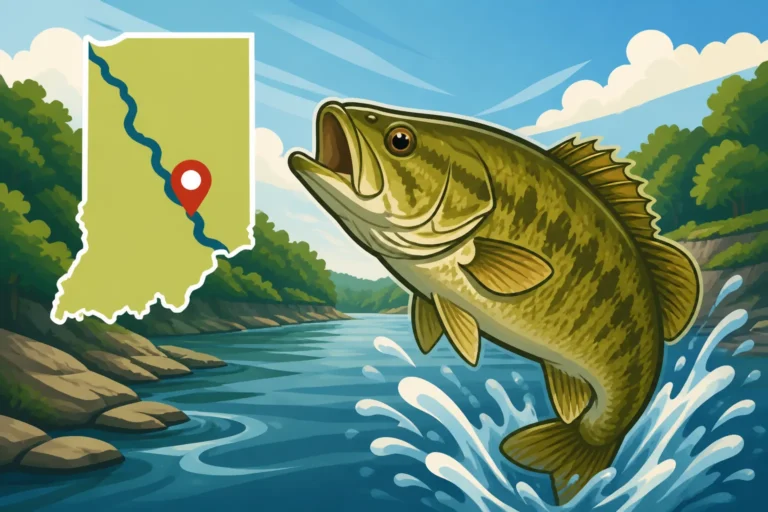
The West Fork of the White River begins its journey in Randolph County, near Winchester, and flows northwesterly before turning south towards Indianapolis. In its upper sections, particularly above Anderson, you'll find a narrower, more intimate river, often characterized by riffles, small rapids, and a mix of gravel and rock bottoms. This stretch can feel more like a large creek, perfect for wading or smaller craft like kayaks and canoes. The water here tends to be clearer, especially outside of heavy rain events, which can make for excellent sight fishing opportunities in the right conditions. As you move downstream, past cities like Muncie and Anderson, the river gradually widens and deepens, becoming more navigable for small boats but still retaining much of its natural, free-flowing charm.
Anglers exploring this northern reach will discover a vibrant ecosystem. Smallmouth bass thrive in the faster-moving, rocky areas, while channel catfish lurk in deeper pools and bends. Panfish, such as bluegill and crappie, also make their home in calmer backwaters and oxbows. The varied structure, from fallen timber to undercut banks, provides ample habitat for a diverse range of species, making it an exciting area for those who enjoy exploring different fishing scenarios. Access can sometimes be a challenge, relying heavily on public road bridges or designated put-in points. For more insight into Indiana's diverse fishing waterways, check out The Best Rivers for Fishing in Indiana.
The Southern Stretch: East Fork and Confluence
The East Fork of the White River originates in Columbus and flows southwest, eventually meeting the West Fork in Daviess County to form the main stem of the White River. While the West Fork is often the more popularly fished segment, the East Fork offers its own unique angling experiences. It generally has a slower current and a muddier bottom than the upper West Fork, especially in its lower reaches. The landscape surrounding the East Fork is often more agricultural, leading to higher turbidity after rainfalls, which impacts fishing clarity.
Once the two forks merge, the White River becomes a much larger, slower-moving body of water. This lower main stem is often characterized by wide, silty bottoms, deep channels, and extensive sandbars. Fishing here typically involves targeting species that prefer these conditions, such as large flathead catfish, carp, and even some hybrid stripers in certain reservoir-fed sections. The sheer size of this part of the river means that boat access becomes almost essential for exploring its full potential, and anglers need to be mindful of navigational hazards like submerged logs and shifting sandbars.
The Indianapolis Metro Area: Urban Fishing Opportunities
The White River's journey through Indianapolis presents a fascinating paradox: a major urban waterway that still offers surprisingly good fishing. Within the city limits, the river transforms again, flowing past parks, industrial areas, and residential neighborhoods. Despite the urban setting, sections of the White River near Indianapolis are known for producing quality smallmouth bass, largemouth bass, and abundant catfish. The river bottom here is a mix of rock, gravel, and silt, with plenty of bridge pilings, fallen trees, and rip-rap providing excellent fish habitat.
Public access along the Indianapolis stretch is relatively good, with numerous parks and greenways offering shore fishing opportunities. Places like Riverside Park, Broad Ripple Park, and White River State Park provide convenient points to cast a line. While the aesthetics might not be that of a pristine wilderness river, the fishing can be exceptionally rewarding, offering a quick escape for city-dwelling anglers. It's a testament to the river's resilience that it sustains such a vibrant fishery even in a bustling metropolitan area. If you're looking for other convenient spots, you might want to explore Best Fishing Spots Near Indianapolis, Indiana.
Key Fish Species and Where to Find Them
The White River is a haven for several popular sport fish, each with its preferred habitat and seasonal patterns. Knowing what you're targeting and where they're likely to be is crucial for success.
Smallmouth Bass: River Fighters
Ah, the smallmouth bass – the undisputed king of Indiana's rivers for many anglers. These feisty fish thrive in the cooler, clearer, and faster-moving sections of the White River, particularly in the West Fork upstream of Indianapolis. Look for them in areas with current, such as riffles, rapids, and eddies behind submerged rocks or fallen timber. They love structure, so bridge pilings, rock piles, and undercut banks are prime real estate. The oxygenated water and abundant forage (like crayfish and baitfish) in these sections provide ideal conditions for smallmouth to grow to impressive sizes.
To find them, focus your efforts on stretches with a rocky or gravel bottom where the current creates seams and breaks. Often, the transition zones between fast-moving water and calmer pools will hold feeding fish. Smallmouth are incredibly aggressive predators and will readily strike a variety of lures. They're particularly active during the spring and fall, when water temperatures are optimal. Many anglers specifically target these hard-fighting fish along the White River. For detailed tactics, consider looking up Where to Catch Smallmouth Bass on the White River.
Channel Catfish: Abundant and Accessible
If consistent action and delicious table fare are what you're after, then the channel catfish is your target species on the White River. These adaptable fish are found throughout both forks and the main stem, from the fastest riffles to the slowest, deepest pools. They are particularly abundant in the deeper, slower sections of the river, especially downstream of Indianapolis and in the East Fork, where the bottom tends to be muddier and more conducive to their foraging habits. Look for them in areas with cover, such as logjams, deep holes, and brush piles, as well as along the edges of current breaks.
Channel catfish are primarily scavengers and opportunistic predators, making them relatively easy to catch with the right bait. Their incredible sense of smell allows them to locate food even in murky water or at night. They are highly active during warmer months, from late spring through early fall, and provide excellent fishing opportunities for anglers of all skill levels. Targeting them from the bank is often very productive, and they are one of the most accessible game fish in the river. If you're after consistent catches, these whiskered warriors are a great bet, and many anglers specifically seek out White River Catfish Fishing Spots Near Indianapolis. For a complete overview of targeting this species, read our Channel Catfish Fishing in Indiana: The Complete Guide.
Largemouth Bass and Panfish: Backwater Bounty
While smallmouth bass dominate the faster sections, largemouth bass can be found in the White River's slower-moving, more vegetated areas, particularly in backwaters, oxbows, and tributaries. These ambush predators prefer calmer water with plenty of submerged cover, like lily pads, weed beds, and fallen trees. You'll often find them tucked away in these quieter pockets, waiting to strike unsuspecting prey. The areas around Indianapolis and further downstream, where the river widens and the current lessens, tend to hold better populations of largemouth.
Panfish, including bluegill, crappie, and various sunfish, also thrive in these same calmer environments. They are excellent targets for a relaxed day of fishing, especially with kids or beginners. Look for them around brush piles, docks, and any other cover in slow-moving water. While not typically the primary target for White River anglers, they provide consistent action and are often found in abundance. These species are also excellent table fare and a joy to catch on light tackle. When fishing for them, a good strategy is to use natural baits. For instance, you can't go wrong with live worms or small jigs. If you're looking for bait ideas, explore Best Bait for Largemouth Bass in Indiana Lakes.
Best Fishing Techniques for the White River
The White River's diverse nature means that a variety of fishing techniques can be effective. Matching your approach to the specific section of the river and the species you're targeting will dramatically improve your chances of success.
Bank Fishing and Wading Strategies
Bank fishing is one of the most accessible ways to enjoy the White River, especially in and around urban areas like Indianapolis, where numerous parks and public access points provide ample shoreline. When bank fishing, focus on areas where the current slows down, like eddies, inside bends, or behind large pieces of structure such as fallen trees or bridge abutments. These spots offer fish a break from the main current and concentrate forage. For catfish, casting cut bait or chicken liver into deeper holes or against logjams can be incredibly effective. For bass, try casting crankbaits, spinnerbaits, or soft plastics parallel to the bank, especially where there's submerged cover. A sturdy rod and reel combo, along with a tackle box stocked with common baits and lures, will serve you well. For more tips on setting up your gear, read Best Bank Fishing Gear for Rivers and Streams.
Wading can be a fantastic way to access productive areas in the shallower, northern sections of the West Fork. When wading, safety is paramount: always wear a life jacket, use a wading staff for stability, and be aware of sudden drop-offs or strong currents. Focus on casting upstream and allowing your lure or bait to drift naturally downstream through riffles and runs where smallmouth bass hold. Small crankbaits, tube jigs, and soft plastic grubs are excellent choices for tempting smallmouth. Stealth is also important; approach fishing spots quietly to avoid spooking fish in the clearer water.
Kayak and Canoe Adventures
Kayaks and canoes offer an incredible advantage on the White River, allowing you to cover more water than wading and access spots that are unreachable from the bank, all without the need for a large boat ramp. These smaller crafts are particularly well-suited for the narrower, winding sections of the West Fork, where the current is manageable, and the river flows through more natural landscapes. They allow for a quiet approach, perfect for sneaking up on wary smallmouth bass. When using a kayak or canoe, focus on drifting silently downstream, casting to promising structure as you go.
Paddle fishing also opens up opportunities to explore tributaries and backwaters that might hold largemouth bass and panfish. Be mindful of water levels; too low and you'll be dragging, too high and the current can become dangerous. Always check river conditions before launching, and ensure you have all the necessary safety gear, including a PFD, whistle, and a way to secure your paddle. When planning your route, identify clear put-in and take-out points, and consider the average flow rate to estimate your trip duration. If you're new to the river and looking to explore with a guide, services like FishingBooker can help you find local experts who offer kayak or canoe trips, ensuring you hit the most productive stretches safely.
Boat Fishing for Deeper Waters
For those looking to explore the wider, deeper sections of the White River, especially downstream of Indianapolis and in the main stem after the forks merge, a small to medium-sized motorboat becomes invaluable. These boats allow you to efficiently cover large expanses of water, access deep holes, and fish large logjams that hold monster catfish and larger bass. When boat fishing, pay close attention to your depth finder to locate channel drops, submerged structure, and schools of baitfish. Anchor upstream of promising spots and cast into them, or slowly drift while jigging or bottom fishing.
In these wider sections, current breaks are still key. Look for areas where the river slows down on an inside bend, or where a large obstacle creates an eddy. Catfish anglers often use heavy bottom rigs with large chunks of cut bait or prepared stink baits to target the biggest flatheads and channel cats. Bass anglers can employ a wider range of techniques, from casting deep-diving crankbaits to flipping jigs into heavy cover. Navigating the White River by boat requires a good understanding of the river, as sandbars can shift and submerged hazards are common. Always exercise caution and stay alert to changing river conditions.
Key Access Points and River Navigation
Knowing where to get onto the White River and how to safely navigate its waters is just as important as knowing what to fish for. Public access points vary greatly depending on the river section.
Public Access for Shore Anglers
The White River offers a surprisingly good number of public access points for shore anglers, particularly within the Indianapolis metropolitan area and around smaller towns along its course. In Indianapolis, parks like Riverside Park, Broad Ripple Park, and White River State Park provide easy access to the riverbanks, often with paved trails leading to fishing spots. These areas are popular for catching channel catfish, especially after dark, and offer decent chances for largemouth and smallmouth bass. Many bridge crossings throughout the river also offer informal access, though anglers should always respect private property and only access areas that are clearly public.
Further north on the West Fork, towns like Muncie, Anderson, and Noblesville have various municipal parks and greenway systems that provide river access. These tend to be more suitable for targeting smallmouth bass due to the faster current and rockier bottoms. South of Indianapolis, access becomes a bit more spread out, with many areas privately owned. However, state-managed fishing areas and county parks can still provide limited public access. Always look for designated parking and walk-in access points to ensure you're fishing legally and respectfully. For a more comprehensive list of entry points, be sure to consult Best Fishing Access Points on the White River in Indiana.
Boat Ramps and Kayak Launches
For anglers preferring to fish from a boat, identifying suitable ramps and launch points is critical. On the West Fork, several boat ramps are available, particularly as the river widens. Near Anderson, for example, some city parks offer launches. In the Indianapolis area, the city has invested in better river access, with various ramps suitable for small to medium-sized boats. These launches are crucial for accessing the deeper channels and more remote sections that hold larger fish.
For kayaks and canoes, a wider range of informal launch points exists, often at bridge crossings or designated canoe access sites. These "carry-in" points are prevalent in the upper West Fork, allowing paddlers to put in and take out over a multi-mile float. Always scout your launch and take-out points beforehand, especially if planning a longer float trip. Facilities can range from paved ramps to simple dirt paths. Keep in mind that some commercial liveries also offer shuttle services, which can be a convenient option for multi-hour or full-day floats, letting you focus entirely on the fishing. If you're looking to hire a guide with a boat for a specific section, FishingBooker lists several local charters that operate on the White River and can help you navigate its waters.
Navigating River Hazards and Safety
The White River, like any natural waterway, presents certain navigational challenges and safety considerations that anglers should be aware of. Fluctuating water levels are a primary concern; heavy rainfall can quickly turn a placid river into a fast-moving, debris-filled torrent, making fishing dangerous and unproductive. Conversely, prolonged dry spells can lead to very low water, exposing submerged hazards and making boat navigation difficult or impossible in shallower sections. Always check local river gauge readings and weather forecasts before heading out.
Submerged timber, rock piles, and shifting sandbars are common hazards, particularly for boaters. Use caution, especially in unfamiliar stretches, and consider idling through new areas to scout for obstacles. Wearing a life jacket is non-negotiable, regardless of whether you're wading, kayaking, or boating. A well-stocked first-aid kit, plenty of water, and a charged cell phone are also essential. If you're fishing alone, let someone know your float plan and expected return time. Observing Indiana Fishing Regulations and Bag Limits Guide is crucial not just for compliance but for sustaining the fishery.
Seasonal Fishing Strategies on the White River
The White River's fishing opportunities shift dramatically with the seasons, influenced by water temperature, flow rates, and fish spawning cycles. Adapting your approach throughout the year is key to consistent success.
Spring and Early Summer Bites
Spring on the White River is a time of renewed activity. As water temperatures begin to climb from their winter lows, fish become more active and move into shallower areas to feed and prepare for spawning. This is an excellent time for smallmouth bass, as they move towards rocky spawning grounds in the faster-flowing sections of the West Fork. Aggressive presentations like crankbaits, spinnerbaits, and tube jigs can be highly effective. The post-spawn period, usually late May to early June, offers some of the most explosive smallmouth action as they aggressively feed to recover.
Channel catfish also become very active in late spring as the water warms. They will begin to move into shallower feeding flats and can be caught on a variety of baits, from cut bait to worms. Early summer, while sometimes bringing higher water temperatures and more recreational traffic, can still be very productive, especially during morning and evening hours. Largemouth bass will be active in backwaters, hitting topwater lures in low light conditions. Keep an eye on water clarity; spring rains can sometimes make the river muddy, in which case scented baits for catfish often perform best. If you find yourself fishing after a heavy downpour, understanding How to Fish After a Cold Front can be beneficial, as fish behavior changes significantly.
Late Summer and Fall Patterns
Late summer on the White River can be challenging. High water temperatures often push fish into deeper, more oxygenated water, or they become less active during the heat of the day. Early morning and late evening become prime fishing times, especially for bass. Look for smallmouth in deeper pools, current seams, and areas with shade or cooler water inputs. Catfish, however, remain quite active throughout the summer, and night fishing can be incredibly productive for them, especially in the deeper, slower sections.
As fall approaches and water temperatures begin to drop, the White River experiences a resurgence of activity. This is often considered one of the best times to target smallmouth bass, as they go on a feeding frenzy to bulk up for winter. They will be actively chasing baitfish in current breaks and around structure. Larger crankbaits, swimbaits, and jig-and-trailer combinations can be very effective. Fall also offers excellent opportunities for catfish, which will also be feeding heavily. The vibrant fall foliage along the riverbanks adds an aesthetic bonus to the great fishing.
Winter Challenges and Opportunities
Winter fishing on the White River presents a unique set of challenges and, for the dedicated angler, some rewarding opportunities. When water temperatures plunge, fish metabolism slows down dramatically, and they become less active. They typically congregate in deeper, slower-moving pools where the water temperature is more stable. Smallmouth bass will often stack up in these deep holes, requiring a slow, finesse approach. Vertical jigging with small spoons or blade baits, or slowly working soft plastics on a jig head, can coax strikes.
Catfish are still present but will also be less active. They'll hold tight to structure in deep water, and targeting them requires patience and precise bait placement. Heavy bottom rigs with cut bait fished slowly can still produce. During mild winter days, a brief warming trend can sometimes trigger short feeding windows. Safety is paramount during winter; dress in layers, wear appropriate cold-weather gear, and be extremely cautious of slick banks and potentially dangerous water temperatures. While less popular, winter can offer solitude and the chance at a trophy fish for those willing to brave the cold.
Essential Gear and Tackle for White River Anglers
Having the right gear makes all the difference when tackling a river as varied as the White. Your choices in rods, reels, line, and lures should be tailored to the specific conditions and species you're pursuing.
Rods, Reels, and Line Choices
For most White River fishing scenarios, a versatile medium-action spinning rod between 6'6" and 7' will serve you well. This setup is adaptable enough for casting lighter lures for smallmouth bass and handling the stronger pulls of catfish. Pair it with a 2500- or 3000-series spinning reel spooled with 8-12 lb monofilament or fluorocarbon line. Monofilament offers good knot strength and shock absorption, while fluorocarbon is virtually invisible underwater and has less stretch, providing better feel. For those targeting larger catfish in deeper, heavier current or around substantial cover, a medium-heavy baitcasting setup with 15-20 lb monofilament or braided line might be more appropriate, offering more backbone to muscle in bigger fish. Braided line, with its superior strength-to-diameter ratio and lack of stretch, is excellent for feeling subtle bites and pulling fish out of thick cover.
If you're primarily wading for smallmouth in the clearer upper West Fork, a slightly lighter action rod (medium-light) might enhance the casting of smaller lures and improve the fight with these spirited fish. The key is to have a balanced setup that allows for comfortable casting throughout the day and provides enough power to effectively fight fish in a river environment where snags and current can be factors.
Bait and Lure Recommendations
The White River offers opportunities for both artificial lures and natural baits, depending on your target. For smallmouth bass, a diverse tackle box is essential. Small to medium-sized crankbaits (both shallow and deep divers in natural baitfish patterns or crayfish colors) are highly effective, especially when fished around current breaks and rocky structure. Spinnerbaits and chatterbaits are great for covering water and triggering reaction strikes. Soft plastics, such as tube jigs, swimbaits, and creature baits rigged on jig heads or as Texas rigs, are also deadly when bounced along the bottom or slowly retrieved through pools. Topwater lures can provide exhilarating strikes during low-light conditions.
For channel catfish and flatheads, natural baits are often king. Cut bait (shad, skipjack, bluegill), chicken liver, nightcrawlers, and commercially prepared stink baits are all excellent choices. Present these on a simple slip-sinker rig or a Carolina rig, allowing the bait to rest on the bottom where catfish forage. When fishing for panfish, live worms, crickets, or small pieces of corn under a bobber work wonders. Tiny jigs tipped with a grub or a small piece of bait can also be very effective. Always carry a variety of options; what works one day might not work the next, and fish preferences can change with water conditions. If you're looking for bait specifically for catfish, our guide on Best Bait for Channel Catfish in Indiana Rivers has excellent recommendations.
Safety and Comfort Essentials
No matter how experienced you are, safety should always be your top priority on the water. A properly fitting personal flotation device (PFD) is essential, especially when wading, kayaking, or in a boat. Cold weather warrants extra layers and waterproof outerwear, while summer calls for sunscreen, a wide-brimmed hat, and plenty of water to stay hydrated. A pair of polarized sunglasses will not only protect your eyes but also help you spot submerged structure and fish. A small first-aid kit is always a good idea, as are insect repellent and a headlamp or flashlight if you plan to fish into the evening or launch before dawn.
Beyond safety, consider comfort. A comfortable pair of wading boots with good grip (if wading), a sturdy chair (for bank fishing), and a cooler for drinks, snacks, and your catch will enhance your overall experience. A pair of pliers for removing hooks and a net for landing fish are also invaluable. Finally, always be aware of your surroundings, respect private property, and pack out everything you pack in, leaving the White River cleaner than you found it.
Disclaimer
Fishing regulations and conditions on the White River can change. Always consult the latest Indiana Department of Natural Resources (IDNR) fishing regulations before your trip to ensure compliance with all local and state laws. This guide is for informational purposes only and does not constitute professional advice.