How Many Rods Can You Fish With in Indiana?
It's a question every angler in Indiana has pondered, especially when you're out on the water, looking at your buddy with three lines in the water and wondering if you could be doing the same. We've all been there, standing on the bank or drifting in a boat, thinking, "Am I maximizing my chances, or am I about to break a rule?" This guide will clear up the confusion around how many fishing rods you can legally use in Indiana, offering clear answers and practical advice so you can fish confidently and within the law.
The Standard Rule for Recreational Anglers
When it comes to recreational fishing in Indiana, the general rule is pretty straightforward, but it's one that often catches new anglers, and even some seasoned ones, by surprise. The state's Department of Natural Resources (DNR) sets these guidelines to ensure fair access to our precious waterways and to manage fish populations responsibly.
Indiana's Statewide Standard
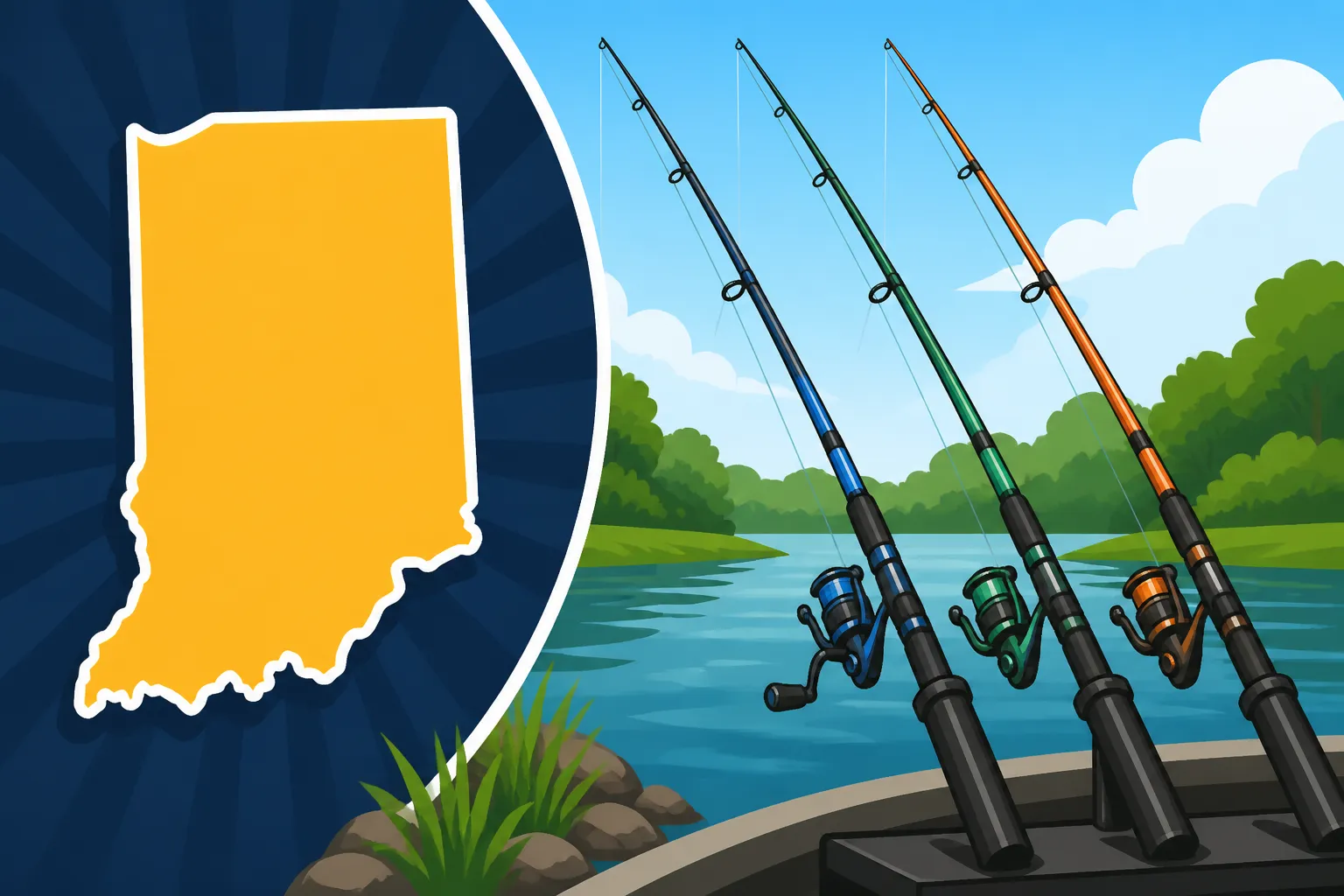
For most of Indiana's lakes, rivers, and streams, a recreational angler is generally limited to using three fishing poles or lines at any given time. This means whether you're casting from shore, wading in a stream, or fishing from a boat on your favorite inland lake like Patoka Lake or Monroe Lake, you're expected to stick to that limit. It’s important to remember that this isn't just about the rods you have with you; it's about the number of lines actively in the water, being fished. If you have five rods in your boat, but only three are rigged and being used, you're usually in the clear. The moment a fourth line hits the water, that's when you could potentially run into trouble.
This rule is designed with practicality and conservation in mind. Imagine a small pond where everyone decides to drop in a dozen lines each – it would quickly become a tangled mess, and the fish would be stressed, not to mention the challenge of managing all those lines effectively. It also gives every angler a more equal shot at catching fish, rather than letting a few dominate the water with an excessive number of lines. When you head out to places like Brookville Lake for some crappie, keeping this three-line limit in mind will keep you compliant and make your fishing experience more enjoyable.
It's easy to get caught up in the excitement of a bite and forget how many lines you have out. We've all been there, especially when the fish are really biting! But staying mindful of this limit is key. It applies to all types of recreational fishing, whether you're targeting largemouth bass with multiple rigs, setting out different baits for catfish, or simply enjoying a peaceful afternoon chasing panfish. The intent is to keep fishing accessible and sustainable for everyone.
What Counts as a "Line" or "Pole"?
This is where some anglers find themselves scratching their heads. Does a trotline count? What about jug fishing? The Indiana DNR specifies "fishing poles or hand lines." A fishing pole is obvious – it's the rod and reel setup we all know and love. A hand line refers to a line fished directly by hand, without a rod. These are both included in the three-line limit for recreational anglers.
Things like trotlines, set lines, and jug fishing setups are generally treated differently under Indiana law and often require special permits or fall under specific regulations that are separate from the standard recreational pole-and-line limits. For instance, while you might be limited to three rods for active fishing, certain methods for catfish, like trotlines or jug fishing, have their own distinct rules regarding the number of devices, hook limits, and specific locations where they can be used. It's crucial not to confuse these methods with your standard rod and reel limit. Always check the current Indiana Fishing Regulations and Bag Limits Guide to ensure you're compliant with any specialized fishing techniques you plan to use.
So, when you're thinking about your three-line limit, focus on those active, attended rods or hand lines. This typically means the gear you're actively holding, or that's within your immediate reach and attention, ready to respond to a bite. If you're setting up for a specific species, like using different jigs for walleye or multiple bottom rigs for catfish, just ensure your total active lines don't exceed that magic number three.
Special Considerations and Exceptions
While the three-line rule is the general standard, Indiana's diverse fishing environments mean that some specific locations or situations come with their own unique guidelines. It's always a good idea to be aware of these exceptions, especially if you venture to different parts of the state.
Lake Michigan Regulations
The mighty waters of Lake Michigan are a world unto themselves when it comes to fishing regulations in Indiana. Because it's such a large, unique fishery that spans multiple states, it often has different rules to manage its diverse fish populations, especially for species like salmon and trout. If you're planning a trip to the Indiana shoreline of Lake Michigan, perhaps for the exciting fall salmon run, you'll find that the rod limit is indeed different.
On Lake Michigan, including its tributaries up to the first dam or obstruction, anglers are permitted to use up to three main fishing lines, each of which can have up to three hooks or lures attached. This means you can effectively fish with nine hooks in the water per person, spread across three lines. This is a significant difference from the inland waters' more restrictive three-pole, three-hook-total rule. This expanded allowance is primarily due to the vastness of Lake Michigan and the specific techniques often employed for species like Chinook salmon, Coho salmon, and steelhead, which often involve multiple lures or dodgers on a single line to mimic schools of baitfish. You might see anglers out in boats with multiple downriggers and planer boards, each managing a complex spread of lines – but they are still adhering to the three main line rule, even with multiple lures per line. For more detailed information, check out Lake Michigan Fishing Rules for Indiana Anglers.
It’s crucial to understand this distinction. Fishing Lake Michigan demands different gear and strategies, and the regulations reflect that. Don't assume the inland lake rules apply here, or you could inadvertently find yourself facing a penalty. Whether you're casting from the piers in Michigan City or trolling offshore, knowing these specific rules for the Lake Michigan basin is essential for a legal and successful outing.
Reciprocity Agreements with Bordering States
Indiana shares borders with several other states, and sometimes, our waterways extend across these boundaries. This often leads to questions about fishing license reciprocity and, naturally, rod limits. While Indiana does have reciprocity agreements for fishing licenses with states like Ohio, Michigan, Illinois, and Kentucky on specific border waters, it's vital to understand what those agreements cover.
Generally, these reciprocity agreements mean that if you possess a valid fishing license from Indiana or a bordering state, you might be allowed to fish specific shared waters (like the Ohio River, or certain parts of the Wabash River that form a border) without needing a license from both states. However, these agreements almost universally specify that you must still abide by the fishing regulations of the state in which you are physically fishing, or where your lines are deployed. This means that even if your Ohio license is valid on a shared stretch of river, if you're casting from the Indiana bank or your lines drift into Indiana waters, Indiana's rod limits apply. This can get tricky, so it's always best to consult the most current Indiana Fishing Regulations and, if possible, the regulations of the bordering state as well.
To avoid any potential headaches, particularly when fishing border rivers, it's often wise to err on the side of caution and adhere to the more restrictive rule if there's any ambiguity. For example, if Indiana limits you to three lines and Kentucky allows five, and you're fishing a shared portion of the Ohio River from the Indiana side, stick to three. This proactive approach ensures you're always within the bounds of the law, regardless of subtle jurisdictional shifts. When in doubt, call the Indiana DNR or visit their website for clarification on specific border water rules. You can find more details on Indiana Fishing License Reciprocity With Ohio and similar articles for other states.
Practical Advice for Multi-Rod Anglers
Fishing with multiple rods can definitely increase your chances of success, allowing you to cover more water, present different baits, or target various depths simultaneously. However, doing it effectively and safely, while staying within the rules, requires a bit of strategy and careful planning.
Setting Up Your Spread Safely
Managing multiple rods, even just three, can quickly become a tangled mess if you're not organized. The key is to think about your "spread" – how you position your rods and lines to maximize coverage without creating chaos. If you're bank fishing, using rod holders or spike holders can be incredibly helpful. This keeps your rods secure, prevents them from being pulled into the water by a strong fish, and ensures your lines are spaced out. For boat fishing, secure rod holders are a must. Consider using different rod lengths or bait presentations for each rod to keep your lines from crossing. For example, one rod might be rigged for bottom fishing, another for a bobber setup, and a third for casting and retrieving.
Think about the species you're targeting. If you're after catfish, having two rods with cut bait on the bottom and one rod with a bobber and live bait for suspended fish might be a great tactic. For bass, you might have one rod with a Texas rig, another with a spinnerbait, and a third with a topwater lure, ready for different situations. This allows you to quickly switch tactics without having to re-tie everything. Brands like Bass Pro Shops offer a wide range of rod holders and specialized tackle that can help you organize your multi-rod setup, whether you prefer a minimalist approach or a more elaborate fishing station.
Another safety tip: always keep an eye on all your lines. A bite can happen on any rod at any time, and you don't want to miss a fish or, worse, have a rod go overboard. If you're fishing alone, juggling three active rods can be a challenge, especially when landing a fish on one while another gets a bite. Practice makes perfect, but always prioritize safety and managing your gear responsibly.
Choosing the Right Tackle for Multiple Rods
When you're fishing with multiple rods, it's not just about the number of lines, but also about the variety of tackle you're deploying. This is where you can really fine-tune your approach to the conditions and target species. For example, if you're trying to figure out what the walleye are biting on in one of Indiana's glacial lakes, you might use one rod with a jig, another with a crankbait, and a third with a live minnow under a slip bobber. This increases your chances of finding what works best on a given day.
Having a diverse tackle box is crucial. You might need different line weights, hook sizes, or lure types for each rod. For panfish, ultralight setups are ideal, while for muskie, you'll need heavy-duty gear and wire leaders. Websites like Amazon can be a great resource for comparing different brands and types of tackle, from specialized jigs for crappie to durable rods designed for big catfish. Many anglers keep pre-rigged leaders or different bait containers ready to quickly swap between rods as conditions or bites dictate.
Consider the presentation as well. One rod might be a stationary bait rig, while another is for active casting and retrieving. Having a plan for each rod's purpose before you even hit the water can make your multi-rod fishing experience much more efficient and enjoyable. This thoughtful approach ensures you're not just throwing more lines in the water, but strategically increasing your chances of a successful and legal fishing trip.
Staying Compliant and Informed
Knowing the rules is one thing; consistently applying them and staying up-to-date with any changes is another. Fishing regulations aren't static; they can change based on biological assessments, public input, or environmental factors. As responsible anglers, it's our duty to stay informed.
Understanding Enforcement and Penalties
Fishing without a proper understanding of the rules, including rod limits, can lead to unpleasant encounters with conservation officers. These officers are out on the water to protect Indiana's natural resources and ensure everyone is playing by the rules. If you're caught exceeding the rod limit, the consequences can range from a warning to a citation and fine. The severity often depends on the officer's discretion, whether it's a first offense, and the extent of the violation. A casual mistake might warrant a warning, but a blatant disregard for the rules could lead to a more significant penalty. You can learn more about this in articles like What Happens If You Fish Without a License in Indiana?, which often details penalties for other violations too.
It's important to remember that ignorance of the law is generally not an excuse. Even if you genuinely didn't know about a specific rule, you're still responsible for adhering to it. This is why it's so critical to regularly check the official sources for regulations. Conservation officers are generally helpful and happy to answer questions, but it's always best to be informed before they have to inform you of a violation. They appreciate anglers who make an effort to be compliant.
The goal of enforcement isn't just to punish, but to educate and deter behavior that could negatively impact our fisheries. By adhering to rod limits and other regulations, you're not only protecting yourself from penalties but also contributing to the health and sustainability of Indiana's fantastic fishing opportunities for everyone.
Where to Find Official Regulations
The most reliable source for current and accurate fishing regulations in Indiana is always the Indiana Department of Natural Resources (DNR). They publish a comprehensive fishing guide annually, which outlines all the rules, including license requirements, bag limits, length limits, and, of course, rod limits. This guide is usually available online as a downloadable PDF, and physical copies can often be picked up at license vendors, state parks, and DNR offices.
The DNR website is your best friend for real-time updates and clarification. Don't rely solely on word-of-mouth or old printouts, as regulations can change. For example, specific lake-by-lake exceptions or rule adjustments might be posted online before they appear in the next annual guide. When you're buying your Indiana Fishing License Requirements Explained, whether online or in person, take a moment to review the latest regulations.
| Fishing Location | Standard Rod Limit (Recreational) | Hooks/Lures Per Line | Notes |
|---|---|---|---|
| Inland Lakes & Rivers | 3 Lines | 1 (per line) | Includes most Indiana waters |
| Lake Michigan & Tributaries | 3 Lines | Up to 3 (per line) | Unique rules for this large fishery |
| Border Waters | Varies by state you're in | Varies | Check rules for state where lines are cast |
By proactively checking the official DNR resources, you ensure that your fishing adventures are always within legal bounds. It’s a small effort that pays off big, giving you peace of mind and letting you focus on the joy of the catch, rather than worrying about potential fines.
Disclaimer
This article is for general informational purposes only and does not constitute professional advice. Laws, prices and regulations vary by location and change over time. Consult a qualified professional for guidance on your specific situation.