Best Throwable Cushions for Boats Over 16 Feet
There's nothing quite like a day out on the water in Indiana, whether you're chasing bass on Monroe Lake or trolling for salmon on Lake Michigan. But as much as we love the thrill of the catch, we all know that safety comes first. One often-overlooked but absolutely critical piece of gear for anyone with a boat over 16 feet is the throwable cushion, also known as a Type IV PFD. It's not just a suggestion; it's a requirement, and understanding what makes a good one can truly be a lifesaver. This guide will help you navigate the essential features of throwable cushions, ensuring you’re both compliant and prepared for any unexpected emergency on the Hoosier waters.
Understanding Indiana's Throwable Life Jacket Requirements
Navigating Indiana's waterways means adhering to specific safety regulations, and one of the most consistently misunderstood is the requirement for throwable personal flotation devices (PFDs). Many boaters assume that having enough wearable life jackets for everyone on board is sufficient, and while those are indeed crucial, they don't cover all the bases. The Indiana Department of Natural Resources (IDNR), following U.S. Coast Guard guidelines, mandates an additional piece of equipment for certain vessels, and it's a rule designed for quick, emergency response. This isn't just bureaucratic red tape; it's a common-sense measure to provide immediate assistance when someone unexpectedly goes overboard.
Why Throwable Devices Are Mandatory for Larger Vessels
Imagine a scenario: you're cruising along the Tippecanoe River with friends, enjoying the sunshine, when suddenly, someone loses their balance and tumbles into the water. Even if they're a strong swimmer and wearing a life jacket, getting them back to the boat, especially if they're injured or the current is strong, can be challenging. This is precisely where a throwable device shines. It's designed to be deployed instantly, providing flotation to a conscious person in the water much faster than trying to don a life jacket, which might be stowed away or difficult to put on in an emergency. It serves as a visual marker in the water, too, making it easier to track the person. Plus, it can be grasped by multiple people or even used as a cushion to rest on while waiting for rescue. For a full rundown on general safety, make sure you've reviewed the Indiana Boater Safety Gear Checklist.
When we talk about "larger vessels," Indiana's regulations align with federal standards, which specify boats that are 16 feet in length or longer. This length measurement is taken from bow to stern, excluding any accessories like swim platforms or bowsprits. This means if you're operating anything from a modest bass boat to a large pontoon or a cabin cruiser on Lake Michigan, a throwable device isn't optional – it's a legal necessity. Failing to have one could result in a citation during a safety inspection, but more importantly, it leaves you inadequately prepared for a real emergency. It’s also important to understand that this requirement is in addition to the wearable life jackets, not a replacement. So, for every person on your boat, you still need an appropriately sized, U.S. Coast Guard-approved wearable PFD. For more information on this, check out our guide on How Many Life Jackets Do You Need on an Indiana Boat.
The Specifics: What "Over 16 Feet" Actually Means
Let's get down to the nitty-gritty of boat length. The "over 16 feet" rule for throwable devices can sometimes cause confusion. It's not about the overall length with a motor or trailer; it's the hull length. So, if your boat's hull measures exactly 16 feet, you still need a throwable device. If it's 15 feet and 11 inches, you technically don't, though having one is always a good idea for any boat size. This rule primarily applies to recreational motorboats, sailboats, and canoes/kayaks that exceed this length. Smaller boats, like many fishing kayaks or small jon boats under 16 feet, are typically only required to carry a wearable PFD for each person on board. However, safety is paramount, and voluntarily carrying a throwable device on any vessel is a smart practice. Remember, a life jacket's job is to keep you afloat if you're in the water, but a throwable device's job is to help you get to someone in the water quickly, providing immediate aid. This distinction is critical for understanding its purpose and why it’s a separate requirement.
Consider the common sight of a large pontoon boat on Geist Reservoir or a fishing boat heading out for Lake Michigan Salmon and Steelhead Run Guide in Indiana. These vessels are almost certainly over 16 feet. While the primary purpose of a throwable cushion is safety, many modern designs are also quite comfortable to sit on, making them serve a dual purpose during a leisurely day. Just be sure not to block access to it or treat it only as a seat, especially if it becomes waterlogged and less effective as a flotation aid. This also goes for ensuring your other safety gear is up to snuff; make sure to check Indiana Life Jacket Requirements for Every Boater to ensure compliance with wearable PFDs as well.
What Makes a Throwable Cushion "Best"? Key Features to Look For
When you're out there, whether it's on the calm waters of a local pond or battling the chop on Best Boats for Rough Water on Lake Michigan, the equipment you bring really matters. A throwable cushion isn't just any old boat accessory; it's a piece of critical safety gear. So, picking the "best" one isn't about style or brand; it's about functionality, reliability, and how well it performs when you need it most. You want something that will actually save a life, not just look good stowed in the bow.
Buoyancy and US Coast Guard Approval
The absolute most important feature of any throwable cushion is its ability to float and keep someone afloat. This isn't something you can guess at. You need a cushion that is explicitly approved by the U.S. Coast Guard (USCG) as a Type IV PFD. This approval guarantees that the device meets stringent standards for buoyancy, materials, and visibility. A typical Type IV throwable cushion provides at least 16.5 pounds of buoyancy, which is enough to keep an adult's head above water. Without this certification, you're not only non-compliant with Indiana boating laws, but you're also putting lives at risk. Always look for the USCG approval stamp directly on the cushion itself or on an attached tag.
When you're shopping, whether you're browsing the aisles at Bass Pro Shops or looking through options on Amazon, always prioritize this certification. Don't fall for cheaper, uncertified imitations. They might look similar, but they won't provide the same level of safety and could even be dangerous in an emergency. Remember, an unapproved device is essentially just a cushion, not a life-saving device in the eyes of the law or, more importantly, in the face of a real emergency. This applies to all PFDs; you can learn more in our guide Can You Use an Old Life Jacket on an Indiana Boat?.
Durability, Material, and Color Considerations
A throwable cushion is exposed to the elements: sun, water, dirt, and often gets tossed around or sat upon. Therefore, durability is key. Look for cushions made from robust, marine-grade fabrics like vinyl or nylon that are resistant to UV damage, mildew, and tears. Sturdy stitching and reinforced handles are also vital, as these are the points that will be grabbed in a rescue situation. You don't want a handle tearing off when someone's life depends on it.
Color is another often-underestimated factor. Opt for bright, highly visible colors like orange, yellow, or lime green. These colors stand out dramatically against the water, especially in choppy conditions or low light, making it easier for the person in the water to spot the cushion and for rescuers to locate both the person and the device. Imagine trying to spot a faded blue cushion in the vastness of Lake Monroe; it would be nearly impossible. Some cushions even come with reflective strips, which can be an added bonus for night operations, though for true night visibility, other gear like proper lighting and a marine radio, as detailed in Best Marine Radios for Lake Michigan Boaters, would be necessary. Always consider how visible the cushion will be against typical Indiana lake and river colors.
Ergonomics and Ease of Throw
The best throwable cushion is one that can be deployed quickly and accurately. This means considering its size, shape, and overall "throwability." Most throwable cushions are square or rectangular, which offers a good balance of buoyancy and ease of handling. They should be relatively flat and firm enough to maintain their shape during a throw, preventing them from tumbling erratically in the air. Having a simple grab strap or handle built into the design can significantly improve your ability to get a good grip and make an effective throw.
Practicing throwing your cushion in a controlled environment is highly recommended. You'd be surprised how difficult it can be to accurately throw a cushion to a moving target, especially under pressure or in windy conditions. The goal isn't just to get it near the person; it's to get it close enough for them to easily grab it. A cushion that's too bulky, too flimsy, or lacks any kind of ergonomic design for throwing will be a hindrance, not a help. Think about the motion: you want something you can easily swing and release with force and precision.
Popular Types of Throwable Cushions and Where to Find Them
When it comes to throwable PFDs, the market offers a few variations, each with its own advantages and disadvantages. While the classic square cushion is the most common and versatile, understanding your options can help you choose the best fit for your specific boat and boating activities in Indiana. No matter what type you choose, accessibility is paramount.
Classic Square Cushions vs. Ring Buoys
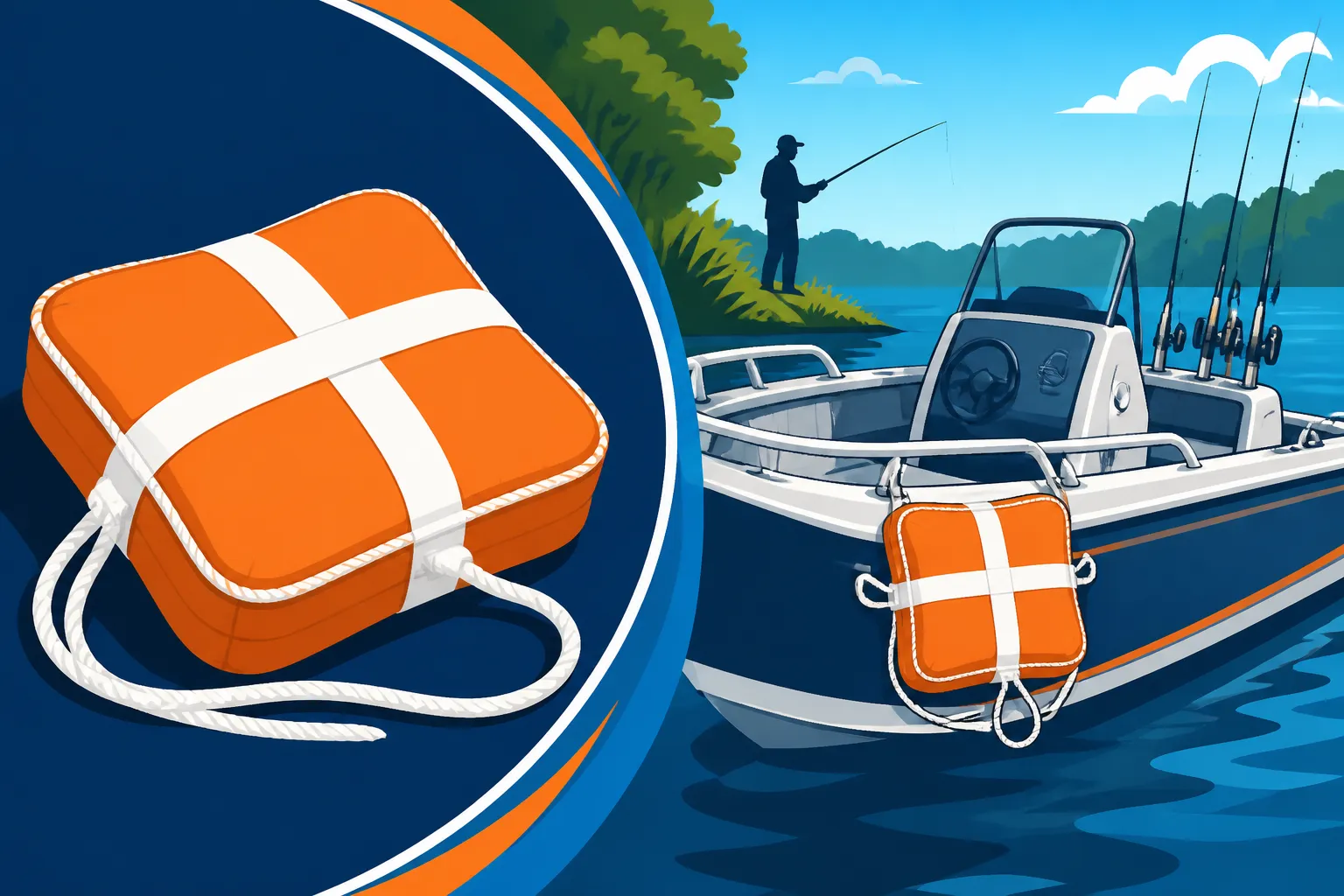
The classic square or rectangular throwable cushion is by far the most popular choice for recreational boaters. These cushions are versatile; they can be used for flotation, as a temporary seat, or even as padding. Their flat shape makes them relatively easy to throw, especially if you practice your technique. They often come with a webbing strap around the perimeter, providing multiple grab points for someone in the water. Many anglers appreciate them because they can be tucked away easily or even double as a comfortable seat on a long fishing trip. They are readily available at marine supply stores, outdoor retailers like Bass Pro Shops, and online marketplaces like Amazon, often in various colors and designs, always with that crucial USCG Type IV approval.
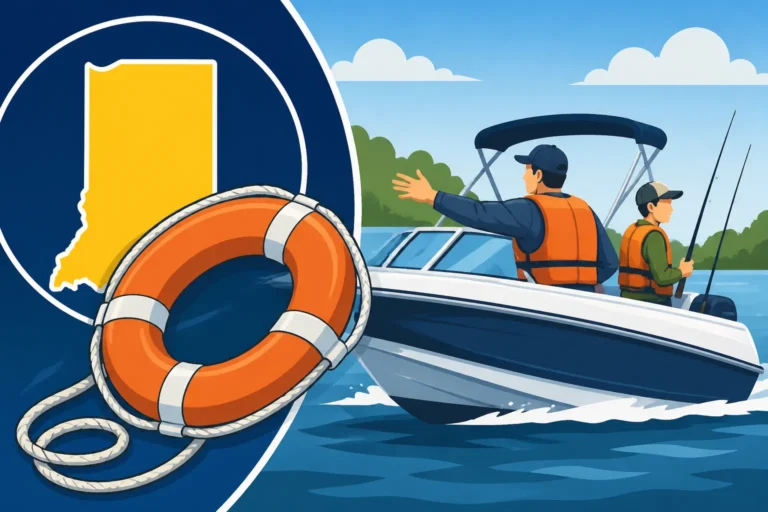
Ring buoys, also known as life rings or horseshoe buoys, are another common type of Type IV throwable device. These are typically round or horseshoe-shaped, made of hard foam or plastic, and are often attached to a long retrieval line. They are excellent for providing a stable, large flotation device that someone can easily get their entire body inside, offering more support than a cushion. They are particularly favored on larger vessels or commercial boats where a more substantial flotation aid might be needed, or where a dedicated retrieval system is already in place. The attached line allows for multiple attempts at throwing and also for pulling the person back to the boat once they've secured the buoy. While effective, they are generally bulkier than cushions and might not be as easy to store on smaller recreational boats.
Here's a quick comparison of the two main types of throwable devices:
| Feature | Classic Square Cushion | Ring Buoy (Life Ring) |
|---|---|---|
| Shape | Square, rectangular, flat | Round or horseshoe |
| Buoyancy | 16.5 lbs (typical for USCG Type IV) | 16.5 lbs or more |
| Ease of Throw | Good, but can be affected by wind | Good, often comes with a retrieval line for accuracy |
| Storage | Easy to stow, can double as a seat | Bulkier, often requires dedicated mounting or storage |
| Visibility | High-visibility colors available | High-visibility colors, often larger and more noticeable |
| Primary Use | Quick, immediate flotation for conscious person | Stable flotation, often with retrieval capabilities |
| Comfort | Can be sat on (reduces lifespan if often used as seat) | Not designed for sitting |
| Cost | Generally lower | Can be slightly higher, especially with retrieval lines |
| Availability | Widely available at most marine/outdoor stores & online | Widely available, more common in dedicated marine shops |
Considerations for Storage and Accessibility
Having the best throwable cushion in the world won't do you any good if you can't get to it in an emergency. Accessibility is paramount. Indiana regulations, mirroring federal guidelines, require that throwable devices be "readily accessible." This means they can't be stowed in a locked compartment, buried under a pile of gear, or wrapped in a tight cover that takes precious seconds to remove.
Think about where you keep it:
- On a dedicated hook or strap: Many boats have designated spots for life rings or cushions, making them easy to grab.
- Under a seat: If it's under a seat, ensure that the seat cushion itself is a Type IV PFD and can be easily pulled out and thrown. Otherwise, a cushion stowed under a non-flotation seat might not be considered "readily accessible" if it takes effort to retrieve.
- In an open compartment: A compartment that's not locked and easily reached from the helm or cockpit is acceptable.
The key is that you should be able to grab it and throw it within a few seconds of someone going overboard. When you're considering your Indiana Boater Safety Gear Checklist, always factor in the placement of your throwable. Don't let your "best" cushion be rendered useless by poor storage choices. Also, consider the specific type of boat you have. A small runabout might only have space for a single cushion, while a larger cabin cruiser might be able to accommodate a ring buoy with a dedicated mount. Regardless of type, ensuring it's always ready to go is more important than where it looks best.
Practical Tips for Using and Maintaining Your Throwable Cushion
Owning a throwable cushion is one thing; knowing how to use it effectively and keeping it in prime condition is another. Many boaters simply let their throwable device sit, hoping they'll never need it. But like any piece of emergency equipment, a little preparation goes a long way. This isn't just about passing an inspection; it's about being genuinely ready for a sudden emergency on Indiana's diverse waterways, from the placid waters of Lake Wawasee to the bustling currents of the Ohio River.
Practicing the "Throw" – It's Not as Easy as It Looks
It might sound silly, but practicing throwing your throwable cushion is perhaps the most valuable tip we can give you. When an actual emergency strikes, adrenaline will be pumping, your boat might be moving, and the person in the water could be struggling. Trying to make an accurate throw under those conditions for the first time is a recipe for disaster.
Here’s how to practice:
- Simulate an overboard scenario: Pick a large, floating object (like a milk jug or a bright buoy) and toss it into the water a reasonable distance from your boat.
- Practice from different angles: Try throwing from the helm, the bow, and the stern. This simulates real-world conditions where the person might fall off from various points.
- Account for wind and current: These elements will significantly affect your throw. Practice on a breezy day or in a mild current to get a feel for how to compensate. Aim slightly upwind or upstream from your target.
- Aim for beyond the person: You want the cushion to land slightly past the person in the water, allowing it to drift back to them. Trying to hit them directly can be difficult and even injure them.
- Practice retrieving: If your throwable has a line, practice reeling it back in. This is especially important for ring buoys.
Making these practice throws will build muscle memory and confidence. It teaches you how the cushion behaves in the air and on the water. You'll quickly learn that a precise throw is often a two-handed operation, getting your body into it for power and accuracy. Remember, seconds count in a man overboard situation, and a well-placed throwable device can make all the difference. While practicing, ensure you're in a safe area, away from other boaters or swimmers.
Keeping Your Cushion in Top Condition
A throwable cushion is only effective if it's in good working order. Over time, exposure to sun, saltwater, and general wear and tear can degrade its materials, reduce its buoyancy, or weaken its straps. Regular inspection and proper maintenance are essential for ensuring it's always ready for use.
Here's what to do:
- Regular Inspections: Before each boating season and periodically throughout, give your throwable cushion a thorough once-over. Check for:
- Tears or punctures: Even small holes can compromise buoyancy over time.
- Fading: Excessive fading can indicate UV damage, which might weaken the fabric.
- Weakened straps or handles: Tug on them to ensure they're still securely attached.
- Mildew or mold: Clean any growth promptly to prevent material degradation.
- Hardening or crumbling foam: This is a sign the internal flotation material is breaking down.
- Cleaning: If your cushion gets dirty, clean it with mild soap and water, then rinse thoroughly. Allow it to air dry completely in a shaded area before storing it, as direct sunlight can accelerate material degradation.
- Proper Storage: While your cushion needs to be "readily accessible" while boating, when your boat is docked or stored for the off-season, protect it from prolonged exposure to harsh UV rays and extreme temperatures. Storing it in a cool, dry place can significantly extend its lifespan. Don't stack heavy items on it, as this can compress the flotation material.
- Replacement: Just like any other safety gear, throwable cushions don't last forever. If you notice significant signs of wear, damage, or degradation, it's time to replace it. A compromised cushion is a false sense of security. The few dollars saved by not replacing an old, worn-out cushion are not worth the potential cost in an emergency. You can find replacement cushions easily on Amazon or at your local Bass Pro Shops. For related information on checking your boat before launching, take a look at What to Check Before Launching a Boat.
By following these practical tips, you ensure that your throwable cushion remains a reliable, life-saving piece of equipment, ready to serve its purpose whenever the unexpected happens on Indiana's beautiful waters.
Disclaimer
This article is for general informational purposes only and does not constitute professional advice. Laws, prices and regulations vary by location and change over time. Consult a qualified professional for guidance on your specific situation.