Bass Fishing Techniques for Pre-Spawn and Post-Spawn
It’s a tale as old as time for Indiana anglers: you know the bass are in the lake, you know they’re preparing for or recovering from the spawn, but getting them to actually bite during these transitional periods can feel like cracking a secret code. The shift from cold water to warming trends and back again creates a challenging puzzle. This comprehensive guide is designed to unravel that mystery, providing you with detailed techniques, essential gear recommendations, and strategic insights to successfully target and reel in largemouth and smallmouth bass during both the pre-spawn staging and post-spawn recovery phases in Indiana waters.
Understanding the Bass Spawning Cycle in Indiana
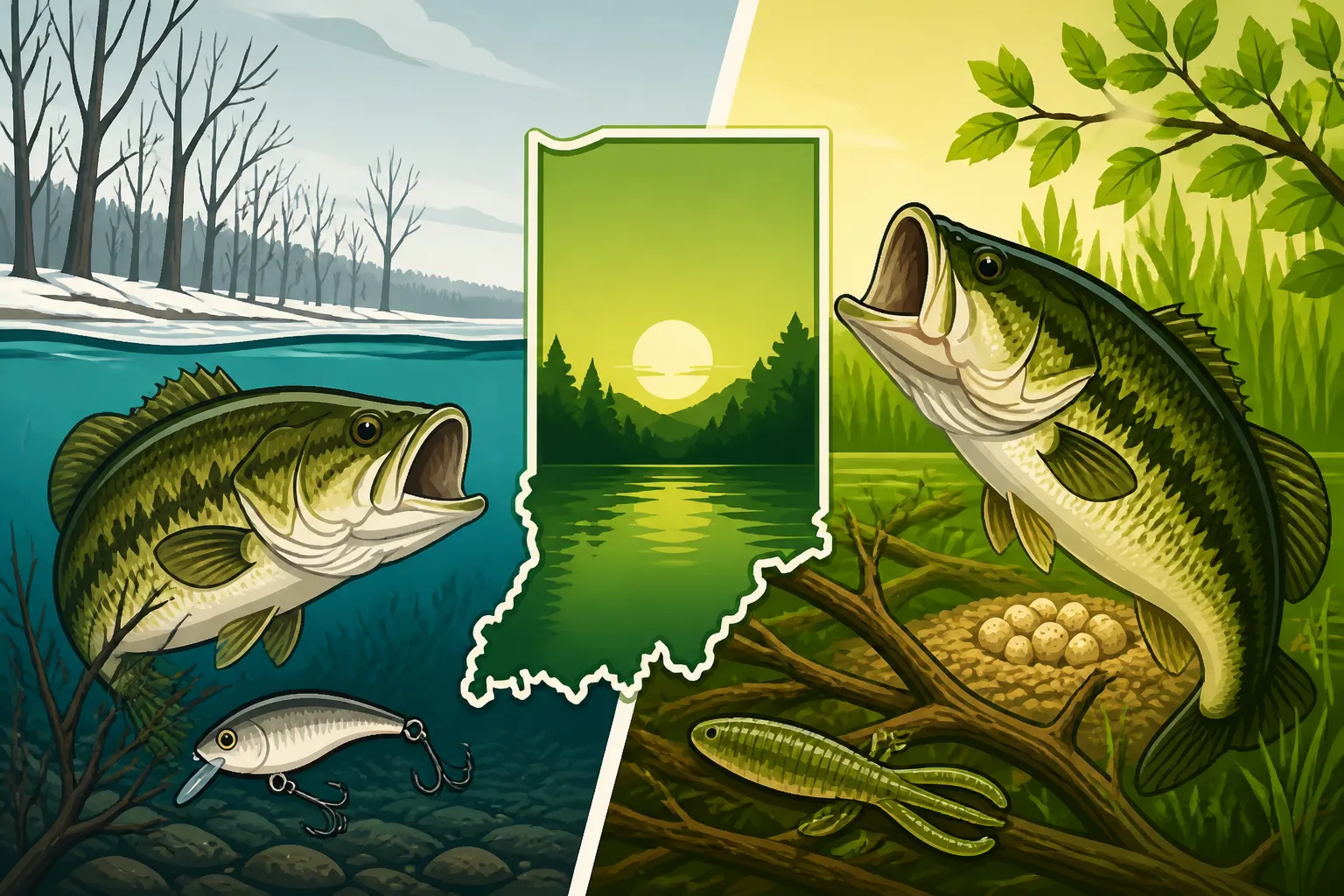
Before we even talk about specific techniques, it's absolutely crucial to understand the driving force behind bass behavior: the spawn. This annual ritual dictates their feeding patterns, their locations, and their overall mood. In Indiana, the timing can vary slightly depending on the region and the specific water body, but the fundamental stages remain the same, each presenting its own unique opportunities and challenges for anglers.
The Urgency of Pre-Spawn Bass
The pre-spawn period is a truly exciting time for bass anglers in Indiana. Think of it as the bass equivalent of loading up on groceries before a big holiday feast. Before they commit to the energy-intensive process of spawning, both male and female bass go on a feeding frenzy, trying to pack on as much weight and energy as possible. This makes them incredibly aggressive and often willing to chase down a meal.
During this phase, typically triggered by water temperatures climbing into the high 40s and low 50s, bass begin to migrate from their deeper wintering grounds towards shallower spawning flats. They won't be on the beds yet, but they'll be staging in areas that offer easy access to those shallower zones, often points, humps, or channel swings leading into coves. They're looking for warmer water, easy meals, and shelter, all while keeping a close eye on those ideal spawning temperatures. Knowing the optimal water temperature for bass fishing in Indiana is key to identifying this period. If you can locate these "staging areas," you're in for some fantastic action, as these fish are often concentrated and hungry.
The Exhaustion of Post-Spawn Bass
Once the spawn is over, it’s a whole different ballgame. Imagine running a marathon – you're not going to feel like sprinting right after crossing the finish line, are you? That's precisely how post-spawn bass feel. They've expended an enormous amount of energy protecting nests, fanning eggs, and, for the females, laying them. This period, which usually sees water temperatures in the mid-to-high 60s and even into the 70s, is marked by lethargy and recovery.
Initially, after leaving the beds, many bass will linger in slightly deeper water nearby, often seeking shade or dense cover to recuperate. They're not actively chasing down food with the same fervor as pre-spawn fish. Their bites can be incredibly subtle, and they often prefer smaller, easier meals. This is when the angler needs to shift gears entirely, moving from aggressive power fishing to more subtle, finesse-oriented approaches. Understanding these Bass Post-Spawn Patterns in Indiana is critical for continued success, as trying pre-spawn tactics will likely leave you frustrated.
Pre-Spawn Bass Fishing Techniques and Lures
Successfully targeting pre-spawn bass requires a specific mindset and tackle selection. These fish are driven by hunger and a biological imperative, making them predictable in their movements but requiring the right presentation to trigger a strike.
Locating Pre-Spawn Staging Areas
Finding pre-spawn bass is all about understanding their migration routes. They're not just randomly swimming around; they're moving from their deep winter homes to the shallower spawning grounds. Your job is to intercept them along that journey. Look for primary and secondary points, particularly those with access to deep water and a gradual slope up to a flat. Submerged humps, channel swings near shallow flats, and transitions in bottom composition (like a rock bed meeting mud) are also prime real estate. Think about areas that will warm up first when the sun hits them, offering bass a comfortable spot to hang out.
For instance, on a lake like Monroe Lake, a large reservoir in southern Indiana, bass will stage on points extending out from large coves before moving into the shallower back sections to spawn. These points often have brush piles or rock outcroppings that offer excellent cover. On smaller, natural lakes in northern Indiana, like those in Kosciusko County, look for the edges of deep basins that transition quickly into shallower weed lines or hard-bottom flats. Bass will often congregate along these breaks, waiting for the water temperature to nudge up a few more degrees.
Best Lures for Aggressive Pre-Spawn Bites
Since pre-spawn bass are actively seeking big meals, your lure selection should reflect that. This is the time for "power fishing" tactics.
- Diving Crankbaits: Medium to deep diving crankbaits in shad, crawfish, or chartreuse patterns are absolute killers. Crank these lures aggressively along points, over humps, and through channel swings. The deflections off structure often trigger reactionary strikes from hungry bass. Experiment with different retrieve speeds, sometimes a sudden stop-and-go is all it takes.
- Jerkbaits: Long, slender jerkbaits that suspend in the water column are phenomenal in cooler pre-spawn water. Cast them out, crank them down to depth, and then impart a series of jerks, followed by a long pause. That pause is crucial – it often gives the bass enough time to commit to the strike. Silver, clown, or natural shad patterns are excellent choices.
- Bladed Jigs (Chatterbaits): These lures combine the flash of a spinnerbait with the erratic action of a crankbait. They displace a lot of water and create a strong vibration, making them easy for bass to locate in stained water or during low-light conditions. Fish them with a steady retrieve, bumping them off any cover you encounter. A soft plastic swimbait or grub trailer can enhance their action. You can find a huge variety of these on Amazon, often with great deals if you buy multi-packs.
- Jigs and Trailers: A classic jig-and-pig combination, or a heavy football jig with a craw-style trailer, is deadly for working slower and deeper staging areas. Pitch these into brush piles, laydowns, or over rock piles. The key is to feel the bottom and detect those subtle taps. Black and blue, green pumpkin, and crawfish patterns are perennial favorites. Learning How to Rig a Jig for Largemouth Bass is a skill that will pay off dividends during this period.
- Texas-Rigged Soft Plastics: For covering water and probing thicker cover, a Texas rig with a creature bait or a large worm is hard to beat. The weedless nature of the Texas rig allows you to fish through thick brush or submerged timber without snagging. This is another area where you'll find an extensive selection on Amazon, from different weights to various plastic shapes and sizes. If you're looking to refine your presentation, check out our guide on How to Fish a Texas Rig for Bass.
Effective Presentation Strategies
Your presentation is just as important as your lure choice during the pre-spawn. These fish are often concentrated, but they might be holding tight to cover or hugging the bottom.
- Slow Rolling and Bottom Contact: Many pre-spawn bass are still somewhat lethargic from winter, even if they're hungry. A slow, methodical retrieve that keeps your lure in the strike zone longer is often best. When using jigs or Texas rigs, ensure you're maintaining constant bottom contact. Dragging, hopping, and subtle shaking can often entice a strike when a faster retrieve won't. If you're trying to fish a spinnerbait, a slow roll through deep timber or over points can be incredibly effective.
- Targeting Specific Cover: Don't just cast blindly. Use your electronics to identify key pieces of structure like stumps, rock piles, or isolated brush. Make multiple casts to these areas from different angles. Bass will often position themselves on the "down-current" side of structure, out of the main flow, or on the sunny side of a log to absorb warmth. The Best Bass Fishing Techniques for Pre-Spawn often involve precise casting to these specific targets.
- The Power of the Pause: With jerkbaits especially, but also with crankbaits and jigs, pauses are critical. A bass following your lure might need that moment of suspension or stillness to decide to strike. Vary the length of your pauses; sometimes a short twitch-twitch-pause is best, other times a long, drawn-out pause of several seconds will trigger the bite. Patience is a virtue here, even with aggressive fish.
Post-Spawn Bass Fishing Techniques and Lures
After the spawn, bass behavior shifts dramatically. The frenzied feeding gives way to recovery, and they become much more challenging to catch. You need a different set of tactics to succeed.
Finding Recuperating Post-Spawn Bass
Post-spawn bass often move to deeper, cooler water, especially during the heat of the day. They're looking for areas with good cover, shade, and easy access to baitfish schools. Don't expect to find them cruising the flats like you did in pre-spawn.
Look for main lake points and humps where bass can stage offshore, often deeper than their pre-spawn counterparts. Pay attention to dense submerged weed lines or deep timber. Bass will often relate to the deepest, shadiest parts of these structures. Additionally, they might follow baitfish schools into deeper creeks or river channels. On a sprawling reservoir like Patoka Lake, for instance, you'll want to focus on offshore humps and channel edges, or the shady sides of standing timber. The key is to remember they're still interested in eating, but they're not going to expend a lot of energy to do it.
Lures for Finicky Post-Spawn Bass
Since post-spawn bass are less aggressive and more interested in an easy meal, finesse presentations and lures that mimic struggling baitfish or crustaceans are often more effective.
- Finesse Worms and Drop Shots: Small, straight-tail worms fished on a shaky head jig or a drop shot rig are deadly for these finicky fish. The subtle action of a finesse worm is often enough to entice a strike without overpowering a recovering bass. Fish these slowly around deep cover, focusing on subtle twitches and long pauses. The drop shot allows you to present a bait at a specific depth, hovering tantalizingly in front of a bass's face.
- Small Jigs and Grubs: Downsizing your jig to a 1/4 or 3/8 ounce with a small craw or grub trailer can be incredibly effective. Work these slowly along the bottom near deeper cover or around docks. Again, natural colors like green pumpkin, watermelon, or brown are usually best.
- Topwater Lures (Early/Late Day): While many post-spawn bass are deeper, early morning and late evening can bring them shallow to feed on topwater. Poppers, walk-the-dog baits, and frogs fished over weed beds or around wood can produce explosive strikes. The key is to fish them slowly and methodically, giving the bass ample time to commit. Learning How to Fish Topwater Lures for Bass at Dawn is a skill that can turn a slow day into an exciting one.
- Weightless Senkos and Soft Jerkbaits: These baits have a natural, undulating fall that is irresistible to many bass. Cast them near cover and let them sink slowly, watching your line for any twitch or jump. The weightless presentation allows for a very natural action that often triggers bites from hesitant fish. You'll find a wide selection of these versatile soft plastics on Amazon, from different brands and color patterns to suit any water condition.
- Swim Baits: Smaller, realistic swimbaits, especially those with subtle kicking actions, can imitate injured baitfish perfectly. Rig them on an unweighted hook for a super-slow presentation or on a small jig head to fish deeper. They're excellent for targeting bass that are relating to schools of shad or other forage.
Subtle Approaches for Post-Spawn Success
The name of the game for post-spawn bass is subtlety and patience.
- Slow, Deliberate Retrieves: Forget the fast-paced power fishing. Post-spawn bass want an easy meal. Your retrieves should be much slower, allowing the lure to spend more time in the strike zone. Think about what a recovering bass would want – something that looks like it's struggling or easy to catch. The Best Bass Fishing Techniques for Post-Spawn always emphasize slowing down.
- Light Line and Stealth: Using lighter fluorocarbon line (8-10 lb test) can be beneficial, especially in clear water. It's less visible to the fish and allows for more natural lure action. Additionally, practice stealth. Post-spawn bass can be easily spooked. Keep your boat quiet, make long casts, and avoid sudden movements.
- Focus on Specific Windows: While post-spawn fishing can be tough all day, there are often specific windows of activity. Early mornings, late evenings, and overcast days tend to be the most productive. During bright, sunny afternoons, bass will often burrow deep into cover. Take advantage of those low-light periods. Many anglers find the Best Time to Catch Largemouth Bass is often during these transitional times of day.
- Work the Edges: Instead of casting into the densest part of a weed bed, try fishing the edges first. Bass will often position themselves just outside the thick cover, waiting to ambush prey. This allows you to present your lure without getting constantly snagged and disturbing the area.
Environmental Factors Influencing Pre and Post-Spawn
Bass are cold-blooded creatures, and their behavior is heavily dictated by their environment. Water temperature, weather, and clarity are not just minor details; they are critical factors that can make or break your fishing trip during these transitional periods.
Water Temperature's Role
Water temperature is arguably the single most important factor influencing bass behavior, especially around the spawn. During the pre-spawn, as waters warm from the low 40s into the 50s, bass become more active and start moving towards shallower areas. The sweet spot for pre-spawn activity is often when the surface temperature consistently hits the 50-55°F range. This is when you'll find them gorging themselves. A cold snap, however, can send them retreating to deeper, more stable temperatures.
Post-spawn, the bass have moved off their beds, and while the water continues to warm into the high 60s and 70s, their recovery needs dictate their location. They'll often seek out slightly cooler, more oxygenated water found in deeper sections or areas with a lot of shade. A prolonged heatwave can push them even deeper or make them completely lethargic. Conversely, a slight dip in temperature after a hot spell might spark a brief feeding window as the water becomes more comfortable. Monitoring the Best Water Temperature for Bass Fishing in Indiana throughout these seasons is non-negotiable for consistent success.
Weather Changes and Bass Behavior
The weather above the surface has a profound impact on what's happening below.
- Cloudy vs. Sunny: Overcast conditions during pre-spawn can sometimes extend the feeding window, allowing bass to remain shallower for longer. In post-spawn, cloudy days are often more productive as they reduce light penetration, making bass feel more comfortable venturing out of deep cover. Bright, sunny days, especially after a cold front, can shut down the bite, pushing fish deep and making them extremely reluctant to bite.
- Rain's Impact: A gentle rain, especially a warm one, can be a blessing. It often washes nutrients and baitfish into the water, creating feeding opportunities. It also breaks up the surface, making bass feel less exposed. Heavy downpours, however, can muddy the water, drop temperatures quickly, and make fishing challenging. How to Fish Muddy Water After a Storm requires different lure choices and presentations, often focusing on vibration and scent.
- Wind's Influence: Wind can be your friend or foe. A moderate chop on the water surface during pre-spawn can concentrate baitfish and oxygenate the water, often turning on the bass bite. It also breaks up light penetration, allowing bass to move shallower. However, extremely high winds can make boat control difficult and create unsafe conditions, scattering bait and making it harder for bass to hone in on your lure. Use the wind to your advantage, fishing the "wind-blown" side of points where bait might be pushed.
Understanding Water Clarity
Water clarity dictates both lure choice and presentation. Bass are visual predators, but they also rely on other senses, especially in murky water.
- Clear Water: In very clear water, bass are highly visual and can spot imperfections in your presentation or line. This is where finesse tactics, natural lure colors, and lighter line shine. Long casts are essential to avoid spooking fish. Consider colors that mimic natural forage, like transparent plastics or subtle shad patterns.
- Stained to Murky Water: As clarity decreases, bass rely more on their lateral line (which detects vibrations) and scent. This calls for lures with more vibration and larger profiles, like bladed jigs, lipless crankbaits, or even dark-colored jigs. Brighter, more aggressive colors like chartreuse, orange, or black-and-blue can also be effective because they provide a better silhouette against the murky background. Don't be afraid to use lures with rattles. The Best Lures for Summer Fishing often include those with strong vibration to penetrate less clear water. The trick is making your lure stand out without being unnatural.
Essential Gear for Transitional Bass Fishing
Having the right tools for the job makes all the difference, especially when bass behavior is fluctuating. Your rod, reel, line, and lure selection need to be adaptable to the demands of both aggressive pre-spawn feeding and finicky post-spawn recovery.
Rod and Reel Combinations
You'll likely need a couple of different setups to cover all your bases during these transitional periods.
- Medium-Heavy Casting Setup: For pre-spawn power fishing, a 6'10" to 7'4" medium-heavy action casting rod paired with a baitcasting reel is ideal. This setup provides the backbone needed to cast larger lures like deep-diving crankbaits, bladed jigs, and heavy jigs. It also gives you the power to drive hooks through thick plastic and pull big bass out of heavy cover. Look for a reel with a gear ratio between 6.4:1 and 7.3:1 for versatility. You can browse a wide selection of these setups on Amazon, with options for every budget and preference.
- Medium-Light to Medium Spinning Setup: For post-spawn finesse techniques, a 6'6" to 7' medium-light or medium action spinning rod is essential. Pair this with a high-quality spinning reel spooled with lighter line. This setup allows for casting small, lightweight lures like finesse worms, small jigs, and weightless plastics with precision. The more forgiving action of a spinning rod helps absorb the shock of subtle bites and protects lighter lines. When searching for the Best Rods and Reels for Indiana Largemouth Bass, consider having both types of setups ready.
Line Choices and Terminal Tackle
Your line choice is critical, affecting casting distance, sensitivity, and stealth.
- Fluorocarbon Line: For most bass fishing during these periods, 10-17 lb fluorocarbon line is an excellent choice. It has low stretch, providing fantastic sensitivity, and it's nearly invisible underwater, which is a huge advantage in clearer waters, especially for post-spawn bass. It’s particularly effective for Texas rigs, jigs, and crankbaits.
- Braided Line: While not always the primary line, 30-50 lb braided line can be excellent for certain applications, especially if you're fishing in heavy vegetation or need maximum strength and sensitivity. You can tie a fluorocarbon leader to it for the best of both worlds. It's fantastic for flipping and pitching into dense cover during pre-spawn.
- Monofilament Line: Monofilament, with its stretch and floating properties, can be beneficial for topwater baits, as it allows for a more natural presentation. Use 12-17 lb test for these applications.
- Hooks and Weights: Stock up on a variety of worm hooks (EWG, straight shank) in sizes 3/0 to 5/0, and jig heads in 1/8 to 3/4 ounce. Don't forget an assortment of bullet weights (1/8 to 1 ounce) for your Texas rigs, preferably tungsten for increased sensitivity. Your local tackle shop, or a quick search on Amazon, will have everything you need.
Must-Have Baits for Your Tackle Box
A well-stocked tackle box is an angler's best friend. Here's a quick rundown of what you'll want to have on hand for pre- and post-spawn bass fishing in Indiana:
- Pre-Spawn Essentials: Deep-diving crankbaits, suspending jerkbaits (like those from Rapala or Lucky Craft), bladed jigs (like a Z-Man ChatterBait), football jigs with craw trailers, and large creature baits for Texas rigging. Dark colors like black/blue or green pumpkin, and natural shad or crawfish patterns are key.
- Post-Spawn Necessities: Finesse worms (like a Zoom Trick Worm or Yamamoto Senko), drop shot worms, small jigs (Ned rigs work wonders), small swimbaits, poppers, and walking baits for topwater. Natural colors such as watermelon, green pumpkin, and junebug are highly effective.
- Variety is Key: Don't just stick to one type of lure. Bass can be incredibly fickle. Have options in terms of size, color, and action. Sometimes, a slight change can make all the difference. Learning How to Set Up a Tackle Box for Bass Fishing will help you stay organized and prepared for whatever the fish throw at you.
Remember, the pre-spawn and post-spawn periods, though challenging, offer incredible opportunities for rewarding catches if you approach them with the right knowledge and gear. Being adaptable to the ever-changing moods of bass during these times is the mark of a truly successful angler.
Pre-Spawn vs. Post-Spawn Techniques Overview
Here's a quick comparison of the key differences in bass behavior and effective techniques during these two transitional periods:
| Factor | Pre-Spawn Bass Behavior | Post-Spawn Bass Behavior |
|---|---|---|
| Activity Level | Highly active, feeding aggressively, focused on building energy | Lethargic, recovering, less aggressive, protecting fry (males) |
| Location | Staging areas: points, humps, channel swings near spawning flats, seeking warmest water | Deeper cover, shade, near baitfish schools, offshore structure, often suspended |
| Water Temp | Rising (48-60°F), signals move to shallower water | Stable or slowly rising (65-75°F), seeking comfort in deeper zones |
| Best Lures | Diving Crankbaits, Jerkbaits, Bladed Jigs, Jigs, Texas Rigs | Finesse Worms, Drop Shots, Small Jigs, Topwater, Small Swimbaits, Weightless Senkos |
| Presentation | Faster retrieves, aggressive bumps, ripping, power fishing | Slower retrieves, subtle twitches, dead-sticking, finesse techniques |
| Patience Level | Often less patience needed, reactionary bites | More patience required, waiting for subtle takes |
Disclaimer
Fishing regulations and conditions can change. Always consult the latest Indiana Department of Natural Resources (IDNR) regulations before heading out. The advice provided here is for informational purposes and should be used in conjunction with local knowledge and current conditions.