Walleye and Muskie Fishing in Indiana’s Glacial Lakes
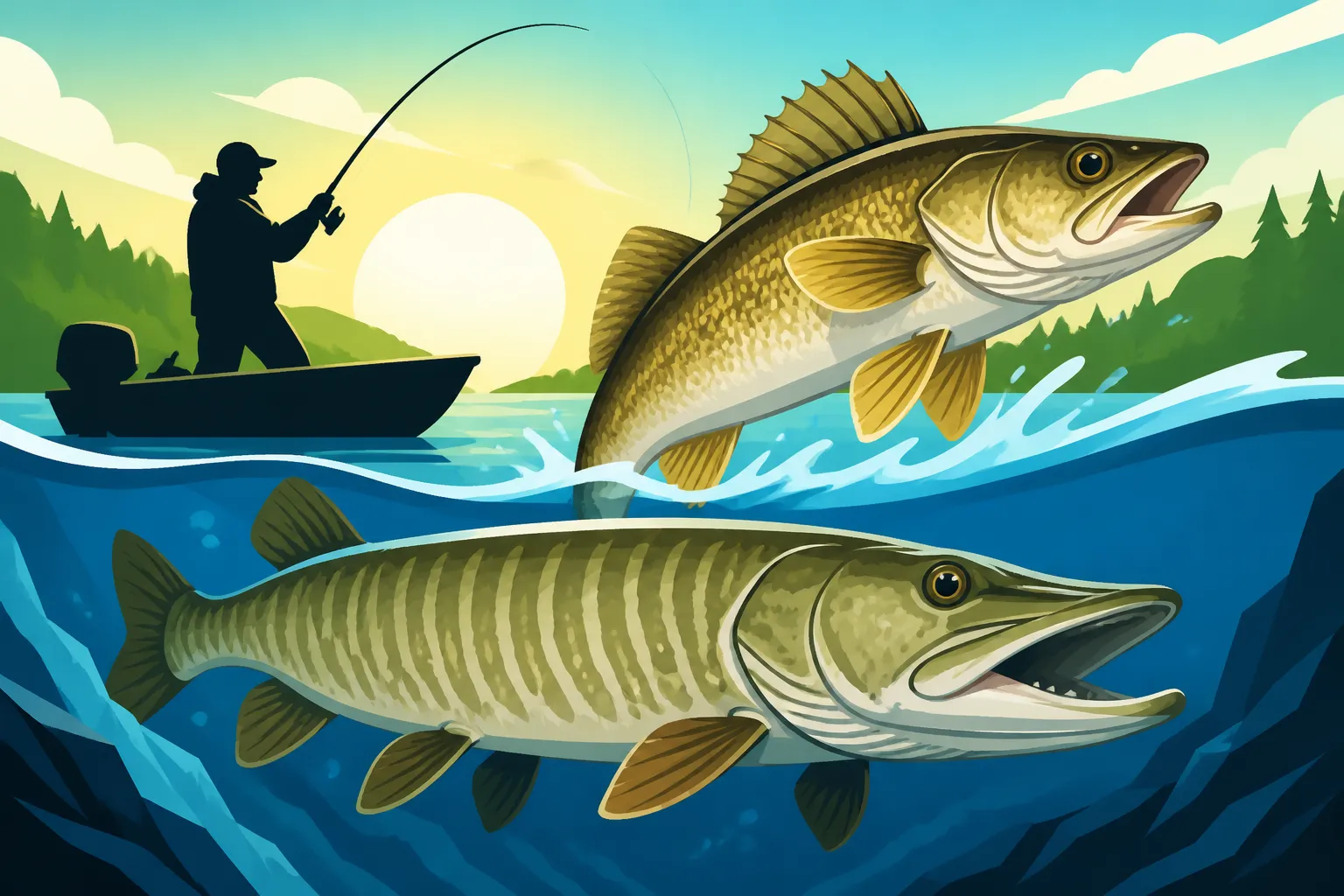
Few fishing challenges in Indiana are as exhilarating, or at times, as frustrating, as chasing walleye and muskie in our state's glacial lakes. These deep, clear waters hold true trophy potential, but these elusive predators demand a thoughtful, patient, and well-researched approach. This comprehensive guide is here to equip you with the knowledge, strategies, and confidence you need to tackle Indiana's glacial giants and experience the thrill of a lifetime.
Understanding Indiana's Glacial Lakes and Their Unique Appeal
If you've ever spent time on lakes like Wawasee, Webster, or Tippecanoe, you know there's something distinctly different about them compared to the big reservoirs down south. These aren't your muddy, timber-filled impoundments. Indiana's glacial lakes are a unique fishery, shaped by ancient ice and offering a truly special angling experience.
The Formation and Characteristics of Glacial Lakes
Picture this: thousands of years ago, massive glaciers covered much of what is now Indiana. As these colossal ice sheets slowly retreated, they carved out depressions in the landscape and left behind mounds of sand, gravel, and clay. When the glaciers melted, these depressions filled with water, creating the deep, clear, often irregularly shaped lakes we cherish today. This geological history is why these lakes are typically deeper than their river-fed reservoir counterparts, with distinct drop-offs, underwater humps, and varying bottom compositions ranging from rock and gravel to muck. The clarity of the water is also a hallmark, often allowing you to see several feet down, which presents both advantages and challenges for anglers. Fish in these clear waters tend to be warier, relying heavily on sight, but it also means you might spot schooling baitfish or even a lurking predator.
These lakes are often fed by springs, which helps maintain cooler water temperatures in their deeper basins, even during the dog days of summer. This thermocline, or temperature barrier, is crucial for species like walleye and muskie that prefer cooler, oxygen-rich environments. Understanding the unique structure and water conditions of these glacial lakes is the first step to unlocking their secrets. They are not uniform; each lake has its own personality, currents, and specific fish habitats, so general knowledge combined with on-the-water observation is key.
Key Glacial Lake Regions for Walleye and Muskie
When we talk about Indiana's prime glacial lake fishing, our minds immediately turn north. The northeastern and north-central parts of the state are a treasure trove of these unique water bodies. Kosciusko, Steuben, and Noble counties, in particular, form the heart of what many call "Indiana's Glacial Lake District: Home to Muskie, Pike, and Walleye." These areas boast a high concentration of the deep, clear lakes that muskie and walleye thrive in.
For walleye, destinations like Lake Wawasee, Webster Lake, Tippecanoe Lake, and Crooked Lake are legendary. These lakes have robust walleye populations, with some truly impressive fish being pulled out each season. Anglers often flock to these areas, especially in the spring and fall, hoping to hook into a golden-sided trophy. Each of these lakes has distinct features – some are vast and sprawling, offering extensive areas to explore, while others are smaller and more intimately shaped, allowing for a more focused approach.
Muskie, the apex predator of these waters, is another prize catch, and Indiana has a dedicated following for these "fish of 10,000 casts." Lake Webster, Lake Tippecanoe, Lake James, and even parts of Lake Wawasee are renowned for their muskie populations. These fish are challenging, requiring specialized gear and a significant amount of patience, but the reward of landing one of these freshwater giants is unparalleled. Checking out the "Best Muskie Lakes in Indiana's Glacial Lake District" can give you a head start on planning your next big adventure.
The Challenge of Fishing Clear, Deep Waters
Fishing in clear, deep glacial lakes presents a distinct set of challenges that differ significantly from fishing in murkier, shallower environments. One of the biggest hurdles is the wariness of the fish themselves. In clear water, fish have a much wider field of vision, making them more susceptible to spooking from boat noise, shadows, or even bright, unnatural-looking lines and lures. You'll often find that longer casts, stealthy approaches, and lighter line leaders become paramount.
Another challenge is locating fish that can suspend at various depths or hug subtle contours in expansive, deep basins. Without the cover of stained water or dense vegetation found in other lake types, walleye and muskie often relate to submerged structure, distinct depth changes, or schools of baitfish in open water. This makes quality electronics, like a good fish finder, almost a necessity to efficiently scout and pinpoint promising locations. The depth itself also means that presenting your lure effectively at the right level and speed can be more difficult, requiring careful boat control and specific jigging or trolling techniques.
The bright sunlight penetrating deep into the water column can also push fish to deeper, shadier areas or make them more active during low-light periods like dawn, dusk, or even at night. This often means adjusting your fishing schedule and techniques to match the fish's activity patterns, which can vary wildly depending on the time of year and weather conditions. Embracing these challenges, rather than being deterred by them, is what separates successful glacial lake anglers from the rest.
Walleye Fishing Strategies for Indiana's Glacial Lakes
Walleye are one of the most sought-after game fish in Indiana's glacial lakes, celebrated for their delicious table fare and challenging fight. But catching these elusive "eyes" consistently requires understanding their habits in these specific environments.
Seasonal Movements and Prime Walleye Locations
Walleye movements in Indiana's glacial lakes are highly seasonal, dictated primarily by water temperature and spawning cycles. In early spring, as ice retreats and water temperatures hover in the low 40s to low 50s Fahrenheit, walleye gather in shallow, rocky areas or gravel points near tributary mouths for their annual spawn. This is a prime time for shore anglers and boaters alike to target them, often at night or during low light conditions, using jigs and stickbaits. As the water warms slightly post-spawn, they might move to slightly deeper edges of these spawning grounds, recuperating and feeding heavily.
As summer progresses and surface temperatures rise into the 70s, walleye retreat to the cooler, oxygen-rich depths. They'll often suspend in the main lake basin over deep humps, along the thermocline, or near deep structure like submerged timber or rock piles. This is when deep-water trolling, vertical jigging, and live bait rigging become the most productive methods. Understanding the "Best Months for Walleye Fishing in Indiana's Glacial Lakes" is crucial for planning your summer expeditions. They'll follow schools of baitfish like shad or cisco, so finding the bait on your electronics is often the first step to finding the walleye.
Fall brings another excellent bite as water temperatures cool and walleye begin to feed aggressively in preparation for winter. They'll often move back shallower, particularly in the mornings and evenings, targeting points, humps, and weed edges, before returning to deeper haunts during the day. This period can offer some of the best fishing of the year, with a combination of techniques working well, from casting crankbaits to jigging spoons. Pay close attention to subtle changes in water temperature and baitfish location, as these will be your biggest indicators.
Effective Baits and Lures for Glacial Lake Walleye
When it comes to enticing walleye in the clear waters of Indiana's glacial lakes, a varied tackle box is your best friend. Live bait is often a consistent producer, especially when the bite is tough. Minnows, shiners, nightcrawlers, and leeches presented on a slip bobber, a simple jig, or a bottom bouncer rig can be incredibly effective, particularly during the spring and fall. The natural action and scent of live bait are hard for a finicky walleye to resist. Many anglers swear by large shiners on a weighted hook when targeting bigger fish.
For artificial lures, versatility is key. Jigs are perhaps the most ubiquitous walleye lure, effective year-round. Marabou jigs, plastic grub-tipped jigs, or hair jigs in natural colors like brown, green, or black work well in clear water. Consider varying jig weights to match the depth and current you're fishing. Crankbaits and stickbaits are phenomenal for covering water, especially when trolling or casting over flats and points. Shallow-diving models are great for early season, while deeper divers are essential for summer and fall. Brands like Rapala, Berkley, and Bandit offer a wide array of choices suitable for walleye. You can often find a comprehensive selection of these "Best Lures for Indiana Walleye Fishing" on Amazon.
Don't forget blade baits and spoons for vertical jigging over deep structure or suspended schools. These lures provide a lot of flash and vibration, triggering reaction strikes from aggressive walleye. The key is to match your lure size and color to the local forage and water clarity. In very clear water, more natural, subtle colors often outperform bright, flashy ones, but sometimes a bold, unexpected color can trigger a bite when nothing else will.
Techniques for Targeting Walleye in Clear Water
Fishing walleye in clear glacial lakes often demands a more finessed approach compared to murkier environments. Stealth is paramount. Minimize boat noise, keep shadows off the water, and consider longer casts to avoid spooking fish. Using fluorocarbon leaders, which are nearly invisible underwater, can make a significant difference, especially when presenting live bait or light jigs.
One highly effective technique is precise vertical jigging. When walleye are holding tight to deep structure or suspended over bait, dropping a jig or spoon directly onto them, using your fish finder to guide you, can be deadly. A slow, methodical lift-and-drop presentation often works best, allowing the lure to fall naturally. When trolling, which is especially popular in summer, focus on maintaining a consistent speed that allows your crankbait to run at the desired depth. Using planer boards can help spread out your lines and cover a wider swath of water, especially in expansive areas of Lake Wawasee or Tippecanoe.
Another technique is slip bobber fishing with live bait. This allows you to present a minnow or leech at a precise depth over submerged weed lines, rock piles, or channel edges, letting the bait suspend naturally. This is particularly effective during calmer conditions or when fish are less aggressive. Remember, walleye in clear water are often sight-feeders, so the presentation, natural action, and subtle details of your bait or lure can make all the difference. Always adhere to the Indiana fishing regulations, which include specific walleye length limits that can vary by lake. It's vital to know the "Walleye Minimum Length North of State Road 26" to ensure you're compliant.
Muskie Fishing Strategies for Indiana's Glacial Lakes
Muskellunge, often simply called muskie, are the undisputed freshwater titans of Indiana's glacial lakes. Catching one is a badge of honor, a test of patience, and a pure adrenaline rush. These predatory fish are notoriously challenging but incredibly rewarding.
Locating Muskie in Structure-Rich Glacial Lakes
Muskie are ambush predators, meaning they love to lurk in or near structure, waiting for an unsuspecting meal to swim by. In Indiana's glacial lakes, this means focusing your efforts on prime muskie habitat that offers both cover and access to open water feeding grounds. Weed lines, especially those with sharp breaks or distinct edges, are muskie magnets. Look for healthy, expansive beds of coontail, milfoil, or cabbage that provide dense cover. The transition zones where these weed beds meet deeper water are often key ambush points.
Rock piles, submerged humps, and sharp drop-offs are also critical pieces of structure for muskie. These features provide vertical relief and create current breaks or temperature variations that attract both muskie and their prey. On a lake like James Lake, known for its trophy muskie, anglers spend hours meticulously mapping these underwater features with their electronics. Don't overlook submerged timber or brush piles, which can also hold lurking giants. These features are often less common in glacial lakes than in reservoirs but can be incredibly productive when found.
Beyond hard structure and vegetation, consider current. While glacial lakes don't have strong river currents, wind-driven currents or inflows from smaller streams can create subtle current breaks that muskie will exploit. Also, keep an eye on baitfish schools. Muskie are almost always found near their food source, so if you're marking large schools of cisco, shad, or perch on your fish finder, there's a good chance a muskie isn't far behind. Remember, muskie are solitary hunters for the most part, so covering water and hitting multiple prime spots is usually more effective than staying put.
Top Muskie Lures and Presentations
Muskie fishing is not for the faint of heart, or for the light tackle box. These fish demand big baits and heavy gear, and "Best Bait for Muskie Fishing on Lake Wawasee" often means something substantial. Bucktails are perhaps the most iconic muskie lure. These flashy, vibrating baits with flowing hair or synthetic skirts are designed to trigger aggressive strikes. Experiment with different blade sizes (from single to tandem to triple) and colors, but generally, brighter colors work well in sunny conditions or clear water, while darker colors are good on overcast days or in stained water (though stained water is rare in glacial lakes).
Crankbaits and jerkbaits, often referred to as 'minnow baits,' are another staple. Look for large, durable models with strong hooks that can withstand a muskie's powerful jaws. Deep-diving crankbaits are excellent for trolling or casting over deep structure, while suspending jerkbaits can be twitched and paused to entice followers. Soft plastics, especially large paddle tail swimbaits or grub-like offerings, can also be highly effective, especially when worked slowly near cover.
Topwater lures – think giant poppers, walk-the-dog baits, or propeller baits – offer some of the most exciting muskie strikes you'll ever witness. These are fantastic for low-light conditions or when muskie are active near the surface, typically over shallower weed flats. Regardless of the lure type, ensure your hooks are razor-sharp and strong enough to handle a powerful fish. Many muskie anglers will upgrade their hooks straight out of the package. Brands like Musky Mania, Mepps, and Bucher have built their reputations on creating effective muskie lures that can stand up to these formidable predators.
Mastering the Figure-Eight and Other Muskie Tactics
Muskie fishing is often about more than just casting and retrieving; it's about anticipation and a set of specialized techniques designed to provoke a strike from a cautious follower. The "figure-eight" is arguably the most famous and crucial muskie tactic. It's executed at the side of the boat as your lure nears the end of its retrieve. Instead of pulling the lure out of the water, you plunge your rod tip into the water and trace a large figure-eight pattern, keeping the lure moving just beneath the surface. Many muskie will follow a lure right to the boat, and this sudden, erratic movement can trigger a strike from an otherwise hesitant fish. Mastering the figure-eight takes practice, but it's essential for converting followers into catches.
Another key tactic is varying your retrieve speed and cadence. Muskie are intelligent predators, and a constant, predictable retrieve might not always be enough. Experiment with sudden jerks, pauses, and changes in speed to mimic a wounded baitfish. When casting, aim for prime structure like submerged logs, weed points, or rock edges, ensuring your lure runs through the strike zone. Overcast days or periods of stable weather are often considered the "Best Time of Year for Muskie Fishing in Indiana" for active fish.
For covering large areas, especially in the vast expanse of Lake Tippecanoe, trolling large crankbaits can be incredibly effective. Use your electronics to find preferred depths and adjust your lure selection and boat speed accordingly. Always be prepared for a strike; muskie hit hard and fast. Keep your rod tip down, set the hook with authority, and be ready for a powerful, acrobatic fight. Given their size, Muskie vs Northern Pike: How to Tell Them Apart can be tricky, so always be sure of your identification to stay within regulations.
Essential Gear and Tackle for Glacial Lake Giants
Fishing for walleye and muskie in Indiana's glacial lakes isn't just about technique; it's also about having the right tools for the job. These powerful fish demand specialized gear that can handle their strength and the challenges of deep, clear water.
Rods, Reels, and Line for Walleye Success
For walleye fishing, versatility in your rod and reel setup is important. A good all-around spinning combo for casting jigs and lighter crankbaits would be a 6'6" to 7' medium-light to medium power rod with a fast action. This allows for sensitive feel and quick hooksets. Pair it with a 2500 or 3000 size spinning reel spooled with 8-10 pound braided line, which offers superior sensitivity and casting distance. Adding a 6-10 pound fluorocarbon leader is crucial for invisibility in clear glacial waters. You can find excellent options for "Best Rods and Reels for Indiana Largemouth Bass" that also work perfectly for walleye.
When it comes to trolling, a different setup is needed. A 7' to 9' medium to medium-heavy power, moderate action casting or spinning rod is ideal for handling the pull of crankbaits and planer boards. These rods absorb shock better, preventing hooks from tearing out. Match them with baitcasting reels that have a reliable drag system and line counter capabilities, especially if you're targeting specific depths. Spool these with 10-15 pound monofilament or braid, again with a fluorocarbon leader. A line counter reel is a game-changer for consistently hitting the strike zone when walleye are suspended at a precise depth.
For vertical jigging in deep water, a sensitive, fast-action spinning rod around 6'3" to 6'8" with a stout backbone is perfect. This allows you to feel subtle bites and quickly set the hook. Using braided line here, often 8-10lb test, maximizes sensitivity to detect those light walleye taps. Having a variety of setups allows you to quickly adapt to different conditions and techniques, maximizing your chances on the water.
Heavy-Duty Tackle for Muskie Encounters
Muskie fishing is a brutal test of tackle, and your gear needs to be up to the task. Standard bass or walleye gear simply won't cut it. Your rod needs to be a "broomstick" – a heavy power, fast action casting rod, typically 8 to 9.5 feet long. The length provides leverage for casting heavy baits and controlling a thrashing muskie boat-side. These rods are designed to handle lures weighing several ounces. "Best Rods for Muskie Fishing" are purpose-built for this species, offering the backbone and sensitivity needed.
Pair these heavy rods with robust, high-capacity baitcasting reels specifically designed for muskie. Look for reels with strong, smooth drag systems, a high gear ratio for quickly taking up line, and a durable construction. Reels like those from Abu Garcia, Shimano, or Daiwa are popular choices. Spool these with heavy braided line, typically 65-100 pound test. Braid is essential for its zero stretch, allowing for powerful hooksets and direct control over these large fish.
Wire leaders are non-negotiable for muskie fishing. A muskie's razor-sharp teeth will easily sever monofilament or fluorocarbon. Use high-quality wire leaders, either solid wire or multi-strand steel, rated for 80-150 pounds, with heavy-duty snaps and swivels. The strength of your swivels and snaps is just as important as the leader itself. Don't skimp on terminal tackle; a lost muskie due to cheap gear is a heartbreaking experience. You can find a wide array of muskie-specific gear, from lures to wire leaders, conveniently on Amazon.
| Gear Type | Walleye Setup | Muskie Setup |
|---|---|---|
| Rod | 6'6" – 7' Medium-Light/Medium, Fast Action Spinning; 7'-9' Moderate Action Trolling | 8' – 9.5' Heavy Power, Fast Action Casting (e.g., St. Croix Legend Tournament Musky) |
| Reel | 2500-3000 Spinning; Line Counter Baitcasting | High-Capacity, Heavy-Duty Baitcasting (e.g., Abu Garcia Revo Toro Beast) |
| Line | 8-10 lb Braid (main), 6-10 lb Fluorocarbon (leader) | 65-100 lb Braid (main) |
| Leader | 6-10 lb Fluorocarbon | 80-150 lb Wire (steel or fluorocarbon-coated wire) with heavy snaps |
| Lure Types | Jigs, Crankbaits, Stickbaits, Blade Baits, Live Bait | Bucktails, Jerkbaits, Crankbaits, Soft Plastics, Topwaters |
Electronics and Boat Setup for Deeper Waters
In the vast, deep waters of Indiana's glacial lakes, good electronics are not a luxury; they're an absolute necessity for consistent success. A quality fish finder, preferably one with CHIRP sonar, side imaging, and down imaging capabilities, will dramatically improve your ability to locate fish and structure. These technologies allow you to see underwater topography in incredible detail, identify schools of baitfish, and even mark individual walleye or muskie holding near cover. Brands like Humminbird and Garmin offer excellent units that provide the detailed views you need. You can scout deep humps, pinpoint subtle weed edges, and identify thermoclines where fish are likely to be holding.
GPS is another critical component of your boat's electronics. It allows you to mark productive waypoints, navigate safely, and return to hot spots with precision. Many modern fish finders integrate GPS, providing detailed lake maps and charting capabilities. Having up-to-date mapping of the specific glacial lake you're fishing, showing contours and depths, is invaluable.
Beyond electronics, your boat setup needs to be optimized. A reliable trolling motor with GPS Spot-Lock technology (like Minn Kota's Ultrex or Terrova) can be a game-changer, allowing you to hold your position precisely over a deep rock pile or follow a contour hands-free, even in windy conditions. This is especially helpful for precise jigging or casting. A well-placed set of rod holders is also essential, particularly for trolling multiple lines for walleye or for keeping muskie rods at the ready. For those serious about fishing the larger, rougher glacial lakes, or even Lake Michigan's nearby waters, consider the "Best Boats for Fishing Lake Wawasee in Indiana" as they offer the stability and power you'll need. Don't forget safety gear; a whistle or horn and appropriate life jackets are mandatory in Indiana waters.
Seasonal Considerations for Walleye and Muskie Anglers
Understanding the seasonal ebb and flow of Indiana's glacial lakes is paramount to consistently catching walleye and muskie. These fish behave very differently depending on water temperature, spawning cycles, and available forage.
Spring into Action: Pre-Spawn and Early Season Tactics
Spring is a time of renewal and excitement for glacial lake anglers, as walleye and muskie shake off their winter lethargy and become more active. For walleye, the pre-spawn and spawn period, typically from late March through April when water temperatures are between 40-50°F, is a prime time. Walleye move into shallower, hard-bottomed areas like rocky points, gravel bars, and tributary mouths to spawn. This is when night fishing with stickbaits or casting jigs tipped with live minnows can be incredibly effective. After the spawn, they'll often linger near these areas, recuperating and feeding heavily on baitfish.
Muskie, being later spawners, typically become active in late April and May as water temperatures creep into the mid-50s to low 60s. They'll start to cruise shallow weed flats and rocky shorelines in search of food. Smaller bucktails, jerkbaits, and even some topwater lures can be effective as they begin to shake off the winter chill. The key in spring for both species is to focus on shallower areas that warm up first and offer abundant forage. Fish move slowly, so a deliberate, methodical approach is often best. Remember that the "Indiana Fishing License Year Runs April to March," so ensure your license is current before hitting the water.
This early season period can be a bit hit-or-miss depending on weather fluctuations. Cold fronts can quickly shut down the bite, pushing fish back into deeper, more stable water. Conversely, a few days of warm, sunny weather can bring a surge of activity. Be prepared to adapt your depths and presentations based on the conditions. Patience is key, but the rewards can be substantial, with some of the biggest fish of the year being caught during this awakening period.
Summer's Deep Dive: Finding Fish in Warm Waters
As Indiana's glacial lakes warm up in summer, walleye and muskie typically retreat to deeper, cooler waters where oxygen levels are more stable. This often means finding the thermocline – the layer where water temperature changes rapidly – as both species will relate to this comfort zone. For walleye, this is a prime time for deep-water trolling with crankbaits or planer boards over main lake basins, deep humps, and along channel edges. Vertical jigging with spoons or blade baits over submerged structure or suspended bait balls also becomes highly effective. They'll often school up, so when you find one, there are likely more.
Muskie in summer will often relate to dense, green weed beds in deeper water (10-20 feet), submerged timber, or deep rock structure. They'll use these areas for ambush points and thermal refuge. Big spinnerbaits, soft plastics, and deep-diving crankbaits are go-to lures. Casting to the edges of these deep weed lines or trolling along breaks can be productive. Remember, muskie are still primarily solitary, so covering water is essential. The clear water means fish can be more finicky during bright daylight hours, often preferring dawn, dusk, or overcast days.
The key to summer success is diligent use of your electronics to identify depth, structure, baitfish, and the thermocline. Pay attention to changes in wind direction and speed, as these can concentrate baitfish and, consequently, predators. While sunny, hot days might mean the fish are deeper and less active during midday, a shift to cloudy conditions or an evening bite can bring them out to feed.
Fall Frenzy: The Best Time for Trophy Fish
Many seasoned anglers consider fall the "Best Time of Year for Muskie Fishing in Indiana," and it's also a fantastic period for trophy walleye. As water temperatures begin to drop from late September through November, both species enter a pre-winter feeding frenzy. They're trying to pack on as much weight as possible, making them more aggressive and willing to chase larger baits.
Walleye will often move back into shallower areas during low-light periods, targeting points, humps, and deep weed edges, similar to spring. However, they'll also remain in deeper basins, actively chasing schools of baitfish. Trolling large crankbaits, casting bigger jerkbaits, and jigging heavy spoons are all excellent tactics. The bite can be fierce and sustained, offering some of the best action of the year. Always be aware of the "Indiana Walleye Length Limits by Lake" as they may apply during this productive season.
For muskie, fall is synonymous with big baits and big fish. Muskie are actively feeding and will strike large bucktails, oversized jerkbaits, and even large soft plastics. They'll often be found relating to deep structure like rock humps, main lake points, and the deepest remaining green weed beds. Trolling can be very productive for covering vast areas and intercepting cruising fish. The figure-eight at the boat becomes even more critical during this time, as a muskie might follow your lure for a long distance before deciding to strike. The colder water also means muskie fights can be incredibly powerful, so ensure your tackle is in top condition.
Conservation and Responsible Angling Practices
As anglers, we have a profound responsibility to protect and preserve Indiana's precious glacial lake fisheries for future generations. Catching magnificent walleye and muskie is a privilege, and practicing responsible angling ensures these opportunities continue.
Understanding Walleye and Muskie Regulations
Indiana Department of Natural Resources (IDNR) sets specific regulations for walleye and muskie to manage fish populations and ensure sustainable fishing. These regulations include minimum length limits and daily bag limits, which can vary by species and even by specific lake. For example, "Indiana Walleye Length Limits by Lake" shows that the statewide minimum length for walleye is 16 inches, but certain lakes like Bass Lake, Wolf Lake, and Lake George have specific exceptions to help manage their unique fisheries. It is your responsibility to know these rules before you cast a line.
Muskie regulations are often even more stringent due to their slower growth rates and trophy status. Typically, muskie in Indiana have a 36-inch minimum length limit, sometimes even 42 inches on specific lakes. The daily bag limit is usually one fish. These regulations are not arbitrary; they are carefully crafted based on scientific data to protect the spawning stock and allow fish to reach maturity. Fishing without a proper license or ignoring bag and length limits can result in significant penalties and fines for fishing without a license.
Before every trip, make it a habit to check the current Indiana Fishing Regulations Guide, available on the IDNR website or at most bait shops. Being informed and compliant is the first step in being a responsible angler. It’s also good to understand that fishing license requirements can vary for residents and nonresidents, so reviewing the "Indiana Nonresident Fishing License Guide" if you're visiting from out of state is a smart move.
Catch and Release Best Practices for Large Fish
While walleye are excellent table fare and many anglers keep their legal limit, muskie are almost exclusively a catch-and-release fishery due to their slow growth, rarity, and trophy status. Even when keeping walleye, selective harvest – releasing the largest fish and keeping smaller, legal-sized ones – helps ensure strong genetics in the population.
For any large fish you intend to release, minimizing stress and handling time is critical. Here are some best practices:
- Use appropriate gear: Heavy tackle for muskie ensures you can land the fish quickly, reducing the fight time and exhaustion.
- Proper landing net: A large, knotless rubberized landing net is essential. It supports the entire fish, protects its slime coat, and prevents fin damage. Never land a muskie by hand without a net or specialized tool.
- Minimize air exposure: Keep the fish in the water as much as possible. If you need to bring it into the boat for a quick photo, do so quickly and gently.
- Use long-nose pliers or jaw spreaders: Muskie have extremely sharp teeth. Use these tools to safely remove hooks without putting your hands near their mouth. Barbless hooks can make removal much easier.
- Support the fish horizontally: When lifting a large fish, always support its body horizontally with one hand under the belly and the other gripping the tail. Never hang a large fish vertically by the jaw or gills, as this can cause severe internal damage.
- Revive gently: If the fish seems stressed or lethargic, hold it gently in the water, facing into the current (if any), until it regains strength and swims off on its own.
By following these practices, you significantly increase the chances of the released fish surviving and thriving, ensuring that these incredible predators continue to populate Indiana's glacial lakes.
Preserving Indiana's Glacial Lake Fisheries
Beyond regulations and catch-and-release, preserving Indiana's glacial lake fisheries involves a broader commitment to environmental stewardship. These lakes are delicate ecosystems, and their health directly impacts the fish populations.
One crucial aspect is preventing the spread of aquatic invasive species (AIS). Zebra mussels, Eurasian watermilfoil, and other invasives can devastate a lake's ecosystem, altering water quality, damaging native habitats, and outcompeting native species for food. Always "Clean, Drain, Dry" your boat, trailer, and all fishing gear after leaving a lake. Clean off any visible plants or mud, drain all water from your livewells, bilge, and engine, and allow everything to thoroughly dry before launching in another body of water. This simple act can make a huge difference.
Another important element is protecting water quality. Avoid littering, properly dispose of fishing line, and be mindful of any spills or pollutants from your boat. Participate in local clean-up efforts or support organizations dedicated to lake conservation. Understanding and respecting the habitat is also key; avoid unnecessary damage to weed beds or sensitive shorelines.
Finally, educating others, especially younger anglers, about responsible fishing practices is a powerful way to ensure the long-term health of our fisheries. By fostering a culture of conservation, we can help ensure that the thrill of catching a walleye or muskie in Indiana's glacial lakes remains a cherished experience for generations to come.
Troubleshooting Common Challenges and Advanced Tips
Even the most experienced anglers face tough days on the water. Walleye and muskie in glacial lakes can be notoriously finicky, but understanding how to troubleshoot common challenges and employing advanced tips can turn a slow day into a successful one.
Dealing with Finicky Bites and Tough Conditions
We've all been there: the fish finder is lit up with marks, you're on a known hot spot, but nothing is biting. Finicky bites are a common frustration, especially with walleye in clear water. When this happens, it's time to slow down and downsize. If you're casting crankbaits, switch to a smaller, more subtle jig tipped with a live minnow or a smaller soft plastic. Sometimes, reducing your line size or switching to an even longer fluorocarbon leader can make a difference in ultra-clear conditions.
Weather also plays a massive role. Cold fronts, in particular, can shut down a bite instantly, making fish lethargic and pushing them deeper or tighter to cover. After a cold front, fish very slowly, present baits directly in their face, and target areas where fish can find thermal refuge. Conversely, stable weather and overcast skies often trigger more aggressive feeding. High-pressure systems can make fish seek deeper water, while low-pressure systems, especially leading up to a storm, can spur a feeding frenzy. Understanding "How Weather Affects Fish Feeding Patterns" can help you anticipate these changes.
Boat control is paramount in tough conditions. Using your trolling motor to make precise drifts or to hold your position over a small piece of structure can present your bait exactly where finicky fish are holding. Don't be afraid to experiment with different depths, retrieve speeds, and even colors. What worked yesterday might not work today, so constantly adjusting your approach is essential for breaking the code of a tough bite.
Reading the Water and Adapting Your Approach
Reading the water is an art form, a combination of observation, experience, and understanding the environment. In Indiana's glacial lakes, water clarity, temperature, and visible structure cues are your best friends. Pay attention to everything: where are the birds diving? Are there baitfish flickering on the surface? What does your fish finder show about the thermocline and bottom composition? These are all pieces of the puzzle.
When approaching a new area, start by observing. Look for points, bays, weed lines, and changes in shoreline contour that might extend underwater. Use your electronics to confirm what you see on the surface and to uncover hidden structure like humps, rock piles, or submerged timber. The key is to form a hypothesis about where the fish might be and then test it with your lures and techniques. For example, if you see an extensive weed flat on Lake Wawasee, you might assume muskie are ambushing fish on the edges, while walleye are likely deeper.
Adaptation is the next step. If your initial approach isn't yielding results, change something. If you're not getting bites on bucktails, switch to a jerkbait. If fish are deeper than expected, adjust your trolling depth or switch to vertical jigging. Don't be afraid to leave a spot if it's not producing, even if it's a known hot spot. Fish move, and conditions change, so a willingness to explore and experiment is crucial. "Why Walleye Bite Windows Shrink Once the Glacial Lakes Warm" is a perfect example of a nuanced understanding you'll need to adapt to. Sometimes, the most subtle adjustment, like a different retrieve cadence or a lighter jig, is all it takes to unlock the bite.
Night Fishing for Walleye and Muskie Opportunities
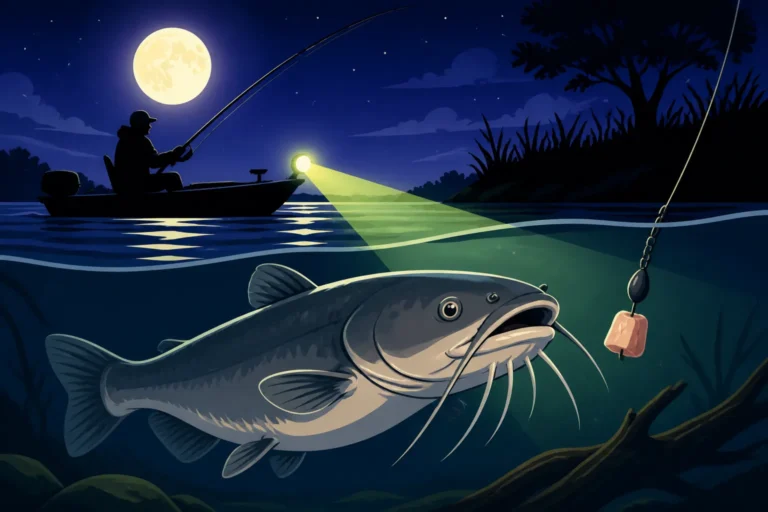
While many anglers pack up their gear as the sun sets, night fishing offers a unique and often highly productive opportunity for both walleye and muskie in Indiana's glacial lakes. The cover of darkness often makes these fish more aggressive and less wary, especially in clear waters where they might be shy during daylight hours.
Walleye are notorious for feeding heavily at night. As dusk settles, they'll often move from their deep daytime haunts into shallower areas like rocky points, humps, and even shorelines, especially areas where baitfish congregate. Casting shallow-diving crankbaits or stickbaits in darker colors (like black or purple) or bright, contrasting colors (like chartreuse or firetiger) can be incredibly effective. Vertical jigging spoons or blade baits over deep structure where walleye are staging before their shallow push can also work well. A good headlamp with a red-light setting is essential for tying knots and navigating without spooking fish, and don't forget to review "Are There Any Good Fishing Spots Open at Night in Indiana?" to plan your trip.
Muskie can also be caught at night, though it's a more specialized pursuit. They too will cruise shallower areas, especially around full moons, or in areas with streetlights or docks that attract baitfish. Large, dark-colored topwater lures or slow-rolling bucktails can be effective. The strikes are often explosive and entirely by feel, making for an unforgettable experience. However, night fishing for muskie requires extreme caution due to their size, teeth, and the heavy tackle involved. Always fish with a partner and have proper lighting and landing gear ready. Night fishing can be a thrilling way to target these glacial lake giants, offering a completely different angling experience.
Disclaimer
Please note that fishing regulations, license requirements, and local conditions can change. Always consult the latest official Indiana Department of Natural Resources (IDNR) regulations before heading out on the water. The information provided in this guide is for general informational purposes only and should not be considered legal advice.