Remote Coves on Lake Shafer for Quiet Fishing
There’s nothing quite as frustrating as heading out to a popular Indiana lake, dreaming of a peaceful day on the water, only to find boat traffic, jet skis, and crowded fishing spots everywhere you turn. Lake Shafer, while beautiful and abundant with fish, can definitely get busy, especially on weekends and during peak season. This guide is all about helping you escape that commotion and discover the serene, remote coves on Lake Shafer where you can truly enjoy some quiet fishing.
Why Seek Remote Coves on Lake Shafer?
You know the feeling. You’ve packed your gear, driven to the lake, and you’re ready to cast a line, but the constant hum of boat motors and the chatter from other anglers just ruins the calm you were seeking. That's why diving into the lesser-known, more secluded parts of Lake Shafer isn't just a preference; for many of us, it's essential for a truly enjoyable fishing experience.
Escaping the Crowds and Noise
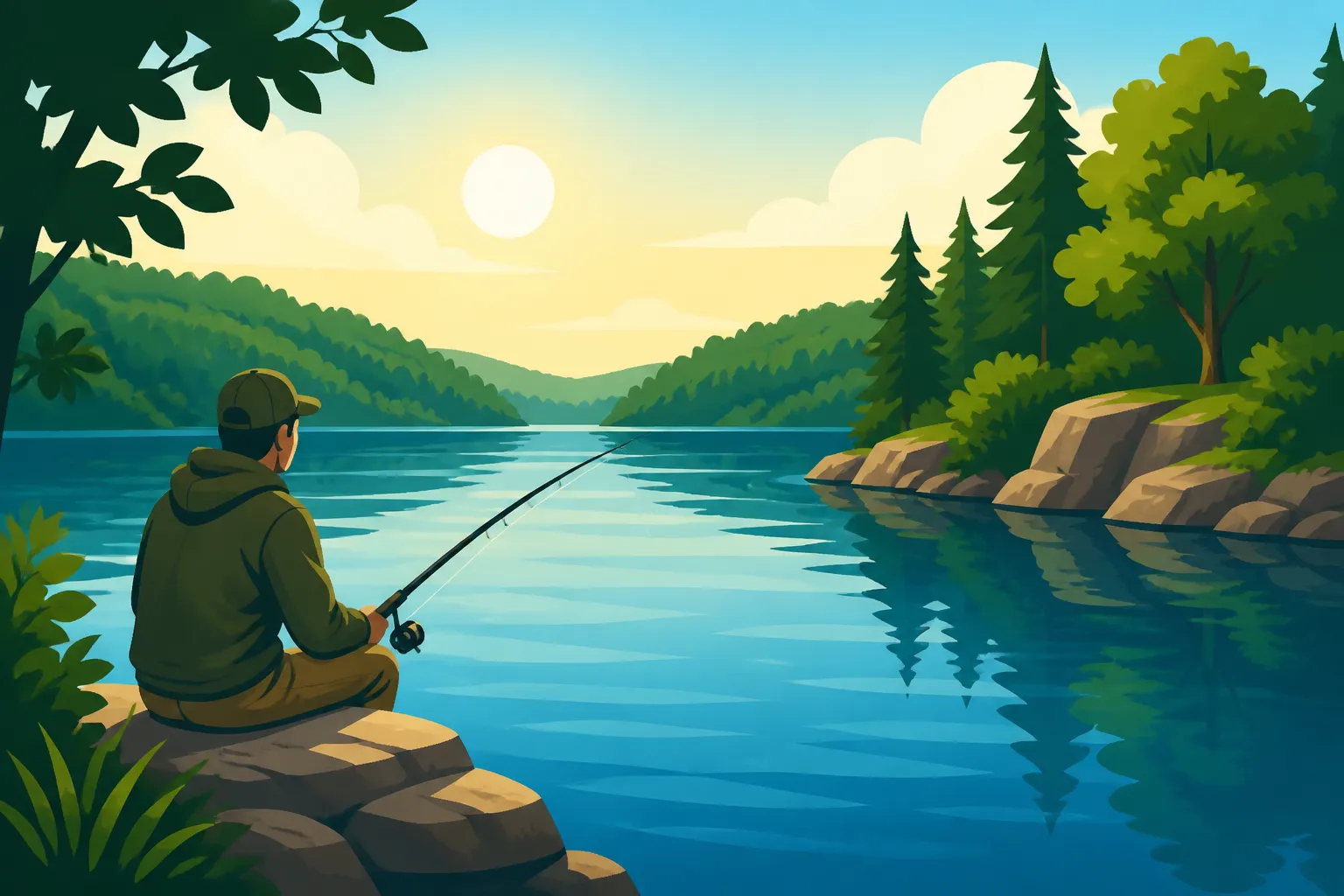
Lake Shafer is a vibrant, active lake, especially during the warmer months when visitors flock to its shores. While that energy can be fun, it often means sacrificing the peaceful solitude that many anglers crave. Imagine trying to concentrate on a subtle bite while a wakeboard boat zips by, creating waves that rock your boat and disrupt your presentation. It’s enough to make you pack up early! Remote coves offer a much-needed sanctuary from this kind of activity. Here, the only sounds you're likely to hear are the gentle lapping of water against your boat, the chirping of birds, and maybe the splash of a fish jumping. It’s a completely different atmosphere that allows for deep relaxation and focus.
The Tranquility of Nature
Beyond just escaping noise, seeking out these quiet corners of Lake Shafer connects you more deeply with the natural world. In a secluded cove, you’re often surrounded by mature trees, perhaps some rocky outcrops, and untouched shoreline that gives you a glimpse of Indiana’s wild beauty. It’s a chance to observe local wildlife, from eagles soaring overhead to turtles basking on submerged logs, all without the constant interruption of human activity. This natural tranquility isn't just good for the soul; it can also make you a more observant and patient angler. When you're not distracted, you're more likely to notice subtle changes in the water, insect activity, or the way the wind is moving – all clues that can lead to a successful catch.
Better Chances for Unpressured Fish
Fish, especially larger, more wary specimens, tend to avoid heavily trafficked areas. They learn quickly to associate boat noise and constant angler presence with danger. In remote coves, the fish are less accustomed to seeing lures and baits, making them potentially less pressured and more willing to bite. These areas often provide natural cover like submerged timber, weed beds, or rocky structures that offer protection and foraging opportunities for various species. Without constant disturbance, fish can settle into their natural patterns, feeding more freely and openly. This means your carefully chosen lure might look like a genuinely easy meal rather than another attempt by a human. Targeting these unpressured fish can lead to more consistent bites and, often, bigger catches.
Identifying Potential Remote Coves
Finding those hidden gems on Lake Shafer takes a bit of homework, but trust me, it’s worth the effort. You can’t just show up and expect to stumble upon them. A little planning goes a long way in ensuring your day is spent fishing, not searching in frustration.
Studying Maps and Satellite Imagery
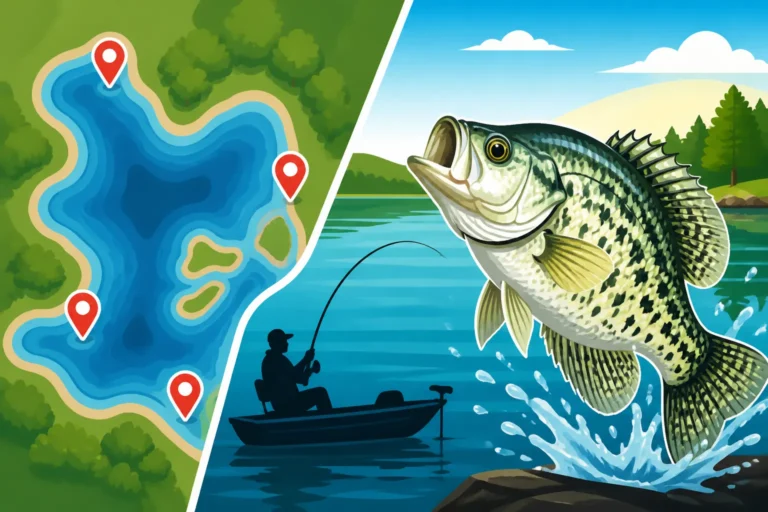
Before you even launch your boat, spend some time with detailed maps of Lake Shafer. Online satellite imagery, like Google Maps, is an incredibly powerful tool. Look for areas with irregular shorelines, deep indentations, or narrow passages that lead into smaller, self-contained sections of the lake. These are often the places that deter larger boats and casual sightseers. Pay close attention to areas where the shoreline is densely wooded or appears steep and rocky, as these are typically less accessible by land and therefore less frequented. You'll want to identify potential entry points, but also visualize the underwater structure if possible – look for sudden depth changes, creek channels, or submerged islands that might indicate prime fish habitat within those coves. Apps like Navionics or Lowrance often provide detailed bathymetric maps that reveal underwater contours, which are invaluable for finding those fish-holding structures.
Understanding Lake Shafer's Unique Geography
Lake Shafer is a man-made reservoir on the Tippecanoe River, known for its long, winding shape and numerous fingers and bays. This unique geography actually works in your favor when seeking seclusion. Unlike a perfectly round lake, Shafer’s intricate shoreline creates many nooks and crannies that are naturally protected from the main channel's boat traffic. Focus on the northern and southern extremities, or any areas away from the main resort activity and popular boat ramps. The lake also has a riverine section which can offer different types of secluded spots compared to the wider, more open reservoir sections. Understanding these differences helps you predict where certain fish species might congregate and where you'll find the most tranquility. If you're looking for Lake Shafer Crappie Fishing Spots, for example, you might want to look at coves with submerged timber.
The Role of Inaccessible Shorelines
The most remote coves are often those with shorelines that are difficult or impossible to access by land. These might be surrounded by private property with no public access, dense forests, or steep, muddy banks. While you can't walk to them, these areas become prime candidates for quiet fishing if you can reach them by boat. The lack of foot traffic means less pressure on the fish and less litter, preserving the natural beauty and ecological balance. Always be mindful and respectful of private property lines when on the water. Even if you're fishing from your boat, avoid anchoring too close to private docks or entering clearly marked private areas. The best remote coves are those that offer a sense of wilderness, far from any visible signs of human development, allowing you to truly immerse yourself in the fishing experience.
Gear and Techniques for Remote Cove Fishing
Once you’ve identified a few promising remote coves on Lake Shafer, it's time to think about what you'll bring and how you'll approach these pristine waters. Your standard gear might work, but a few adjustments can significantly improve your success and enjoyment.
Essential Equipment for Secluded Spots
When heading to remote coves, versatility and portability are key. You're likely dealing with tighter spaces, perhaps overhanging branches, and certainly quieter fish. Consider a medium-light spinning rod and reel combo that's versatile enough for a variety of species like bass, crappie, or even panfish. A rod length of 6'6" to 7' is often ideal for casting in tighter quarters while still offering good leverage. Spool it with 6-10 lb fluorocarbon or monofilament line, which offers a good balance of strength and subtle presentation.
Beyond your rod and reel, pack a small, well-organized tackle box with a diverse selection of baits. Think soft plastics like senkos or creature baits for bass, small jigs and spinners for crappie, and maybe some classic bobber-and-worm setups for bluegill. Having a small anchor or even a shallow-water anchor system like a Power-Pole or Minn Kota Talon can be incredibly useful for holding your position quietly in a precise spot without spooking fish. Don't forget essentials like pliers, line cutters, a small landing net (especially if you're hoping for larger bass or walleye), and plenty of water and snacks, as you might be quite a distance from any amenities. A good pair of polarized sunglasses will also help you spot submerged structure and cruising fish in the clear water often found in these undisturbed areas.
Stealthy Approaches and Casting
The key to success in remote coves is stealth. Remember, these fish are likely less pressured because they're not used to human activity. Any sudden movements, loud noises, or heavy splashes can send them scattering. Approach your chosen cove slowly, cutting your main motor well before you reach your target area and using a silent trolling motor, or better yet, a paddle or oars. Keep your voice low and avoid banging gear around in your boat.
When it comes to casting, aim for precision and subtlety. Skip your lures under overhanging trees or dock structures (if present and publicly accessible) where fish often hide. Make soft, accurate casts that land gently on the water, minimizing disturbance. Often, the first few casts into an untouched spot are the most critical. Consider throwing lighter lures or unweighted soft plastics that create minimal splash. If you're targeting bass, pitching a weightless worm near fallen timber can be incredibly effective. For crappie, a small jig under a bobber can be lethal when presented quietly near brush piles. Remember, these fish aren't expecting you, so a natural, unassuming presentation is your best bet. If you're looking for Bass Fishing Techniques for Beginners, learning to cast accurately and softly is crucial for success in these quiet spots.
Target Species and Baits for Quiet Waters
Lake Shafer is home to a fantastic array of fish, and remote coves can hold them all. Largemouth and smallmouth bass often lurk around submerged trees, rock piles, and weed lines in these quieter areas. For bass, try soft plastic worms, jigs, or small crankbaits. Crappie will often school around brush piles or standing timber, making small jigs or live minnows irresistible. Don’t overlook the abundant bluegill and other panfish, which can offer steady action, especially for beginners or kids; a simple worm under a bobber can lead to a ton of fun. If you're targeting walleye, look for deeper water near submerged points or drop-offs within the cove, and consider using jigging spoons or jerkbaits. Where to Catch Walleye on Lake Shafer would be a great resource to learn more about this species.
Table: Recommended Baits for Remote Coves on Lake Shafer
| Fish Species | Recommended Baits/Lures | Key Characteristics |
|---|---|---|
| Largemouth Bass | Soft plastic worms, jigs, creature baits, spinnerbaits | Mimics natural prey, weedless options |
| Crappie | Small jigs (1/32-1/16 oz), live minnows, small crankbaits | Vertical presentation, subtle action |
| Bluegill | Worms, crickets, small artificial baits, tiny poppers | Natural scent, easy for small mouths |
| Walleye | Jigging spoons, jerkbaits, nightcrawlers | Deep water presentation, vibration |
Live bait like nightcrawlers, red worms, and minnows are always a solid choice for less pressured fish, as they offer natural scent and action. However, using artificial baits allows you to cover more water and often attract more aggressive bites. The key is to experiment and observe what the fish are reacting to on any given day. Remember, the fish here are less wary, so sometimes even a simple presentation can be incredibly effective.
Navigating to Lake Shafer's Hidden Gems
Getting to these remote coves requires more than just a map; it demands thoughtful planning about your mode of transport, awareness of local regulations, and a deep respect for the environment and other property owners.
Boat Access and Considerations
While many anglers visit Lake Shafer, getting into its most remote corners often requires a smaller, more maneuverable vessel. While larger bass boats or pontoons can certainly navigate the main channels, they can be cumbersome in tighter coves with shallow water or dense vegetation. A smaller fishing boat, like a jon boat or a smaller V-hull, gives you much more flexibility. Look for public Best Boat Ramps on Lake Shafer, Indiana that are strategically located away from the busiest parts of the lake.
Before you head out, always check the current water levels, as some coves can become too shallow for propeller-driven boats during periods of low water. A good trolling motor with GPS Spot-Lock features can be invaluable for holding your position without dropping anchor, especially in sensitive areas or over prime fishing structure. Make sure your boat is in good working order, with all necessary safety equipment, especially if you plan to venture far from populated areas. Being stranded in a remote cove is no one's idea of a fun fishing trip. Remember to file a float plan with a friend or family member, letting them know where you’re going and when you expect to return, especially when exploring less-frequented waters.
Kayak and Canoe Advantages
For ultimate stealth and access to the truly hidden gems, kayaks and canoes are unparalleled. These silent vessels allow you to slip into incredibly shallow water and tight spaces that larger boats can’t even dream of reaching. Imagine paddling quietly along a shoreline, casting precisely into pockets of water that have likely never seen a lure. Kayaks, especially dedicated fishing kayaks, offer stability, storage for gear, and even pedal-drive options for hands-free propulsion. Canoes are fantastic for two anglers or for carrying extra gear for a longer, exploratory trip.
The advantages go beyond just access. The low profile of a kayak or canoe makes you less visible to fish, further increasing your chances of success with unpressured fish. You can easily maneuver around fallen trees, over submerged brush, and into the narrowest passages. Just be sure to equip your kayak or canoe with a PFD (personal flotation device), a whistle, and appropriate lighting if you plan to be out around dawn or dusk. Investing in some Kayak Fishing Gear for Indiana Waters can make your experience even more comfortable and productive. Many anglers find that exploring Lake Shafer by paddle craft is the most rewarding way to discover its truly remote and tranquil fishing spots. You might even discover some prime Shore Fishing Access Points on Lake Shafer that are only reachable by walking in from an even more remote launch point, adding to the adventure.
Respecting Private Property and Conservation
As you explore Lake Shafer's remote coves, it's absolutely vital to be a responsible angler. This means respecting private property and adhering to all conservation guidelines. Indiana's waterways are public, but the land directly adjacent to the water often belongs to private landowners. Always maintain a respectful distance from private docks, seawalls, and homes. Look for "No Trespassing" signs or property markers, and never step ashore without explicit permission.
Conservation is also paramount. These remote areas thrive because they are undisturbed. Practice catch and release, especially for larger breeding fish, to help sustain the population. If you do keep fish, only take what you need and adhere strictly to all Indiana Fishing Regulations and Bag Limits Guide. Pack out everything you pack in – absolutely no litter should be left behind. Consider using non-lead sinkers or jigs to prevent environmental contamination. By treating these remote coves with care and respect, we ensure they remain pristine and productive for future generations of anglers seeking quiet solitude on Lake Shafer. While you might use a service like FishingBooker to find a guide to these spots, remember that responsible angling is always the priority.
Disclaimer
Please be aware that fishing conditions, regulations, and access points can change. Always consult the latest Indiana Department of Natural Resources (DNR) guidelines and local signage before heading out. Fishing involves inherent risks, so prioritize safety and be prepared for changing weather conditions.