Where to Catch Steelhead on Indiana’s Lake Michigan Shoreline
If you've ever dreamt of battling a chrome-bright, hard-fighting steelhead but felt overwhelmed by where to even begin your quest in Indiana, you're not alone. It can feel like these elusive fish are hiding secrets only known to a select few seasoned anglers. But don't despair! This comprehensive guide is designed to demystify steelhead fishing on Indiana's Lake Michigan shoreline, breaking down the prime locations, essential gear, and effective techniques you'll need to turn that dream into a thrilling reality.
Understanding Steelhead Habits Along Indiana's Lake Michigan Shoreline
Steelhead, often called "rainbows on steroids" due to their anadromous nature (living in both fresh and saltwater, though for Lake Michigan, it's open lake and rivers), are incredible sportfish. Unlike their landlocked rainbow trout cousins, steelhead undergo a phenomenal transformation, growing larger and developing an almost unparalleled fighting spirit as they migrate between the vastness of Lake Michigan and its tributary rivers. Understanding their behavior is the first step to finding them.
The Annual Migration Cycle of Steelhead
Steelhead in Indiana's Lake Michigan tributaries undertake two primary migration runs: a fall run and a spring run. The fall run typically begins when Lake Michigan's waters start to cool, usually from September through November, often triggered by significant rainfall that raises river levels and drops water temperatures. During this time, they move into the lower stretches of rivers like Trail Creek or the Little Calumet, preparing for the spawning season that will occur in the spring. They might not actively spawn in the fall, but they stage and feed, making them accessible to anglers. The true spawning migration, however, usually kicks off in late winter or early spring, generally from February through April. This is when the fish are truly driven to move upstream to lay their eggs, and the bite can be incredibly aggressive, especially after a fresh pulse of snowmelt or spring rain. If you're planning a trip, knowing the rhythms of these migrations is crucial.
The timing of these runs isn't an exact science; it's heavily influenced by environmental factors. A warm fall might delay the steelhead's push into the rivers, while an early cold snap and heavy rains could bring them in sooner. Similarly, a late, harsh winter can delay the spring run, while an early thaw can kick things off ahead of schedule. Anglers often keep a close eye on weather forecasts and local river gauges, because rising water levels after a good rain are a strong indicator that steelhead will be moving. These fish are masters of timing, using the natural cues of their environment to dictate their movements, making accurate predictions a thrilling challenge for us anglers. Checking local fishing reports or chatting with bait shop owners near the rivers can often give you the most up-to-date insight into when the fish are truly "in."
It's also worth noting that during these migration periods, steelhead are often concentrated in specific areas, especially near river mouths or obstructions that slow their upstream journey. While some fish will remain in the deeper waters of Lake Michigan throughout the year, the most accessible steelhead fishing happens when they enter these tributaries. This is why knowing which rivers and access points are key is so vital. They are following instinct, a powerful urge to return to the streams where they were born, or where they instinctively know they can spawn. This biological imperative makes them predictable to a degree, allowing us to anticipate their arrival and position ourselves for a chance at these incredible fish.
Optimal Environmental Conditions for Steelhead Runs
Steelhead are highly sensitive to changes in water temperature and clarity, as well as river flow. For the fall run, dropping lake temperatures in the 50s and 60s Fahrenheit, coupled with cooler river temperatures in the 40s and 50s, are generally prime. In the spring, river temperatures rising into the high 30s to low 50s are ideal. A sudden cold front can put them off the bite, making them lethargic and less willing to chase. This means paying attention to the weather in the days leading up to your trip, not just on the day you plan to fish, is absolutely essential for success.
River flow is another critical factor. Too low and clear, and steelhead can become skittish, making them harder to approach and less likely to bite. Too high and muddy, and they might blow through an area quickly, or simply be unable to see your presentation. The sweet spot is usually after a decent rain, when the river rises slightly and has a "green tint" – enough color to give the fish confidence, but not so much turbidity that they can't see. This slight increase in flow also helps wash in food, making them more active feeders. It's a delicate balance, and experienced anglers spend years learning to "read the water" and understand what conditions are most likely to bring in a strong bite.
The oxygen levels in the water are also a subtle but important condition. Cooler, well-oxygenated water is where steelhead thrive. This is another reason why they prefer the moving water of rivers, especially after a fresh rain. Stagnant, warm water is not conducive to their activity. When the conditions align – the right temperature, decent flow, and good water clarity – the fishing can be exceptional. However, these perfect conditions don't last forever, so when you find them, make the most of it. Many anglers watch online resources that track local river conditions and water temperatures to help pinpoint these optimal windows, turning what might seem like guesswork into a more scientific approach.
Prime Locations for Shoreline and River Steelhead Fishing in Indiana
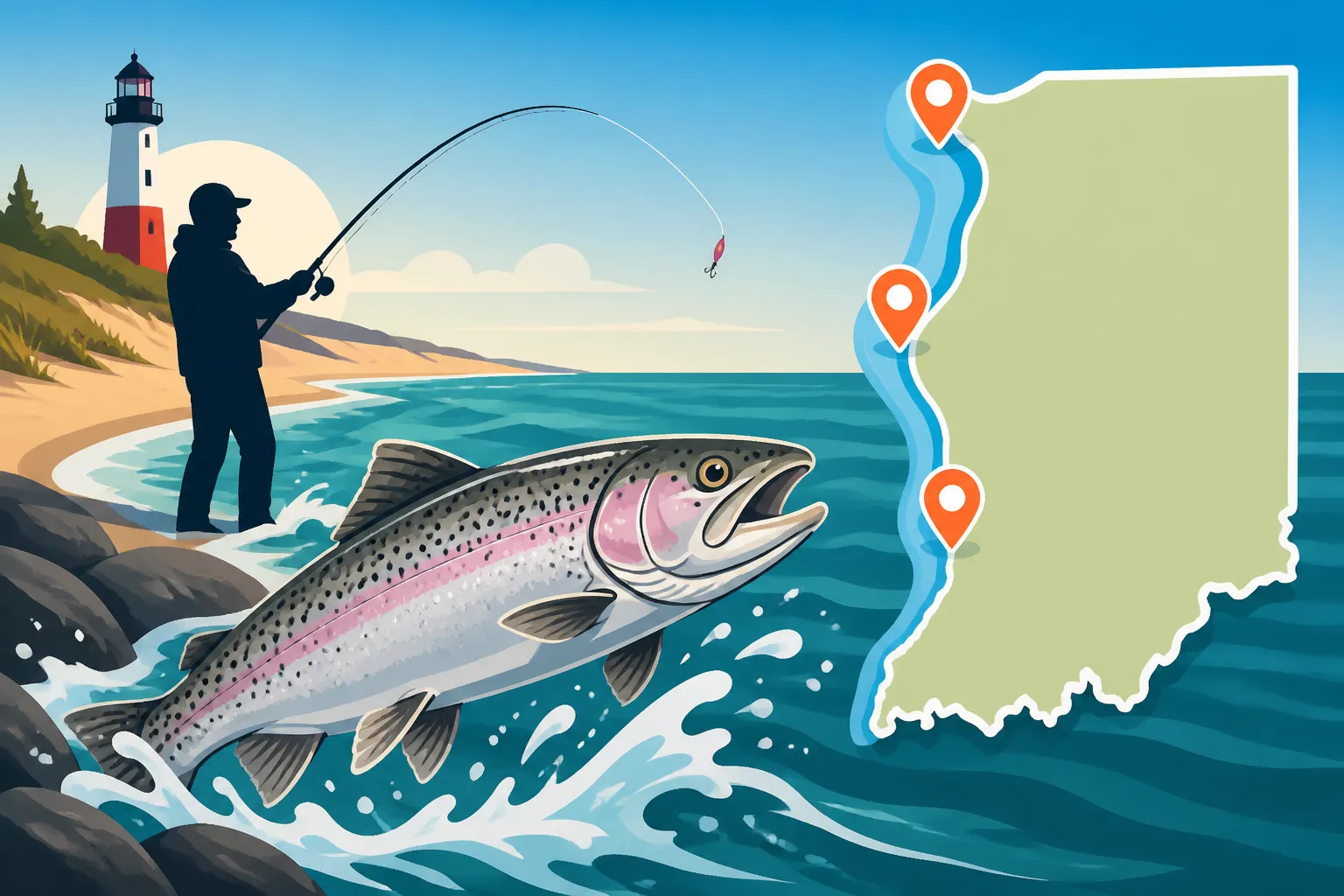
Indiana's Lake Michigan shoreline might be short, but it's packed with fantastic opportunities for steelhead, especially in its unique tributary system. Unlike larger, longer river systems in neighboring states, Indiana's steelhead rivers are generally shorter and steeper, meaning the fish often move through them quickly but can be concentrated in key areas.
Key Tributaries and River Mouths
Without a doubt, the St. Joseph River is a premier destination for steelhead, though its main stem is quite large and complex. Anglers often focus on its lower sections closer to Lake Michigan, particularly around the city of South Bend and Mishawaka. Public access points in these areas, like those found in city parks, offer opportunities for bank fishing or wading. This river sees strong runs of both steelhead and salmon, providing a diverse fishery. The flows can be substantial, so proper safety gear and an understanding of river dynamics are critical when fishing here. Its size means fish can be spread out, requiring more exploration. If you're looking for an Indiana Fishing License Requirements Explained, you'll certainly need one for this river.
Another top-tier spot is Trail Creek in Michigan City. This is perhaps Indiana's most famous steelhead stream, known for its significant runs. The creek itself is relatively small, making fish more concentrated and accessible. Public access is excellent, with numerous spots along the creek, including Washington Park and near the downtown area. The mouth of Trail Creek, where it empties into Lake Michigan, is a perennial hotspot, especially during low-light hours or after a fresh push of rain. Its small size means it can get crowded, so arriving early is often a good strategy. Many anglers find success drifting baits under floats in the deeper pools and runs of this creek.
Further west, you have Salt Creek near Portage and The Little Calumet River, which both also see good runs of steelhead. Salt Creek, winding through Chellberg Farm and the Indiana Dunes National Park, offers a more natural, scenic setting for fishing. Access points can be found in various park areas, and its smaller size also means it responds quickly to rain. The Little Calumet River, particularly the East Branch, is a bit more urban but still holds excellent numbers of fish. Access points can be found near towns like Portage and in some dedicated public access areas. These rivers, while perhaps not as famous as Trail Creek, often offer good opportunities, especially if you're willing to explore a bit. The challenge with these smaller streams is often finding specific holding water, but once you do, the rewards can be great.
| River/Location | Primary Seasons | Typical Access | Key Techniques | Notes |
|---|---|---|---|---|
| St. Joseph River (Lower) | Fall, Spring | Bank, Wading | Drifting, Casting Spoons | Large river, often less crowded than smaller creeks. |
| Trail Creek (Michigan City) | Fall, Spring | Bank, Wading, Pier | Float Fishing (Spawn/Beads), Jigs | Very popular, can be crowded. Excellent runs. |
| Salt Creek (Portage) | Fall, Spring | Bank, Wading | Drifting, Small Spinners | Scenic, good for exploring. Water levels fluctuate. |
| Little Calumet River (East Branch) | Fall, Spring | Bank, Wading | Drifting, Bottom Bouncing | More urban, but holds good numbers of fish. |
| Michigan City Pier | Fall, Spring | Pier | Casting Spoons, Drifting Bait (under float or bottom) | Access deep water, strong currents, busy during runs. |
Public Piers and Lake Michigan Shore Access Points
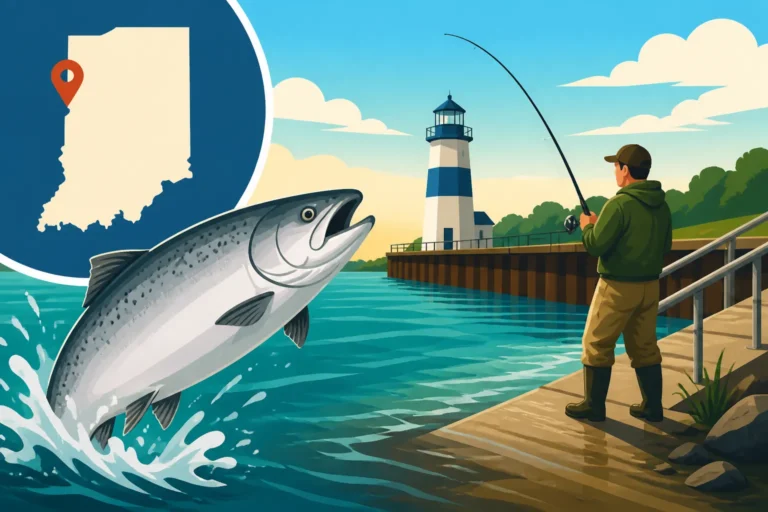
Beyond the rivers, Indiana's Lake Michigan shoreline offers excellent pier fishing for steelhead, particularly in Michigan City. The Michigan City Pier extends far into Lake Michigan, providing access to deeper water where steelhead cruise before or after entering the river system. It's a fantastic spot for casting spoons, stickbaits, or even drifting spawn bags under a float, especially during periods of high wind or big waves when river fishing might be difficult or muddy. This pier is also famous for its salmon runs, so you might catch an unexpected bonus! The pier itself is quite long, offering various vantage points to target different depths and current seams.
Other pier and breakwall opportunities exist along the coastline, such as the breakwalls in Portage Lakefront and Riverwalk or the structures in Hammond/East Chicago. While these might not always concentrate steelhead as effectively as the Michigan City Pier or specific river mouths, they can still produce fish, particularly during peak migration times when steelhead are moving along the coast. These spots provide access to deep water and strong currents, which steelhead often utilize as highways to their spawning grounds. Fishing on these structures requires awareness of marine conditions, as waves can be significant.
Furthermore, anglers can also find success fishing directly from the Lake Michigan shoreline, especially near the mouths of these rivers. Public access points within Indiana Dunes State Park or Washington Park in Michigan City allow anglers to cast from the beach or wade a short distance into the lake. This can be particularly effective when a strong current is drawing river water out into the lake, creating a "current seam" that steelhead will follow. When the conditions are right – a slight chop on the water, but not so rough that it's unfishable – these nearshore areas can be incredibly productive, often with fewer crowds than the main river sections. Remember that Lake Michigan Fishing Rules for Indiana Anglers can sometimes differ from inland regulations, so always double-check.
Gear, Baits, and Effective Techniques for Indiana Steelhead
Successfully targeting steelhead in Indiana requires a thoughtful approach to your tackle and techniques. These fish are powerful, often picky, and demand respect. Having the right setup can make all the difference between a missed opportunity and landing a trophy.
Recommended Rods, Reels, and Line Setups
For steelhead fishing, you'll want a rod that offers a good balance of sensitivity for detecting subtle bites and backbone for fighting powerful fish in strong currents. Most seasoned steelhead anglers opt for spinning rods between 8 and 10.5 feet in length, with a medium-light to medium action. A longer rod provides better line control, especially when drift fishing with a float, allowing you to mend your line effectively and keep your bait in the strike zone longer. This extra length also helps absorb the shock of a steelhead's powerful runs and jumps, preventing break-offs. Brands like Fenwick, Okuma, or St. Croix are popular among steelhead enthusiasts for their quality and durability, but even a good quality budget rod can get you started.
Pair your rod with a reliable spinning reel in the 2500-4000 series. The reel should have a smooth drag system, which is paramount for fighting a steelhead. These fish are notorious for their blistering runs, and a sticky or jerky drag will lead to snapped lines and lost fish. Spool your reel with 8-12 pound test monofilament or fluorocarbon line. Monofilament offers good stretch, which can act as a shock absorber, while fluorocarbon is nearly invisible underwater and has less stretch for better sensitivity. Many anglers prefer to use a main line of monofilament and tie on a fluorocarbon leader (6-10 pound test) for stealth and abrasion resistance. A good quality leader material, such as those from Seaguar or Berkley, is a worthy investment, as it's the critical link between you and the fish.
When setting up your leader, aim for a length of 2-4 feet, depending on water clarity and depth. The connection to your main line should be a strong, reliable knot like an Alberto knot or a double-uni knot. This setup provides a stealthy presentation while giving you the strength needed to handle a feisty steelhead. Don't cheap out on your line; it's the weakest link in your system, and a quality line can withstand the sharp jaws and powerful surges of these magnificent fish. Remember, while an Indiana Resident Annual Fishing License Cost might be affordable, losing a hard-won fish due to flimsy line can feel much more expensive.
Top Baits and Lures for Steelhead Success
Steelhead can be enticed by a variety of offerings, and successful anglers often carry a diverse selection. Spawn bags are arguably the most effective natural bait for steelhead, mimicking their own eggs or those of salmon. These small mesh bags, filled with cured salmon or steelhead eggs, are incredibly attractive to staging and spawning fish. They come in various colors, but natural orange, pink, and chartreuse are perennial favorites. You can buy them pre-tied or make your own for a cost-effective option. Presenting them naturally, drifting with the current, is key.
For artificial presentations, small jigs tipped with a wax worm, a piece of corn, or even just fished plain, can be deadly. Sizes typically range from 1/32 to 1/8 ounce, in colors like black, white, pink, or chartreuse. When the water is clear, natural colors might work better; in stained water, brighter colors provide more visibility. Beads are another popular and highly effective artificial bait, designed to imitate single fish eggs. They are typically threaded onto your leader above a small hook, allowing for a realistic, free-drifting presentation. Again, natural egg colors are popular, but don't shy away from brighter "hot spot" colors.
Beyond natural imitations, spoons and spinners are excellent choices, especially when steelhead are actively feeding or chasing. Spoons like the Little Cleo, Krocodile, or Castmaster, in silver, gold, or flashy color patterns (like blue/silver or orange/gold), can trigger aggressive strikes. Sizes from 1/4 to 3/8 ounce are generally good. Spinners, such as Mepps Aglia or Rooster Tail, with brightly colored blades (chartreuse, orange, silver), are also highly effective, particularly when retrieved with a steady hand through current seams or deeper pools. Always remember that what works one day might not work the next, so be prepared to experiment with different baits, lures, and colors until you find what the fish are keying in on.
Mastering Drift Fishing and Casting Techniques
The most productive technique for steelhead in Indiana's rivers is drift fishing under a float (often called "float fishing" or "bobber fishing"). This involves rigging your bait (spawn bag, bead, or jig) below a slip float, allowing it to drift naturally with the current. The key is to set your depth correctly so your bait is drifting just above the river bottom, where steelhead often hold. Cast upstream, allow your float to drift downstream, and "mend" your line (picking up slack by flipping your rod tip upstream) to keep a drag-free drift. Any hesitation or dip in the float signals a bite, and that's your cue to set the hook quickly and firmly. This technique demands constant attention and practice, but it's incredibly rewarding.
When fishing from piers or the lakefront, casting and retrieving spoons or spinners is often the go-to method. Make long casts, allowing your lure to sink to the desired depth, then retrieve with a steady pace. Experiment with different retrieve speeds and occasional pauses or twitches to mimic an injured baitfish. Some anglers also use bottom bouncing rigs when fishing deeper holes in rivers or from piers, particularly with natural bait. This involves using a heavy sinker that bounces along the bottom, keeping your bait in the strike zone. It's a more active bottom fishing technique that can be very effective when fish are hugging the riverbed.
No matter the technique, presentation is everything. Steelhead are often wary, and unnatural drifts or retrieves will quickly put them off. Pay attention to the current, and try to make your bait look as natural as possible. If you're fishing a popular spot, observe what successful anglers are doing. Sometimes a slight adjustment in your weight, leader length, or bait color can make a huge difference. Don't be afraid to move if a spot isn't producing. These fish move, and you should too. Learning to adjust and adapt is a hallmark of a successful steelhead angler.
Essential Tips for a Successful Indiana Steelhead Trip
A successful steelhead trip involves more than just knowing where to go and what to throw; it's about planning, preparedness, and safety. These factors can significantly enhance your chances of not only catching fish but also having an enjoyable and secure experience on the water.
Planning Your Excursion and Maximizing Your Chances
Thorough planning is your best friend when chasing steelhead. First and foremost, always check the local weather forecast and river conditions (water levels, clarity, temperature) before you head out. Websites like the USGS often provide real-time river data for major tributaries, which can be invaluable. Knowing what to expect allows you to dress appropriately, select the right gear, and adjust your expectations. A sudden drop in temperature or a massive rainstorm can completely change the fishing from one day to the next.
Consider timing your trip around peak migration periods – generally late fall to early winter and early spring. However, remember that "peak" can vary year to year, so flexible planning is ideal. If you're new to the area or steelhead fishing in general, one of the best ways to maximize your chances is to consider hiring a local guide. A good guide knows the rivers intimately, understands the steelhead's current patterns, and can provide all the necessary gear and instruction. They can quickly put you on fish, teach you the nuances of the local techniques, and dramatically shorten your learning curve. You can find excellent, experienced charter captains and guides specializing in Indiana steelhead on platforms like FishingBooker, which makes it easy to compare options and book a trip that fits your needs.
Don't forget the importance of scouting. If you have the opportunity, drive by your chosen fishing spots a day or two before your trip to see the water firsthand. Observe how the river is flowing, where other anglers are congregating, and look for signs of fish activity. Early morning is often the most productive time, especially during peak runs, as fish are often more active and less pressured. Being on the water before dawn gives you the best chance to secure a prime spot and witness the magic of a steelhead bite as the sun rises. When using resources like FishingBooker, you can often filter for guides that specialize in early morning or specific seasonal trips.
Navigating Licenses, Stamps, and Safety Guidelines
Before you even make your first cast, you must ensure you have all the necessary paperwork. In Indiana, every angler 18 years of age or older needs a valid Indiana fishing license. Beyond the general fishing license, if you plan to target trout or salmon, including steelhead, in Lake Michigan or its tributaries, you will also need an Indiana Trout and Salmon Stamp. This stamp is an additional purchase but is absolutely critical for legal fishing. Penalties for fishing without the proper licenses and stamps can be significant, ranging from fines to confiscation of gear. It's always better to be safe than sorry, so check the Indiana Department of Natural Resources (DNR) website for the most current regulations and to purchase your licenses and stamps. You can also review information on the Indiana Trout and Salmon Stamp Requirements.
Safety is paramount, especially when fishing in rivers and on piers, which can present unique hazards. When wading in rivers, always wear appropriate waders with felt soles or studded boots for grip. A wading belt is non-negotiable, as it can prevent water from filling your waders if you take an unexpected spill, which could lead to a dangerous situation. Always wade cautiously, testing the depth and current with each step. Never wade alone in unfamiliar or fast-moving water. The bottoms of these rivers can be slick with algae-covered rocks and unpredictable drop-offs.
When fishing from piers or breakwalls, be mindful of slippery surfaces, especially when wet or icy, and strong waves that can wash over the structure. Always be aware of your surroundings, especially if boats are passing by. Dress in layers, as weather conditions can change rapidly on Lake Michigan. A good quality rain suit is also a wise investment. Carrying a small first-aid kit, a whistle, and knowing how to call for help are also crucial safety considerations. Remember, these are natural environments, and while beautiful, they demand respect and careful preparation.
Staying Respectful and Ethical on the Water
As anglers, we are stewards of the natural environment, and practicing ethical fishing is crucial, especially when targeting popular species like steelhead. Always follow catch limits and size restrictions, and if you're not keeping fish, practice proper catch-and-release techniques to ensure the fish's survival. This means minimizing handling time, keeping the fish in the water as much as possible, using barbless hooks, and reviving fish gently before release. The future of our fisheries depends on these practices.
Be courteous to other anglers. Popular steelhead spots can get crowded, so maintaining a reasonable distance from others and avoiding "walking through" someone's fishing spot is common etiquette. Share the space, and if a spot is clearly occupied, find another. It's all about mutual respect. Dispose of all trash properly; leave no trace behind. This includes discarded fishing line, bait containers, and any other litter. Our waters and shorelines are precious resources, and keeping them clean and pristine benefits everyone. When you book a trip through a service like FishingBooker, many guides emphasize these ethical practices, ensuring a sustainable future for steelhead fishing. By following these guidelines, you contribute to a positive angling community and help preserve the incredible experience of fishing for steelhead for generations to come.
Disclaimer
Please note that fishing regulations and conditions can change. Always consult the official Indiana Department of Natural Resources (DNR) website for the most current fishing regulations, license requirements, and safety guidelines before planning your trip. The information provided in this guide is for general informational purposes only and does not constitute professional advice.