The Best Rivers for Fishing in Indiana
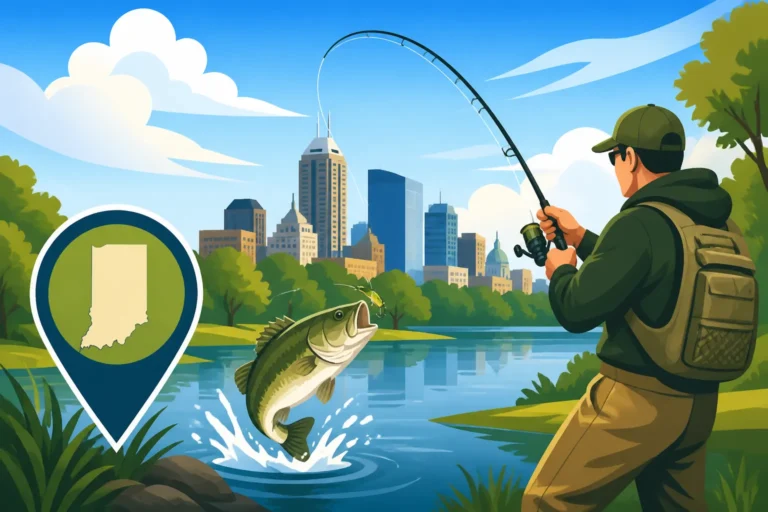
When you think about fishing in Indiana, your mind might instantly jump to our fantastic lakes and reservoirs like Monroe or Patoka. But let me tell you, if you're overlooking Indiana's incredible river systems, you're missing out on some of the most dynamic and rewarding angling experiences our state has to offer. Trying to figure out where to start on these winding waterways can feel a bit overwhelming, but don't worry – this comprehensive guide is here to help you navigate Indiana's best fishing rivers, uncover their secrets, and get you hooked on flowing water adventures.
Why River Fishing in Indiana is a Unique Experience
There’s a certain magic to river fishing that you just don't find on still waters. The constantly moving current, the ever-changing landscape, and the distinct challenges and rewards it presents make it a truly special pursuit. While lakes offer their own charm, rivers provide a different kind of wildness, a direct connection to the pulse of the land.
Beyond the Lakes: The Allure of Flowing Water
Lakes can feel predictable after a while, with fish often holding to specific structures or depth contours that don't change much day to day. Rivers, however, are dynamic environments. The flow changes with rainfall, seasons, and even daily dam releases, constantly reshaping sandbars, creating new eddies, and moving debris that forms fresh fish habitat. This constant change means you're always learning, always adapting, and always on the lookout for new opportunities. It's a living, breathing fishery that challenges you to think on your feet and truly "read" the water. Plus, there's the undeniable beauty of casting along a tree-lined bank or drifting silently downstream, experiencing Indiana's natural landscapes in a way that few other activities allow.
Diverse Habitats, Diverse Catches
Indiana's rivers offer an incredible variety of habitats, from shallow, rocky riffles perfect for smallmouth bass, to deep, slow pools that are prime territory for catfish and walleye, and even swift, cold stretches where trout can thrive. This diversity means that no matter what kind of fish you're after, there's likely a river or a section of a river that caters to it. You might start your day targeting hard-fighting smallmouth in a rocky section and then, just a few miles downstream, switch your tactics entirely to pursue channel catfish in a deep bend. This constant potential for different species keeps things exciting and allows anglers to hone a wide range of techniques, making every outing a new adventure. The varying water temperatures and current speeds also contribute to this biodiversity, supporting different insect hatches and baitfish populations throughout the year.
Navigating River Challenges
Let's be real, river fishing isn't always a walk in the park. The current itself can be a major challenge, requiring specific casting techniques, heavier weights, and careful boat control. Snags are often plentiful, hidden beneath the surface, eagerly awaiting your lure. Access can also be tricky; unlike many lakes with developed ramps and shorelines, some of the best river spots are only reachable by wading, kayak, or smaller jon boats launched from less-improved access points. Plus, fluctuating water levels can make a familiar spot completely different from one week to the next. But these very challenges are what make success in river fishing so much more satisfying. Overcoming them builds skill and provides a deep understanding of the river's character. Learning to "read the water" and understand how fish relate to current and structure is a fundamental skill that every serious angler should develop, and rivers are the best classroom.
The Mighty Wabash River: Indiana's Iconic Waterway
The Wabash River, Indiana's state river, carves a massive, winding path through the heart of the state, stretching over 500 miles. It's truly an angler's paradise, offering an incredible variety of fishing experiences from its headwaters near Ohio to its mouth at the Ohio River. This isn't just a river; it's a living legend, and it absolutely deserves a top spot on any Indiana angler's bucket list. Whether you're a seasoned pro or just getting started, the Wabash has something to offer, often presenting a fresh challenge with every bend and riffle.
Species You'll Encounter on the Wabash
When you think about fishing the Wabash River in Indiana, a few species immediately come to mind. For many, the channel catfish is king here. These hard-fighting fish are abundant throughout the river, especially in the deeper holes and slower stretches. They provide excellent sport and make for some fantastic table fare. Beyond catfish, the Wabash is also renowned for its smallmouth bass, particularly in the clearer, rockier upstream sections. These bronzebacks are feisty fighters that love to ambush bait from behind structure. You'll also find plenty of largemouth bass in the quieter backwaters and oxbows, often relating to submerged timber and weed beds.
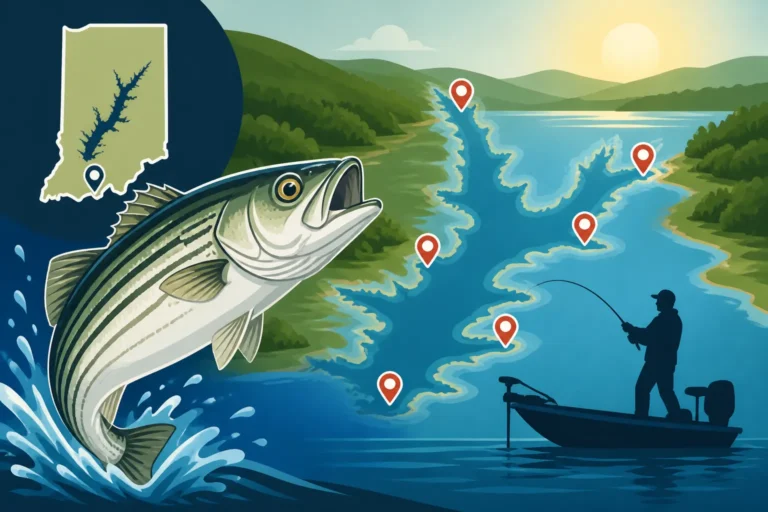
But the Wabash doesn't stop there. It's also home to healthy populations of flathead catfish, especially in the lower reaches, which can grow to truly monstrous sizes. White bass make strong runs in the spring, providing fast-paced action. You might even stumble upon walleye in certain stretches, though they're not as numerous as in some of Indiana's northern lakes. And for the panfish enthusiast, crappie and bluegill can be found in abundance in tributary mouths and calmer embayments. Don't forget the occasional striped bass (wipers) in areas near reservoirs that feed into the Wabash system. It's truly a diverse fishery that can keep you guessing with every cast.
Best Access Points and Techniques for the Wabash
Access to the Wabash River is surprisingly good, given its length. Public boat ramps and shore access points are scattered along its entire course. For a comprehensive list of specific spots, check out guides on where to fish the Wabash River in Indiana. For shore anglers, municipal parks in towns like Lafayette, Logansport, and Terre Haute often provide easy access to good fishing spots, especially below dams or around bridge pilings. Kayakers and canoeists will find endless opportunities to explore quieter stretches, especially in the upper and middle river where current is more manageable.
When it comes to techniques, bottom fishing with cut bait, chicken livers, or nightcrawlers is deadly effective for catfish. Look for deeper holes, current seams, and brush piles. For smallmouth bass, focus on rocky areas, riffles, and current breaks. Small crankbaits, spinnerbaits, tube jigs, and soft plastic creatures fished on a shaky head or Texas rig are all excellent choices. In the slack water areas for largemouth, target structure with jigs, Texas-rigged worms, or topwater frogs during low light. Trolling crankbaits can also be effective in wider, deeper sections for a variety of species. Remember to always adjust your bait and presentation to the specific conditions you encounter, considering current speed and water clarity.
Seasonal Strategies for Wabash River Success
Understanding the seasonal patterns can dramatically improve your success on the Wabash. Spring is a fantastic time, especially for white bass runs, and catfish become very active as water temperatures rise. Look for white bass congregating below dams or at tributary mouths. Smallmouth bass also become aggressive as they prepare for the spawn. Summer can be hot, but night fishing for catfish is phenomenal. During the day, seek out deeper, cooler waters or shaded areas. Topwater action for bass can be good during dawn and dusk.
As fall arrives and water temperatures drop, fish activity picks up again. This is prime time for smallmouth bass and walleye, as they feed heavily before winter. Look for fish concentrating on structure in deeper pools. While winter fishing on the Wabash can be challenging due to cold temperatures and potentially icy conditions, dedicated anglers can still find success with slow presentations for catfish in the deepest holes or by targeting walleye near dams. Always prioritize safety, especially during colder months. The best time of year to fish in Indiana often varies by species, so tailor your trip to your target.
The White River System: Urban and Wilderness Angling
Indiana's White River system is another magnificent network, offering a remarkable diversity of fishing experiences. Composed primarily of the West Fork and East Fork, which merge to form the main stem, this river provides everything from secluded wilderness angling to urban fishing opportunities right in the heart of Indianapolis. It's a river system that truly reflects the varied landscape of our state.
North Fork White River: Smallmouth Heaven
The North Fork of the White River (often referred to as the West Fork in its upper and middle sections) is a treasure trove, particularly for smallmouth bass. As it flows through more rural, agricultural areas, it often maintains clearer waters and boasts excellent habitat for bronzebacks. Rocky riffles, undercut banks, and fallen trees provide perfect ambush points. This is where you'll want to focus your efforts for those hard-fighting smallmouth.
Anglers often find success wading or floating these sections in a kayak or canoe. Look for areas with a good mix of current and structure. Small crankbaits that mimic crawfish or baitfish, spinnerbaits, tube jigs, and soft plastic creature baits are incredibly effective. A great strategy is to cast upstream and allow your lure to drift naturally with the current, retrieving just fast enough to impart action. This river demands precise presentations, but the rewards—vigorous strikes and acrobatic jumps from healthy smallmouth—are well worth the effort. It's a fantastic place to practice river fishing techniques.
South Fork White River: Catfish and Bass Opportunities
The East Fork of the White River, particularly its lower stretches before it merges with the West Fork, tends to be wider, slower, and often muddier, especially after rain. This character makes it ideal habitat for a different set of species, most notably catfish and largemouth bass. While smallmouth can still be found, especially in clearer tributaries, the main channel here is where the big cats and bucketmouths often roam.
Bottom fishing is the name of the game for catfish, with stink baits, cut bait, and live nightcrawlers being top choices. Target deep holes, log jams, and areas with slower current. For largemouth bass, focus on oxbow lakes, backwater sloughs, and any heavy cover like lily pads or submerged timber. Spinnerbaits, chatterbaits, and weedless jigs are excellent for these conditions. This section of the river also holds a good population of flathead catfish, which prefer live bait such as bluegill or sunfish. If you're looking to put some meat in the cooler, or battle a true river monster, the East Fork offers prime opportunities.
Fishing the White River Near Indianapolis
One of the most remarkable aspects of the White River is its accessibility, even in a major urban center like Indianapolis. While the river here might not offer the pristine wilderness experience of other sections, it provides fantastic fishing opportunities right in the city's backyard. The river flows directly through Indianapolis, offering numerous parks and access points where you can wet a line.
You'll find channel catfish, largemouth bass, and various panfish species in decent numbers within the city limits. Fishing techniques here are similar to other parts of the river, but you might want to adapt to the urban environment. Look for bridge pilings, submerged debris from urban runoff, and any visible structure that creates current breaks. Bank fishing is very popular in these areas. While water quality can be a concern for some, significant efforts have been made to improve it, and many anglers regularly harvest fish from these waters. Places like Riverside Park or access points along the Monon Trail near the river offer convenient options. Exploring different fishing spots near Indianapolis, Indiana can yield surprisingly good results.
Tippecanoe River: A Northern Indiana Gem
The Tippecanoe River, flowing through north-central Indiana, is widely considered one of the state's most pristine and ecologically diverse waterways. Renowned for its clear water, abundant aquatic vegetation, and beautiful limestone bedrock, it’s a favorite among anglers seeking a more natural river fishing experience. This river system provides a truly scenic backdrop to your fishing adventures, making it a beloved spot for many Hoosier anglers.
Target Species in the Tippecanoe
The Tippecanoe River truly shines as a premier smallmouth bass fishery in Indiana. The clean, flowing water, gravel bottoms, and ample rock structure create an ideal environment for these hard-fighting fish. Anglers from all over the state flock here specifically for the chance to tangle with the river's bronzebacks. You'll find them holding in current seams, around boulders, and near fallen trees. They are aggressive feeders and provide a thrilling fight on light to medium tackle.
Beyond smallmouth, the Tippecanoe also supports healthy populations of largemouth bass in its quieter pools and oxbows, often near lily pads or dense submerged weeds. Channel catfish are also present, particularly in the deeper, slower stretches, offering a great alternative for anglers looking for a different fight. Additionally, various panfish, including bluegill and crappie, thrive in the river's backwaters and calmer sections, making it a great place for family outings. Keep an eye out for walleye in some areas, though they are less common than in the Wabash or some northern glacial lakes.
Best Sections for Wading and Kayaking
One of the best ways to experience the Tippecanoe River is by wading or floating it in a kayak or canoe. Its relatively moderate current, especially in the middle and upper sections, makes it ideal for these approaches. Many outfitters along the river offer rentals and shuttle services, making a day trip incredibly convenient. Popular sections for floating include stretches near Winamac, Monterey, and Rochester.
When wading, focus on areas with visible gravel bars, rocky riffles, and current breaks. Safety is paramount, so always wear a good pair of wading boots with felt soles for grip, and use a wading staff for stability. For kayaks and canoes, these vessels allow you to cover more water and reach spots inaccessible to shore anglers. Focus your efforts on casting to structure such as log jams, overhanging trees, and rocky points. The experience of silently paddling down the river, casting to untouched spots, is an unforgettable one. Exploring these waters can lead you to some of the best fishing access points on the Tippecanoe River in Indiana.
Planning Your Tippecanoe River Adventure
A successful trip to the Tippecanoe requires a bit of planning. First, check the river levels before you go. The Tippecanoe can fluctuate with rainfall, and very high water can make wading or paddling unsafe, while extremely low water can expose too many shallow areas for comfortable navigation. Online resources like the USGS streamflow data for Indiana can provide real-time information.
Consider hiring a local guide if you're new to river fishing or unfamiliar with the Tippecanoe. A guide can provide invaluable insight into current conditions, hot spots, and effective techniques. Many local bait shops also offer excellent advice. Pack light but bring essential gear: appropriate tackle for smallmouth (lures mentioned above), plenty of water, sunscreen, and a way to safely store your catch if you plan to keep fish. Remember to always practice leave-no-trace principles to preserve this beautiful resource for future generations.
St. Joseph River: A Northern Powerhouse for Migratory Fish
The St. Joseph River, or "St. Joe" as it's affectionately known, is a true standout among Indiana's rivers, particularly for its unique and thrilling migratory fish runs. Flowing through northern Indiana and into Michigan, this river system is unlike any other in the state, offering opportunities to catch species typically associated with the Great Lakes. For anglers seeking a dynamic and often intense fishing experience, the St. Joe is a must-visit.
Steelhead and Salmon Runs: A Thrilling Pursuit
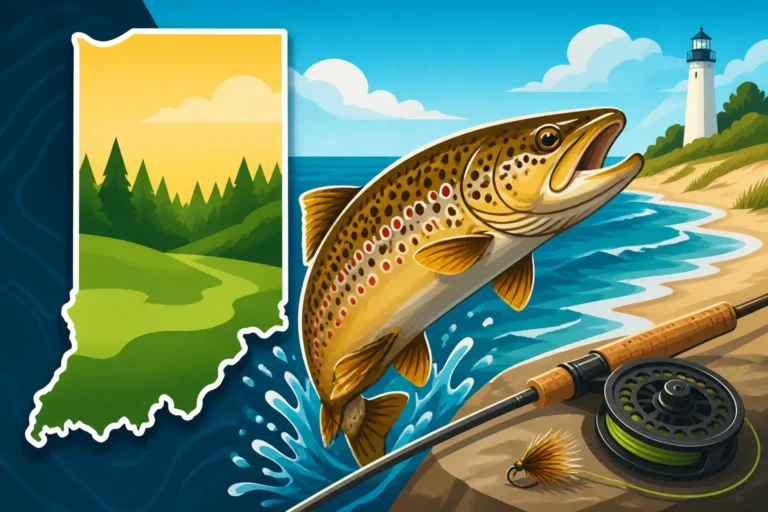
The St. Joseph River is unequivocally Indiana's premier destination for steelhead (migratory rainbow trout) and salmon. These anadromous fish make incredible runs from Lake Michigan into the river to spawn, creating an adrenaline-pumping fishery during specific times of the year. The fall salmon run sees Chinook (King) and Coho salmon entering the river, followed by the first waves of steelhead. The steelhead run then continues through the winter (for dedicated ice-fishing and open-water anglers) and peaks again in the spring.
Catching a fresh-run steelhead or salmon is an unforgettable experience. These fish are incredibly powerful, making long, blistering runs and often leaping clear out of the water. Popular techniques include drift fishing with spawn bags, beads, or natural baits like skein, often fished under a float (bobber). Fly fishing is also highly effective, with various egg patterns, nymphs, and streamers mimicking the available forage. Anglers line the banks and drift in boats, eagerly awaiting the tell-tale tug. Check out a guide on fishing the St. Joseph River in Indiana for more detailed strategies on this incredible fishery.
Other Species and Local Hotspots
While the migratory runs get most of the attention, the St. Joseph River is far from a one-trick pony. Outside of the salmon and steelhead seasons, or in sections less impacted by the runs, the river supports a robust population of smallmouth bass. These feisty fighters can be found in rocky areas, current seams, and around submerged structure. Standard smallmouth tactics like crankbaits, jigs, and soft plastics work well.
Walleye also inhabit the St. Joe, particularly in deeper pools and around dam structures. Jigging or trolling crankbaits are effective methods for targeting them. Channel catfish are present throughout the river, offering consistent action for those who prefer bottom fishing. And of course, various panfish can be found in calmer backwaters. Key hotspots for the migratory runs include areas below the Twin Branch Dam in Mishawaka, and the sections near South Bend. These areas create natural bottlenecks that concentrate fish, making for excellent opportunities.
Essential Gear for St. Joe Fishing
Given the power and size of the fish you're targeting on the St. Joseph River, having the right gear is crucial. For steelhead and salmon, a medium-heavy spinning rod (8-10 feet) or a drift rod with a matching reel spooled with 10-12 lb monofilament or fluorocarbon main line, and a slightly lighter leader, is a good starting point. You'll need an assortment of floats, split shot, and hooks to present your baits effectively. If you're planning on fly fishing, a 7-8 weight rod with a matching large arbor reel and appropriate sinking or floating lines for different techniques is essential.
Waders are highly recommended, as many prime spots are best accessed by wading into the river. For safety, always wear a life jacket, even when wading, as currents can be strong, especially after heavy rains. A good landing net with a long handle and rubber mesh (to protect the fish) is also a must-have for safely landing these big, powerful fish. Don't forget your Indiana fishing license requirements explained before heading out, and if you plan to keep trout or salmon, you'll need an Indiana Trout and Salmon Stamp as well.
Other Notable Rivers for Indiana Anglers
While the Wabash, White, and St. Joseph rivers often grab the spotlight, Indiana is blessed with many other fantastic river systems that offer unique and rewarding fishing experiences. These lesser-known, or simply different, waterways often provide incredible opportunities for specific species or a more tranquil angling adventure away from the crowds.
Kankakee River: Pike and Bass Action
Flowing through the marshy, northern part of Indiana before heading into Illinois, the Kankakee River is a distinctive waterway, often referred to as the "Everglades of the Midwest." Its slow-moving, often tea-stained waters, dense weed beds, and numerous backwaters make it prime habitat for species that thrive in such environments.
The Kankakee is especially renowned for its northern pike fishing. These aggressive predators lurk in the vegetation, ready to ambush unsuspecting prey. Large spinnerbaits, spoons, jerkbaits, and even live minnows are excellent choices for pike. It's also an exceptional largemouth bass fishery, with plenty of cover for them to hide in. Flip jigs, Texas-rigged plastics, and frog lures over and around the dense weeds for explosive strikes. While not as famous for smallmouth, you can find them in clearer, harder-bottomed sections, especially upstream. The Kankakee is also home to a good population of walleye, particularly during spring and fall, and ample panfish. If you’re looking for a challenging, cover-oriented fishery, the Kankakee delivers.
Eel River: Hidden Gems for Smallmouth and Panfish
Indiana actually has two Eel Rivers, one in the north and one in the south. The Northern Eel River, a tributary to the Wabash, is a smaller, often overlooked gem. It's known for its clear water, gravel and rock bottoms, and an abundance of smallmouth bass. This river offers a more intimate fishing experience, perfect for wading or floating in a small craft.
Smallmouth here respond well to smaller crankbaits, tube jigs, and spinnerbaits. Focus on current breaks, rocky riffles, and undercut banks. In the slower, deeper pools, you'll find healthy populations of channel catfish and a variety of panfish, including robust bluegill and rock bass. The northern Eel River is a fantastic place for anglers who appreciate solitude and the challenge of a smaller, more technical river. It’s also an excellent choice for a family outing where kids can easily catch panfish.
Blue River: Southern Indiana's Scenic Trout Stream
For something truly different in Indiana, head south to the Blue River in Harrison and Crawford counties. This scenic river, known for its clear, cool waters and limestone bluffs, is one of Indiana's only streams where you can target trout. The Indiana Department of Natural Resources (DNR) regularly stocks rainbow trout in certain sections of the Blue River, creating a unique cold-water fishery in southern Indiana.
Trout fishing here involves light tackle, often using small inline spinners, spoons, artificial worms, or natural baits like corn and salmon eggs. Fly fishing with nymphs, dry flies (during hatches), and streamers can also be very productive. Beyond trout, the Blue River also holds good populations of smallmouth bass, rock bass, and channel catfish in its warmer stretches. It's an exceptionally beautiful river for paddling, offering stunning scenery alongside its fishing opportunities. Always check DNR stocking schedules and specific regulations for trout fishing, as they can differ from general warm-water species rules.
Essential River Fishing Tips and Considerations
Fishing rivers effectively requires a different mindset and skillset compared to fishing lakes. The dynamic nature of flowing water means constant adaptation, but with a few key principles, you can significantly increase your success and safety.
Reading the Water: Current, Structure, and Depth
Learning to "read the water" is perhaps the most crucial skill for river fishing. Fish in rivers are constantly seeking current breaks where they can rest out of the main flow while still having access to food drifting by. Look for:
- Eddies and Seams: These are areas of slower or even reverse current, often found downstream of obstructions like rocks, logs, or bridge pilings. The seam where the fast and slow water meets is a prime ambush point.
- Submerged Structure: Fallen trees (log jams), boulders, and rock piles create ideal hiding spots and current breaks. Fish will often sit directly in front, behind, or to the sides of these structures.
- Riffles and Runs: Shallow, fast-moving water over gravel or rock bottoms (riffles) often leads into deeper, smoother sections (runs). Fish will stage in the runs, especially below the riffles, waiting for food to wash down.
- Depth Changes: Pay attention to drop-offs, sudden changes in bottom contour, and deeper holes. These provide sanctuary, especially during hot weather or when water levels are low. A good fish finder can be invaluable on deeper rivers for identifying these nuances, helping you pinpoint where fish are most likely holding.
- Water Clarity and Speed: Clear, slower water often means fish are more wary, requiring lighter lines and more subtle presentations. Murky, faster water might call for brighter baits and more aggressive retrieves.
Understanding these elements helps you predict where fish will be and how best to present your lure or bait. It's a skill that develops over time, but actively observing the river and understanding how fish behave in current will accelerate your learning.
Safety First: Wading and Boating on Rivers
River fishing can be incredibly rewarding, but it also comes with inherent risks, especially due to current and fluctuating water levels. Your safety should always be your top priority.
- Wading: Always wear sturdy wading boots with good grip (felt soles are excellent for slippery rocks) and use a wading staff for stability. Never wade alone, especially in unfamiliar waters or strong currents. Know your limits, and if in doubt, don't go. Be aware of sudden drop-offs or slippery rocks. A life jacket is highly recommended, even when wading, as an unexpected slip can quickly turn dangerous.
- Boating: Whether you're in a kayak, canoe, or motorboat, always wear a life jacket. Ensure your boat is properly registered and equipped with all necessary safety gear, including a whistle or horn, paddle, and bailing device. Be mindful of dams, rapids, and shallow areas. Check river levels and forecasts before you launch. If you're using a guide service found through platforms like FishingBooker, they will ensure all safety protocols are in place. Always let someone know your float plan and expected return time. Strong currents can carry you downstream faster than you expect, so plan your take-out points carefully.
Respecting Regulations and the Environment
As anglers, we are stewards of our natural resources. It's our responsibility to ensure that Indiana's rivers remain healthy and productive for generations to come.
- Know the Rules: Always carry your valid Indiana fishing license and be familiar with the Indiana fishing regulations and bag limits guide. These rules can vary by river, and even by specific sections of a river, especially for certain species like trout or protected game fish. Ignorance of the law is not an excuse, and penalties for fishing without a license can be significant.
- Practice Leave No Trace: Pack out everything you pack in. This includes all trash, discarded fishing line, and bait containers. Consider going a step further and picking up any litter you find.
- Handle Fish Responsibly: If you plan to release fish, handle them gently. Minimize their time out of water, use wet hands to avoid removing their protective slime coat, and revive them gently in the water before release. Using barbless hooks can also make unhooking easier and less stressful for the fish. If you harvest fish, only keep what you'll eat, and be mindful of length and bag limits.
Remember, every angler plays a part in preserving the beauty and productivity of Indiana's incredible river systems.
Indiana's Premier Fishing Rivers at a Glance
| River | Primary Target Species | Best Fishing Methods | Key Features |
|---|---|---|---|
| Wabash River | Channel Catfish, Smallmouth Bass, Largemouth Bass, Flathead Catfish | Bottom fishing, Cranking, Jigging, Trolling | Longest river in Indiana, diverse habitats, urban & rural access. |
| White River (North Fork) | Smallmouth Bass, Rock Bass, Panfish | Wading, Kayak/Canoe, Casting Jigs & Cranks | Clearer waters, rocky riffles, excellent smallmouth habitat. |
| White River (South Fork) | Channel Catfish, Flathead Catfish, Largemouth Bass | Bottom fishing, Live bait, Heavy tackle | Wider, slower, often muddier; great for big cats and bass in backwaters. |
| St. Joseph River | Steelhead, Chinook Salmon, Coho Salmon, Smallmouth Bass | Drift fishing, Float fishing, Fly fishing, Jigging | Premier migratory fishery, strong runs from Lake Michigan, powerful fighting fish. |
| Tippecanoe River | Smallmouth Bass, Largemouth Bass, Panfish | Wading, Kayak/Canoe, Fly fishing | Pristine, clear waters, scenic, excellent smallmouth. |
| Kankakee River | Northern Pike, Largemouth Bass, Walleye | Spinnerbaits, Jerkbaits, Flipping Jigs | Marshy, weed-filled, unique "Everglades" feel, great for pike and bass. |
| Eel River (North) | Smallmouth Bass, Bluegill, Rock Bass | Wading, Kayak/Canoe, Light tackle | Smaller, intimate, clear water, good for beginners and solitude. |
| Blue River | Rainbow Trout, Smallmouth Bass, Rock Bass | Fly fishing, Inline Spinners, Live Bait | Stocked trout fishery, scenic limestone bluffs, cold, clear water. |
Disclaimer
The information provided in this guide is for general informational purposes only and is subject to change. Fishing regulations, water conditions, and fish populations can vary. Always check the latest regulations from the Indiana Department of Natural Resources (DNR) and current river conditions before planning any fishing trip. Fishing carries inherent risks, and personal safety should always be your top priority.