Panfish Daily Limit in Indiana: 25 per Species
Navigating the myriad of fishing regulations in Indiana can sometimes feel like you need a law degree just to cast a line! It’s a common frustration for many anglers, especially when trying to understand daily bag limits for popular species like panfish, which seem straightforward but often have subtle nuances. This guide aims to demystify the Indiana panfish daily limit, explaining the rules clearly so you can enjoy your time on the water without worry.
Understanding Indiana's Panfish Daily Limits
When you’re out on an Indiana lake or river, enjoying the peace and quiet, the last thing you want to be stressing about is whether you’re breaking the law with your catch. Panfish are a fantastic target for anglers of all ages and skill levels, offering plentiful action and often making for excellent table fare. However, understanding the exact rules, especially the "per species" aspect of the daily limit, is absolutely critical.
The 25-Fish Per Species Rule
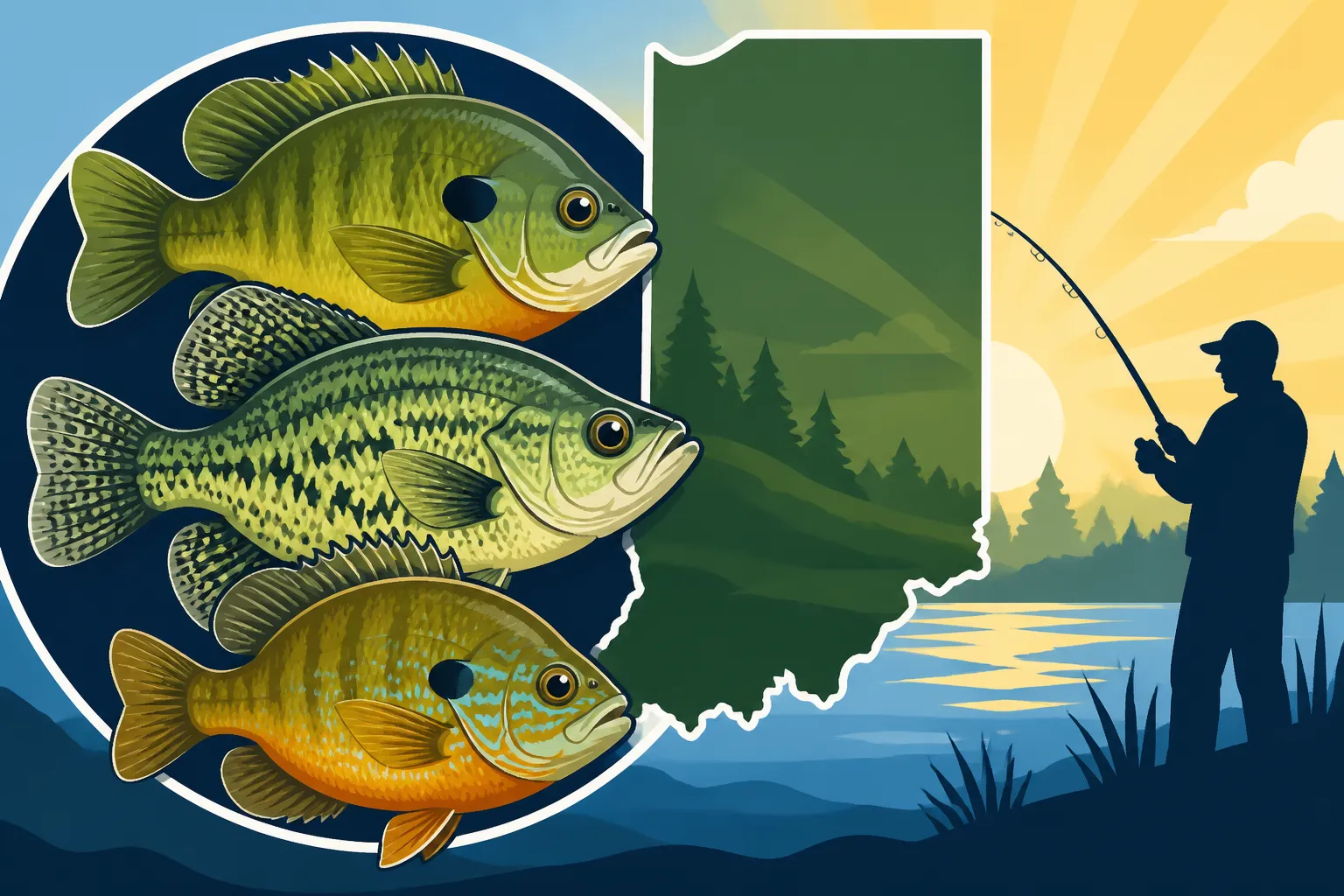
So, let's get right to it: the general daily bag limit for panfish in Indiana is 25 fish per species. This is a really important distinction, and it's where a lot of anglers, both new and experienced, can get tripped up. It doesn't mean you can catch 25 panfish total, regardless of what they are. It means you can keep up to 25 bluegill, 25 crappie (black crappie and white crappie are counted together as "crappie" for this purpose, but separately from bluegill), 25 redear sunfish, and 25 yellow perch, all within the same day.
Imagine you're having an incredible day on Monroe Lake. You start by pulling in bluegill left and right, and before you know it, your livewell has 20 of them. That's totally fine! If you then move to a different spot and find a school of crappie, you can still catch and keep up to 25 more crappie, because they are a different species. This rule allows for generous harvests of these abundant fish, promoting healthy ecosystems by encouraging responsible angling while still letting you fill your cooler. Just remember that each species has its own individual bucket of 25. For a deeper dive into specific species limits, you might find guides like "How Many Crappie Can You Keep in a Day?" or "How Many Bluegill Can You Keep in Indiana?" incredibly helpful.
Why the Limits Exist
It's easy to sometimes feel like regulations are just there to make fishing more complicated, but in reality, they serve a vital purpose. Daily bag limits, including those for panfish, are a cornerstone of fisheries management in Indiana. Their primary goal is to ensure the sustainability of fish populations. Without limits, there's a real risk of overfishing, which can quickly deplete a species, leading to smaller average sizes and fewer fish for future generations.
Indiana's Department of Natural Resources (DNR) uses these limits, along with other tools like stocking programs and habitat protection, to maintain healthy, thriving fisheries. These rules aren't arbitrary; they are based on scientific data about fish reproduction rates, growth patterns, and the overall health of specific bodies of water. For panfish, which reproduce quickly and are generally abundant, the 25-fish per species limit strikes a balance. It allows anglers to enjoy a productive day while protecting the long-term health of the resource. It’s about ensuring that your grandkids will have just as good a chance to catch those feisty bluegill as you do today.
What Counts as "Panfish" in Indiana?
When we talk about "panfish" in Indiana, we're generally referring to a specific group of smaller, often schooling fish that are popular targets for their prolific numbers and excellent eating quality. They’re typically caught with lighter tackle, making them perfect for a relaxing day on the water, especially for families with kids. However, not every small fish you catch falls under the panfish category for regulatory purposes, and it's essential to know the difference.
Common Panfish Species
In Indiana, the panfish limit primarily applies to several key species that are widely distributed across the state's lakes, ponds, and slower-moving rivers. The main players you'll encounter that fall under the 25-fish per species daily limit are:
- Bluegill: Perhaps the most iconic panfish, bluegill are found almost everywhere. They're identifiable by their dark "ear flap" and often vibrant blue and orange coloring. They're a favorite for kids and seasoned anglers alike. If you're wondering about specific limits, remember the "How Many Bluegill Can You Keep in Indiana?" article confirms that 25 per day rule.
- Crappie (Black and White): Both black and white crappie are incredibly popular and are grouped together for the daily limit. They're known for their delicious white meat and can be caught in large numbers when you find a school. Black crappie typically have irregular black spots, while white crappie have distinct vertical bars. Understanding "Black Crappie Identification: Spots and Body Shape" can help you tell them apart, though they both fall under the same crappie limit.
- Redear Sunfish: Often called "shellcrackers" for their diet of snails, redear sunfish are another excellent panfish. They resemble bluegill but usually have a red or orange margin on their ear flap. The "Redear Sunfish Daily Limit: 25 per Day" applies directly to these tasty fish.
- Yellow Perch: While more prominent in northern Indiana lakes and Lake Michigan, yellow perch are also included in the general panfish category. Their distinct vertical bars and golden-yellow sides make them easy to identify.
Each of these species contributes to the diverse panfish opportunities in Indiana. Knowing which fish fall into this category is your first step to adhering to the rules and having a successful, compliant fishing trip. The article "Indiana Panfish Daily Limits by Species" provides a great overview of these, confirming that panfish limits are indeed counted separately by species.
Species Not Included in Panfish Limits
It's crucial to understand that not all fish you might consider "small" or "fun to catch" are counted as panfish under Indiana's regulations. Other species, even if they're not massive, have their own specific daily bag and sometimes even length limits. Mistaking these for panfish could lead to an unintentional violation. Here are a few examples of species that have different regulations:
- Bass (Largemouth, Smallmouth, Spotted): While often caught on similar gear, bass are considered game fish with much stricter limits, typically five combined bass per day with specific length restrictions.
- Walleye and Saugeye: These highly prized game fish also have specific daily limits and minimum length requirements that vary by water body.
- Catfish (Channel, Flathead, Blue): Catfish generally have a much higher daily limit than bass or walleye, but it's still distinct from panfish limits.
- Trout and Salmon: Found primarily in Lake Michigan tributaries and stocked inland waters, these fish have their own unique limits, often requiring a separate "Indiana Trout and Salmon Stamp Requirements" in addition to your standard Indiana Fishing License.
Always double-check the current Indiana Fishing Regulations Guide or the DNR website before heading out, especially if you plan to target a variety of species. Knowing the specific rules for each fish type you might encounter is part of being a responsible angler.
Practical Scenarios and Common Misunderstandings
Let’s face it, understanding fishing regulations can sometimes feel like trying to decipher a secret code. Even with the "25 per species" rule clearly stated, real-world scenarios can throw a wrench into things. Many anglers have honest questions that go beyond the basic text, and that's completely normal. Let’s break down some common situations and misunderstandings to help you stay compliant on the water.
Mixing and Matching Species
This is probably the biggest source of confusion for panfish anglers. The phrase "25 per species" is key. It’s not a cumulative total for all panfish. You can fill your livewell with a variety of panfish, as long as you don't exceed 25 of any one type.
Let's walk through an example: Imagine you're fishing a pond in southern Indiana.
- You start the day and catch 15 bluegill. You're well within your limit for bluegill.
- Later, you move to a brush pile and start catching 20 crappie. You now have 15 bluegill and 20 crappie. Both are separate species, so you're still legal on both counts.
- Then, you discover a school of redear sunfish and manage to land 10 of them. Your total is now 15 bluegill, 20 crappie, and 10 redear sunfish.
In this scenario, you've kept a grand total of 45 panfish, but because you haven't exceeded 25 of any single species, you are perfectly within the legal limits. The important takeaway is that the count resets for each distinct panfish species. This is why "Panfish Limits Counted Separately by Species" is such a crucial concept to grasp.
Fishing with Family or a Group
Another common question is how limits apply when you're fishing with multiple people, especially kids. The daily bag limit applies to each licensed angler individually. This means if you, your spouse, and your 16-year-old child (who doesn't need a license yet in Indiana because kids fish free until age 18) are all fishing, each of you can keep your own daily limit of 25 per species.
So, if you're on the boat with your family and you're all targeting bluegill, theoretically, if everyone is catching fish, your boat could have significantly more than 25 bluegill. For instance, if you and your spouse each caught 25 bluegill, and your child caught 25 more, your group could legally possess 75 bluegill for the day! This makes panfishing a fantastic family activity, allowing everyone to contribute to the day's bounty. Just ensure that everyone understands the rules and is actively participating in the fishing. Remember that "Bluegill and Panfish: A Great Starter Fish for Kids in Indiana" makes them an ideal target for group outings.
The Importance of Accurate Identification
Sometimes, in the excitement of a bite, fish can look similar, especially within the sunfish family. Misidentifying your catch can accidentally lead to exceeding a limit for one species while believing you're still within limits for another. For example, a beginner might confuse a green sunfish (which often has a different limit or isn't grouped with panfish) with a bluegill. While often minor, intentional or unintentional violations can still carry consequences.
Taking a moment to positively identify your fish is always a good practice. Many anglers keep a small fish identification guide or use a reliable app on their phone. If you're unsure, it's always safer to release the fish or assume it's the more restricted species if there's any doubt. Knowing the subtle differences, like those covered in "Redear Sunfish vs Bluegill: How to Tell Them Apart," can save you from a potential headache. You can even find great waterproof fish identification charts on platforms like Amazon that are perfect for keeping in your tackle box.
Respecting the Rules and Resources
Fishing is more than just catching fish; it’s about connecting with nature, enjoying the outdoors, and being a responsible steward of our natural resources. Adhering to daily limits and other regulations isn't just about avoiding penalties; it's about ensuring the health and abundance of fish for everyone, now and in the future.
Penalties for Exceeding Limits
Nobody wants to have their relaxing day on the water end with a conversation with a conservation officer, but it's a very real possibility if you're not following the rules. Fishing without a proper "Indiana Fishing License Requirements Explained" or exceeding daily bag limits can lead to significant penalties. These can range from fines to even the confiscation of your gear and catch.
The specific "Penalties and Fines for Fishing Without a License" or for over-the-limit catches can vary depending on the severity of the violation, whether it's a first offense, and the specific county where the infraction occurred. Conservation officers are trained to uphold these laws, and they do so to protect the state's natural resources. While they generally prefer to educate, repeated or egregious violations will result in enforcement action. It’s always better to be safe than sorry – if you’re close to your limit, it’s a good idea to start practicing catch and release or simply call it a day for that species. You can buy a handy fish counter on Amazon to help keep track if you're having a particularly good day!
Conservation for Future Generations
Think of daily limits as an investment in the future of Indiana fishing. By taking only what you need and adhering to the established regulations, you're directly contributing to the long-term health of our aquatic ecosystems. Panfish, in particular, play a crucial role in the food chain, serving as forage for larger game fish like bass and walleye, while also providing incredible recreational opportunities.
When we fish responsibly, we ensure that these fish populations remain robust, allowing them to reproduce effectively and maintain a healthy age structure. This means not only plenty of fish for us to catch today but also for the generations of anglers who will follow. Teaching young anglers about conservation and the importance of respecting limits is just as vital as teaching them how to cast. It instills a sense of responsibility and appreciation for the natural world that extends far beyond just catching dinner. So, whether you're using a fancy rod and reel or a simple cane pole with a bobber, every angler has a part to play in preserving Indiana’s rich fishing heritage. Investing in quality gear for responsible angling, perhaps from a trusted retailer like Amazon, can also contribute to a better fishing experience for everyone.
Here's a quick reference table for Indiana's general panfish daily limits:
| Species | Daily Bag Limit (per person) | Notes |
|---|---|---|
| Bluegill | 25 | |
| Crappie (Black & White) | 25 | Combined total for both Black Crappie and White Crappie. |
| Redear Sunfish | 25 | |
| Yellow Perch | 25 | |
| Total Panfish | Varies | Not a cumulative total. Limits are 25 per individual species listed above. |
Disclaimer
Please note that fishing regulations can change. While this guide provides the most current and accurate information available at the time of writing, it is always the angler's responsibility to check the latest Indiana Department of Natural Resources (DNR) fishing regulations before heading out. Official regulations supersede any information found in this or any other unofficial guide.