Best Type III Life Jackets for Indiana Anglers
There’s a common frustration among Indiana anglers: finding a life jacket that actually feels good to wear, rather than feeling like a bulky, restrictive burden. We all know how quickly a day on the water can turn uncomfortable when your personal flotation device (PFD) chafes, rides up, or hinders your perfect cast. This guide is all about helping you navigate the options and discover the best Type III life jackets specifically designed to keep you safe, comfortable, and agile while you're out chasing that next big catch across Indiana's diverse waterways.
Understanding Type III Life Jackets: What Makes Them Angler-Friendly?
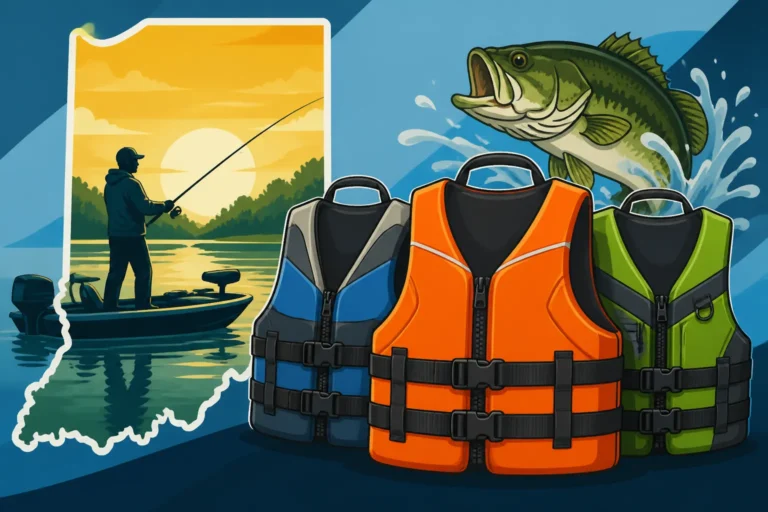
When we talk about life jackets, it's not a one-size-fits-all conversation. There are different types, each designed for specific activities and conditions. For most recreational fishing in Indiana, a Type III PFD is going to be your best friend. It’s a flotation aid that prioritizes comfort and freedom of movement, which is absolutely essential for us anglers.
The Basics of Type III PFDs for Anglers
So, what exactly is a Type III PFD? Unlike Type I or Type II PFDs, which are often bulkier and designed to turn an unconscious person face-up in the water (think offshore use or rough seas), a Type III is primarily a "flotation aid." It’s intended for use in calm, inland waters where there's a good chance of immediate rescue, like many of Indiana's lakes and rivers. They offer sufficient buoyancy to keep you afloat, but they generally require the wearer to be conscious and actively participate in staying face-up.
The reason Type III PFDs are the go-to choice for anglers is precisely because of their design philosophy: continuous wear. Manufacturers know that if a life jacket isn't comfortable, people won't wear it. So, they've engineered Type IIIs to be much less cumbersome, offering a slimmer profile and more flexibility than their heavy-duty counterparts. This means you can cast, reel, and even net a fish without feeling like you're wrestling a giant foam marshmallow.
While a Type III PFD might not offer the same level of automatic turning capability as a Type I, its enhanced comfort and mobility significantly increase the likelihood that you'll actually wear it the entire time you're on the water. And let's be honest, the safest life jacket is the one you have on when you need it most. So, for targeting bass on Monroe Lake: Indiana's Largest Lake for Bass Fishing or casting for walleye, a well-fitting Type III is the practical choice.
Why Comfort and Mobility Matter So Much on the Water
Every angler has probably uttered some variation of, "This thing just gets in the way!" We've all been there, trying to make a precise cast, only to have the bulky front of a PFD snag our arm or restrict our shoulder movement. It’s incredibly frustrating when your safety gear actively interferes with the very activity you’re trying to enjoy. This isn't just about minor annoyance; it's about the core function of fishing itself.
The consequence of this discomfort is often predictable: the life jacket ends up stowed away in a boat compartment, under a seat, or even left on shore. It's a common, if dangerous, habit, especially on a hot summer day. But as all good safety guides, like Indiana Boater Safety Gear Checklist, will tell you, a life jacket can only protect you if you're actually wearing it. That's why the focus on comfort isn't a luxury; it's a fundamental safety feature.
Modern Type III designs have truly come a long way in addressing these pain points. You'll find options with thinner foam panels, strategically placed segmentation, and flexible fabrics that move with your body. Some even feature open sides or mesh panels to reduce bulk and improve airflow. This thoughtful engineering means you can focus on the fishing, knowing your PFD is there for protection without being a constant reminder of its presence.
Key Features to Look For in an Angler's Type III Life Jacket
When you're shopping for a life jacket, especially one you plan to spend hours wearing while actively fishing, it’s worth looking beyond just the buoyancy rating. The devil, as they say, is in the details, and for anglers, those details can make or break your experience.
Pockets, Zippers, and Attachment Points
Think about all the little bits and bobs you keep handy while fishing: pliers, line cutters, a small box of essential lures, your phone, maybe even your keys. Having to constantly dig through a tackle bag or reach into pants pockets can be a real hassle, especially when you're in the middle of a hot bite or trying to land a feisty fish. This is where an angler-specific life jacket truly shines.
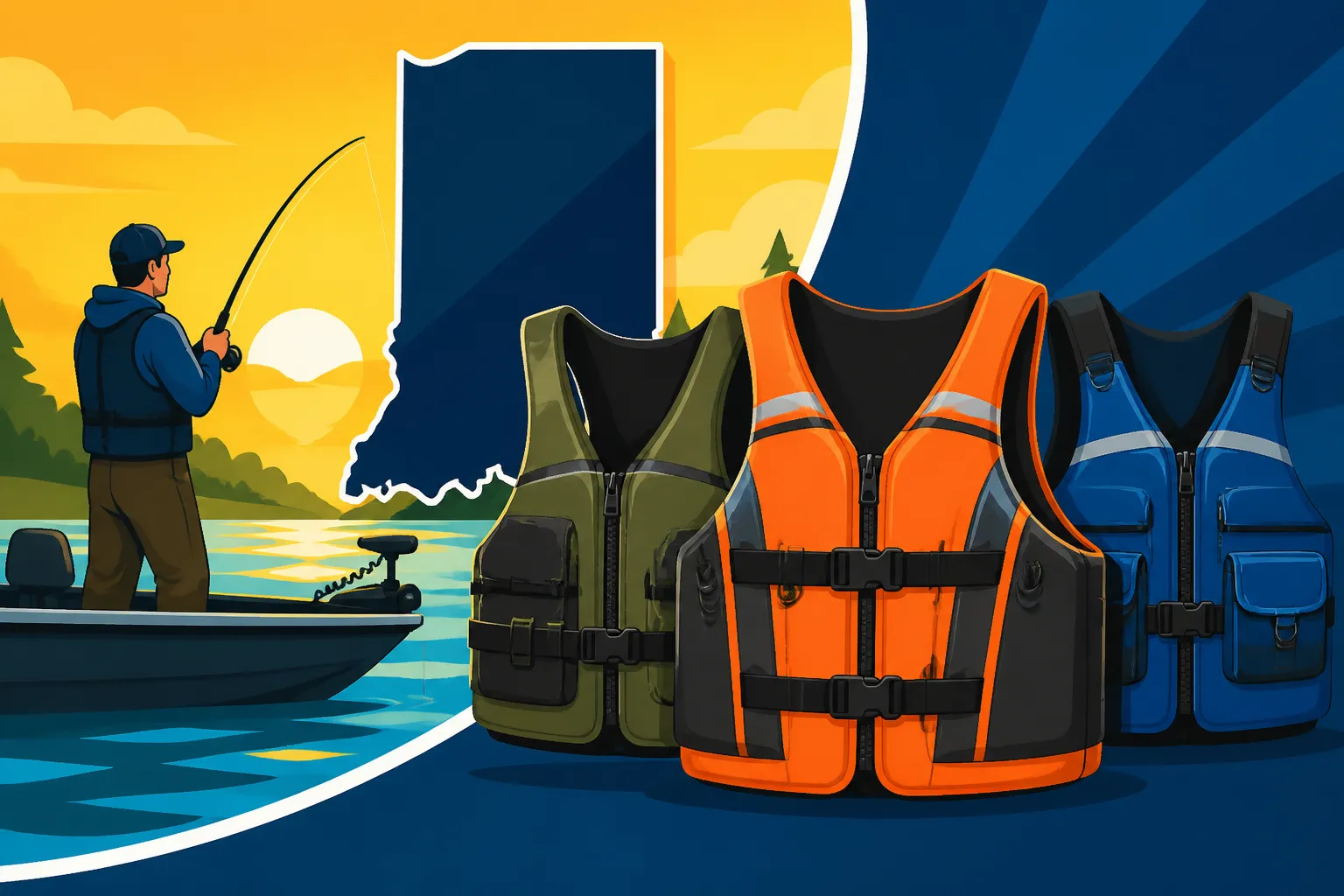
Many Type III PFDs designed for fishing come equipped with an array of pockets. Look for zippered pockets to keep items secure, and ideally, ones with mesh drain holes to prevent water from pooling. Some even have dedicated tool loops or magnetic attachments for quick access to pliers or nippers. Imagine reaching for your multi-tool without missing a beat while battling a big catfish on the Wabash River; that’s the kind of convenience we’re talking about.
Beyond pockets, attachment points like D-rings or webbing loops are incredibly useful. You can clip on a kill switch lanyard, attach a small net, or even secure a whistle (a vital piece of Indiana Boater Safety Gear Checklist) for emergencies. These small features enhance your efficiency and reduce clutter in the boat, allowing you to focus on the task at hand rather than searching for lost gear.
Material and Durability for Indiana Waters
Our fishing environments are tough on gear. Sun, water, fish slime, mud, and hooks can all take a toll. That’s why the materials used in your life jacket are just as important as its design. You want something that’s going to hold up season after season, whether you’re fishing the calm waters of a local pond or the choppier sections of Lake Michigan.
Most quality Type III PFDs are constructed from heavy-duty nylon or ripstop fabrics, which are known for their resistance to tears and abrasions. Some will feature neoprene for a more form-fitting, flexible feel, though neoprene can sometimes be warmer. Pay attention to the stitching; double or triple stitching in high-stress areas like shoulder straps and attachment points indicates a well-made, durable product. These are the kinds of details you'll often find on trusted brands available at places like Bass Pro Shops, where gear is built to last.
Don't overlook the zippers. Cheap zippers can corrode, seize, or break, rendering your pockets useless or affecting the fit of the jacket. Look for robust, non-corrosive plastic zippers or heavy-duty coated metal zippers that can withstand exposure to freshwater and sunlight. A good, durable material not only prolongs the life of your investment but also ensures that the PFD maintains its integrity and buoyancy when you need it most.
Flotation Design and Buoyancy Ratings
While all Type III PFDs provide adequate flotation, how that buoyancy is distributed throughout the vest can significantly impact comfort and mobility. Generic, boxy life jackets often have thick, uniform foam panels that restrict movement, especially in the chest and arm areas. An angler-specific Type III, however, is designed with strategic foam placement.
Many models feature segmented foam panels, allowing the jacket to bend and flex with your body rather than acting as a rigid shell. You might find thinner foam in the shoulder and armpit areas to facilitate casting, and thicker foam concentrated around the torso for core buoyancy. Some vests even have a "split-back" design, making them more comfortable when seated in a kayak or a boat with a high seat back.
For adult sizes, Type III PFDs typically offer a minimum of 15.5 pounds of buoyancy. To put that in perspective, the average adult only needs about 7-12 pounds of buoyancy to stay afloat. The extra flotation in a Type III is there to provide an added margin of safety and help keep your head above water without much effort. When shopping, always ensure the PFD is Coast Guard approved and clearly states its buoyancy rating.
Comfort and Fit: The Unsung Heroes of a Good Life Jacket
You can have a life jacket with all the bells and whistles, but if it doesn't fit correctly or feels uncomfortable, you're less likely to wear it. And as we've already established, the best life jacket is the one you actually have on. For anglers, this means focusing heavily on adjustability and breathability.
Adjustable Straps and Customization Options
Let's face it, anglers come in all shapes and sizes. And what feels comfortable over a thin t-shirt in July might feel completely different over a heavy sweatshirt in April when you're targeting early-season crappie. That's why extensive adjustability is crucial in a Type III life jacket. A truly great PFD will feature multiple adjustment points that allow you to customize the fit to your specific body type and the layers of clothing you’re wearing.
Look for straps at the shoulders, sides, and waist. These allow you to cinch the vest down for a snug fit that won't ride up when you're actively moving, casting, or even just standing up in a boat. A common complaint is a life jacket that rides up around your ears when you're in the water, which can be disorienting and uncomfortable. Multiple adjustment straps help mitigate this, keeping the PFD securely in place. When trying on a vest (even if you're ordering from a large online retailer like Amazon, make sure they have a good return policy!), perform the "lift test." Tighten all straps, then have someone lift up on the shoulders of the vest. If it slides up past your ears, it's too big or not adjusted properly.
The ability to fine-tune the fit means you can avoid chafing, especially under the arms, and ensure that the foam panels sit where they're supposed to, maximizing both comfort and effective buoyancy. Investing a little time in adjusting your PFD properly before each trip will pay dividends in comfort throughout the day.
Breathability and Ventilation for Hot Indiana Summers
Indiana summers can be notoriously hot and humid, especially out on the open water. There’s nothing quite like the feeling of sweat pooling under a stifling life jacket, making you want to rip it off the moment you feel safe enough. This is a major reason why many anglers opt not to wear their PFD, which, of course, negates its entire purpose.
Thankfully, many angler-specific Type III life jackets incorporate clever designs to combat heat. Look for features like mesh backs, which allow air to circulate between your back and the boat seat, or open-sided designs that minimize material under your arms and along your sides. Some PFDs even feature internal ventilation channels to promote airflow. These details are a game-changer when you're spending hours under the blazing sun on a lake like Patoka.
While highly ventilated designs might sometimes sacrifice a few pockets compared to a fully enclosed vest, the trade-off in comfort is often well worth it. Staying cool and dry means you're far more likely to keep your life jacket on, ensuring your safety throughout your fishing adventure. It's a small detail that makes a monumental difference in your overall enjoyment of the day.
Maintenance and Longevity: Keeping Your PFD Ready for Action
Just like your rods, reels, and tackle, your life jacket is a piece of essential gear that needs a little love and attention to perform its best and last for years. Neglecting it can not only shorten its lifespan but, more importantly, compromise its effectiveness when you need it most.
Proper Cleaning and Drying Techniques
It's inevitable: your life jacket is going to get dirty. Fish slime, sunscreen residue, bug spray, sweat, mud, and even spilled snacks are all part of the angling experience. While a little dirt won't hurt its buoyancy, it's important to keep your PFD clean to prevent mildew, odors, and material degradation.
After each trip, especially if it's been a particularly messy day, give your life jacket a good rinse with fresh water. If there's stubborn grime or odor, a mild soap or PFD-specific cleaner can be used. Gently scrub any soiled areas, but avoid harsh detergents, bleach, or strong chemical cleaners, as these can break down the fabric and foam. Rinse thoroughly to ensure all soap residue is removed.
The most critical step is to ensure your life jacket is completely dry before storing it. Hang it in a well-ventilated area, out of direct sunlight. While sunlight can help dry things, prolonged exposure to UV rays can weaken the fabric and cause colors to fade over time. Storing a wet or even damp life jacket is an open invitation for mildew, which not only smells terrible but can also degrade the materials, making the PFD less effective. Imagine reaching for your jacket to go Fishing Lake Michigan's Indiana Shoreline and finding it covered in mildew – not ideal!
Storage Best Practices and Inspection
Proper storage is key to extending the life of your PFD. Once it’s clean and completely dry, store it in a cool, dry, well-ventilated area, away from extreme temperatures and direct sunlight. Avoid stuffing it into a tight compartment where the foam could become compressed or bent out of shape, as this can permanently reduce its buoyancy. Hanging it up, or laying it flat in a locker or large bag, is usually best.
Before each fishing trip, and certainly at the start of every fishing season, take a few moments to thoroughly inspect your life jacket. Check for any tears, punctures, or frayed straps. Look at the buckles and zippers to ensure they're still functioning smoothly and aren't corroded. Squeeze the foam panels to check for any signs of compression or hardening; if the foam feels brittle or significantly flatter in areas, it's a sign that the buoyancy may be compromised. Fading or discoloration of the outer fabric can also indicate UV damage, which can weaken the material.
If you find significant damage, excessive compression of the foam, or if the jacket no longer fits snugly, it’s time to replace it. A life jacket isn’t meant to last forever, and its effectiveness directly relates to your safety on the water. Think of it as a small investment in countless future fishing trips.
Here's a quick look at the features that make a Type III PFD perfect for anglers:
| Feature | Benefit for Anglers | Example |
|---|---|---|
| Ample Pockets | Keeps tackle, pliers, and phone easily accessible | Front zippered pockets with drain holes, tool loops |
| Multiple Adjustments | Ensures a snug, comfortable fit for all body types | Shoulder, side, and waist straps for custom sizing |
| Mesh Back/Ventilation | Prevents overheating and discomfort in warm weather | Open-sided designs, mesh panels for airflow |
| Durable Fabric | Resists snags, sun, and fish slime for long-lasting use | Ripstop nylon, heavy-duty stitching on high-wear areas |
| D-Rings/Attachment Pts | Convenient for kill switches, nets, or lights | Small metal rings on chest or shoulders for accessories |
Ultimately, finding the best Type III life jacket for your angling adventures in Indiana boils down to prioritizing comfort, mobility, and the specific features that enhance your fishing experience. Whether you’re casting for bass in a quiet pond or trolling for salmon on Lake Michigan, a well-chosen PFD will ensure you stay safe and comfortable, allowing you to fully enjoy the peace and thrill of fishing. Don’t let a bulky or ill-fitting vest keep you from wearing this critical piece of safety gear.
Disclaimer
This article is for general informational purposes only and does not constitute professional advice. Laws, prices and regulations vary by location and change over time. Consult a qualified professional for guidance on your specific situation.