Best Public Boat Ramps for Lake Fishing
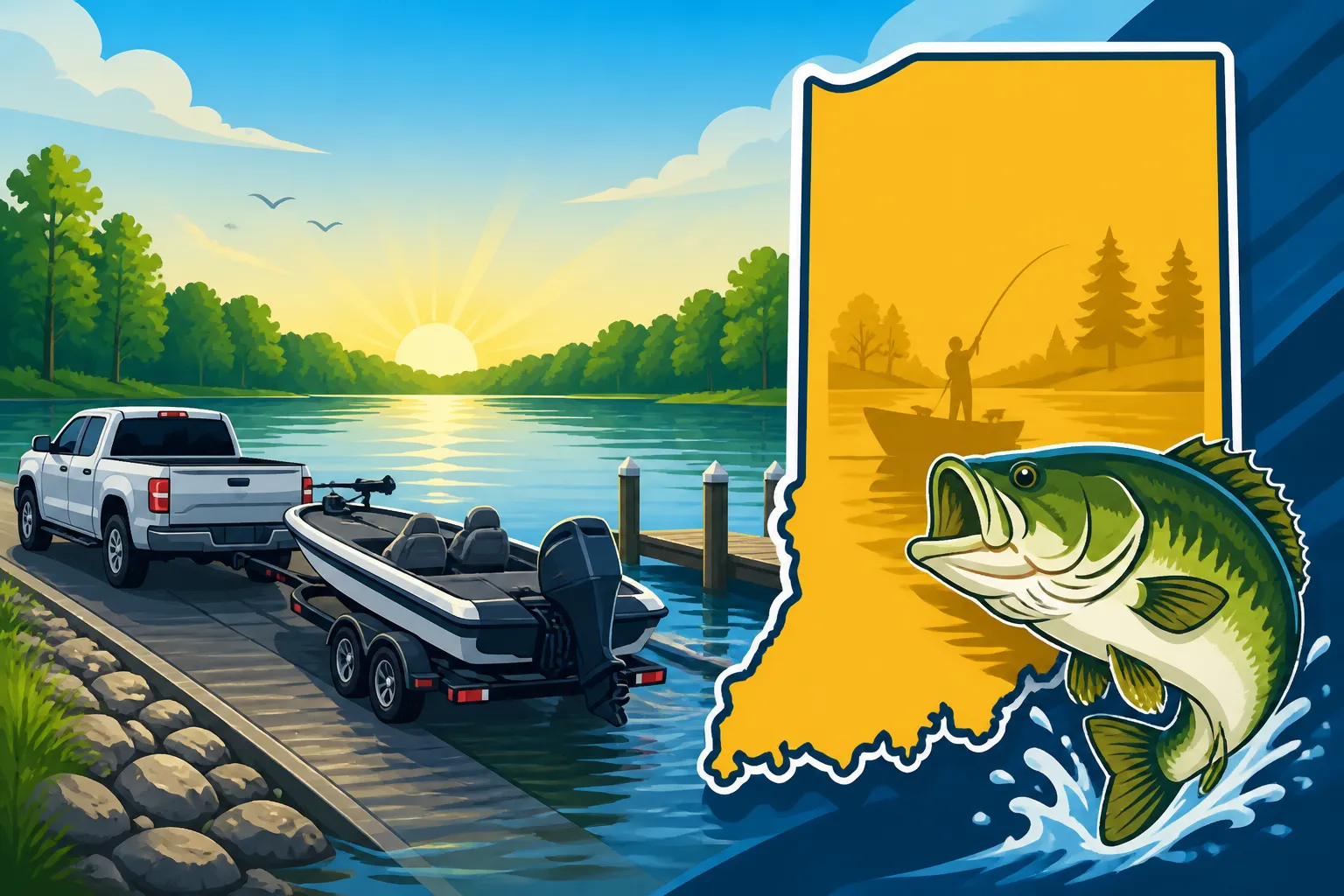
Oh, the joy (and sometimes, pure frustration!) of trying to find a decent boat ramp in Indiana. You spend all week dreaming of that perfect day on the water, only to arrive at the lake and find a ramp that's either too steep, too shallow, or so utterly packed you can barely turn your trailer around. It’s a common heartache for Hoosier anglers, but don't you worry. This guide is all about cutting through that stress and pointing you toward the very best public boat ramps across Indiana's many lakes, ensuring your next fishing trip starts and ends with ease.
Understanding What Makes a Great Boat Ramp
Before we dive into specific locations, let's talk about what actually separates a "good" boat ramp from a "great" one, or even a downright dreadful one. It's more than just a piece of concrete meeting the water; it's about the entire experience from the moment you pull off the main road. Many veteran anglers will tell you that a smooth launch and retrieve can make or break a day on the water, especially when dealing with early morning light or a tricky wind.
Ease of Access and Parking Considerations
Imagine pulling a 20-foot bass boat or a pontoon boat down a narrow, winding road, only to be met with a tiny, overcrowded parking lot. It’s a nightmare scenario, and it’s one of the biggest factors that can ruin your anticipation before you even get on the water. A truly great boat ramp starts with an easily accessible entrance, often right off a well-maintained road, with clear signage guiding you in. Look for ramps that offer wide turns into the launch area itself, giving you ample room to maneuver your trailer without feeling like you’re trying to thread a needle with a semi-truck.
Parking is another colossal consideration. We're not just talking about car spots; we're talking about dedicated truck and trailer parking. You need space, and lots of it, to unhitch, park, and then walk back to your boat. The best ramps have designated, striped parking spots that can accommodate various truck and trailer lengths, often with separate overflow areas for busy weekends. It also helps if the parking is relatively flat, so you don't have to worry about your truck rolling down a hill while you're trying to back up. Finding a ramp with this kind of thoughtful design can truly alleviate a lot of that pre-fishing stress.
Ramp Condition and Water Depth
So you've navigated the turns and found parking – great! Now, what about the ramp itself? A well-maintained concrete ramp is paramount. You want a smooth, grippy surface that isn't riddled with cracks, potholes, or algae that can make it incredibly slick. These seemingly small details become huge when you’re trying to maintain traction, especially if your tow vehicle is two-wheel drive or you’re launching a heavier craft. Nobody wants to be the person stuck half-in and half-out of the water because the ramp surface betrayed them.
Beyond the visible condition, the actual water depth and the length of the ramp are critical. Some ramps are perfectly fine for smaller jon boats or kayaks but become a serious challenge for deeper-draft bass boats or larger pontoons, especially if the water levels are low. The best ramps extend well into the water, providing sufficient depth for all but the largest recreational boats, even during periods of drought or seasonal drawdown. It’s always a good idea to do a bit of research or even call the local DNR office or marina if you’re unsure about current water levels, particularly on lakes known for fluctuating depths.
Amenities and Nearby Services
While not strictly about the "launch" itself, the surrounding amenities play a huge role in the overall quality of a boat ramp experience. Think about it: you’ve just had a fantastic day on the water, maybe even caught your limit of crappie or bass. What next? The best public ramps often feature amenities like clean, well-maintained restrooms – a true blessing after a long day! You might also find fish cleaning stations, which are incredibly convenient for processing your catch before you head home.
Beyond immediate facilities, proximity to services is a major bonus. Is there a bait and tackle shop nearby where you can grab last-minute minnows or a new lure you saw another angler having success with? What about a gas station that can handle boats, or a small convenience store for drinks and snacks? Some ramps, especially within state parks or recreation areas, might even have security patrols or good lighting for those early morning or late evening launches. These little conveniences might seem minor, but they add up to a much more pleasant and stress-free fishing adventure.
Top Public Boat Ramps on Indiana's Largest Lakes
Indiana is blessed with some truly fantastic lakes, each offering unique fishing opportunities. But knowing which ramp to hit on these expansive waters can feel a bit overwhelming. Let's break down some of the top choices on our biggest and most popular fishing destinations. These aren't just places to get your boat in the water; they're gateways to some of the best fishing experiences the state has to offer.
Monroe Lake's Premier Launch Sites
Monroe Lake, Indiana's largest inland lake, is a powerhouse for bass, crappie, and catfish. Because of its size and popularity, it boasts several excellent public ramps, but two stand out for their comprehensive facilities and ease of use. Paynetown State Recreation Area, located on the northern shore near Bloomington, is consistently a top choice. It features multiple launch lanes, ample paved parking for hundreds of vehicles with trailers, and typically deep water, even during drier spells. The facilities at Paynetown are impressive, including restrooms, camping, and even a marina store where you can grab bait, tackle, and snacks. It's often bustling, but the sheer capacity makes it manageable, especially if you arrive early.
Another fantastic option on Monroe Lake is Fairfax State Recreation Area. Situated on the lake's western side, Fairfax offers similar high-quality facilities, with wide ramps and generous parking. It provides excellent access to the main body of the lake and its numerous coves and timber, which are prime habitat for largemouth bass. Many anglers choose Fairfax for its convenience and the ability to reach different fishing grounds without a lengthy boat ride from the launch. Both Paynetown and Fairfax exemplify what you want in a public ramp, making your launch smooth and hassle-free, which is critical when you're targeting big fish on such a large body of water. For a more detailed look at your options, check out our guide on the Best Boat Ramps on Monroe Lake in Indiana.
Patoka Lake's Angler-Friendly Access Points
Down in Southern Indiana, Patoka Lake reigns supreme as another one of the state's largest reservoirs and a fantastic fishery for bass, crappie, and hybrid striped bass (wipers). Like Monroe, Patoka has invested heavily in its public access, offering several well-regarded ramps. The Newton-Stewart State Recreation Area ramp is a perennial favorite, providing multiple launch lanes and extensive parking, making it a good choice even on busy weekends. Its central location also gives anglers good access to various sections of the lake, from the main channel to quieter coves, accommodating different fishing styles. The ramps here are generally well-maintained and offer good depth, suitable for a wide range of fishing boats.
Another excellent choice on Patoka is the Jackson Creek ramp, often favored by those looking to target specific areas or escape some of the crowds found at Newton-Stewart. Jackson Creek offers solid facilities and provides access to more secluded arms of the lake, which can be excellent for crappie fishing during the spawn or finding less pressured bass. These ramps are designed with anglers in mind, ensuring that you can get your boat into this incredible fishery without a hitch. When you’re planning your trip, consider what kind of fishing you’ll be doing and which ramp provides the best strategic access. More specific details can be found in our comprehensive Best Boat Ramps on Patoka Lake guide.
Lake Wawasee's Best Launches for Natural Lake Enthusiasts
Moving up to Northern Indiana, Lake Wawasee stands out as Indiana's largest natural lake. Fishing here for walleye, muskie, and various panfish offers a completely different experience than the large reservoirs. Finding reliable public access on natural lakes can sometimes be a bit trickier due to private ownership, but Wawasee does have some great options. The Syracuse Public Access Site is arguably the most well-known and utilized public boat ramp on Lake Wawasee. It’s a busy spot, especially during peak season, but it's well-equipped to handle the traffic.
This ramp offers several lanes and decent parking, though it can fill up quickly on summer weekends. The concrete is generally in good shape, and it provides ample water depth for most recreational and fishing boats. Given that Lake Wawasee is part of a chain of lakes, launching here opens up opportunities to explore adjacent waters as well. While the natural lakes can present unique challenges with fluctuating depths from rainfall rather than managed drawdown, the Syracuse access point is consistently one of the best for reliability. When you're heading to the area, it's a critical access point to consider. For deeper insights into this natural lake, you might want to look at the Best Boat Ramps on Lake Wawasee, Indiana.
Navigating Smaller Lakes and River Access Points
While the big reservoirs often get all the attention, Indiana's smaller lakes and numerous rivers offer incredible, often less crowded, fishing opportunities. These spots might require a different approach to boat access, but they can be incredibly rewarding. Knowing where to launch your boat on these diverse waterways is key to unlocking some hidden gems.
Mississinewa and Salamonie Lakes
In north-central Indiana, the twin reservoirs of Mississinewa Lake and Salamonie Lake offer fantastic fishing for bass, crappie, walleye, and catfish. Both lakes are popular with anglers, and thankfully, they also provide excellent public boat ramps designed to handle the regular flow of traffic. On Mississinewa Lake, the Red Bridge State Recreation Area offers a top-notch launch facility. You'll find multiple lanes and expansive parking, accommodating everything from smaller aluminum boats to larger bass boats. The ramp provides excellent access to the lake's diverse structures, including timbered areas and open water, making it a versatile choice for any angler.
Similarly, Salamonie Lake boasts several well-maintained access points. The main ramp at Salamonie Lake State Park is a solid choice, featuring good parking and generally reliable water depth. These reservoirs are often characterized by fluctuating water levels, especially during summer drawdown for flood control, so a deep, well-extended ramp is vital. The ramps on both Mississinewa and Salamonie are generally built to handle these conditions, allowing you to launch effectively throughout most of the year. Always remember to check current conditions, but these ramps are typically your best bet for a smooth start to your fishing trip. You can find more details in our specific guides like Best Boat Ramps on Mississinewa Lake, Indiana and Best Boat Ramps on Salamonie Lake, Indiana.
Glacial Lakes in Northeast Indiana
Northeast Indiana, particularly Kosciusko and Steuben Counties, is a treasure trove of smaller, often clearer, glacial lakes. These lakes are famous for their populations of muskie, northern pike, and walleye, offering exciting challenges for specialized anglers. While you won't find the massive multi-lane concrete structures of the larger reservoirs, many of these lakes have very functional and well-maintained public access sites. Lake Webster, for instance, has a popular public access point on the north side, which provides good launching for muskie hunters. The ramps might be simpler, but they are often concrete and deep enough for typical bass boats and pontoons that frequent these waters.
James Lake, known for its trophy muskie, also has public access points, though they can be a bit more rustic. It's crucial to understand that on these smaller, more intimate lakes, the ramps might be single-lane or have less expansive parking. You might need to exercise a bit more patience and courtesy, especially on busy days. However, the reward of accessing these pristine waters and targeting trophy fish is often well worth the effort. These areas require a little more local knowledge, and services like FishingBooker can actually be incredibly useful here, connecting you with local guides who know the ins and outs of these specific access points and fishing hot spots.
River Access for Trailered Boats
Indiana's rivers, like the Wabash, White, and St. Joseph, are vital arteries for angling, particularly for smallmouth bass and catfish. Launching a boat on a river presents its own set of considerations, distinct from lakes. Currents can be strong, and depths can fluctuate rapidly after heavy rains. Many river access points are less developed than lake ramps, but several key spots are designed to handle trailered boats. On the mighty Wabash River, public access points near cities like Lafayette or Terre Haute often feature paved ramps suitable for larger boats. These ramps are critical for accessing the deeper pools and runs where channel catfish and smallmouth thrive.
For those targeting salmon and steelhead in the fall, the St. Joseph River in northern Indiana, particularly around South Bend, has excellent public boat launches. These ramps are often designed for larger boats, reflecting the need for sturdy vessels to navigate the river and its currents, especially during the migratory runs. Remember that river ramps can sometimes have steeper grades to account for fluctuating water levels, so a capable tow vehicle is always a good idea. Always be mindful of currents during launch and retrieve, and prioritize safety. If you're planning a trip, exploring resources like Best Fishing Access Points on the Wabash River in Indiana can give you specific locations and tips.
Planning Your Launch Day for Success
Even with the best boat ramp in Indiana, a smooth launch day doesn't happen by accident. It takes a little preparation and understanding of proper etiquette. Trust me, nothing sours a fishing trip faster than a stressful launch, or worse, causing a bottleneck at the ramp because you weren't ready. A well-planned approach ensures you spend more time fishing and less time fumbling around.
Pre-Launch Checklist and Best Practices
Before you even back your trailer down the ramp, there's a crucial ritual that every seasoned boater follows: the pre-launch checklist. This isn't just about safety; it's about efficiency and courtesy to other anglers. Start by checking your boat's drain plug – a surprisingly common oversight that leads to a very wet and embarrassing situation! Make sure all your essential gear is loaded, secured, and easily accessible. Batteries should be charged, and fuel levels checked.
Once you're at the ramp, away from the immediate launch area, take a few minutes to unhook your tie-downs, raise your motor (if applicable), and ensure your boat is ready to slide off the trailer with minimal fuss. Many ramps will have a designated "prep area" for this exact purpose. Being fully prepared when it's your turn at the ramp means you can back down, launch, and clear the area quickly, keeping the flow moving. This isn't just good manners; it prevents frustration for everyone involved and ensures a much smoother start to your day. For a complete rundown, check out our guide on What to Check Before Launching a Boat.
Handling Crowds and Peak Times
Ah, the dreaded ramp crowd! Weekends, holidays, and perfect weather days almost guarantee a busy boat ramp. It’s an inevitable part of enjoying popular fishing spots, but you can navigate it with grace and efficiency. The golden rule is simple: arrive early. Seriously, early. Getting there before sunrise often means you'll have fewer boats to contend with, allowing for a relaxed launch and getting to your fishing spot first. If early isn't an option, be prepared to wait your turn patiently.
When it's busy, communication is key. A simple nod or wave to the next person in line can go a long way. And once you've launched, move your boat away from the ramp promptly to let the next person launch while your partner parks the truck and trailer. Similarly, when retrieving, have your truck and trailer ready to go the moment your boat approaches the ramp. The more you can streamline your process, the less stress you'll experience, and the more smoothly the entire ramp operates. Patience and preparedness are your best friends during peak times.
Leveraging Resources and Apps
In this day and age, you're not just relying on word-of-mouth or outdated maps to find the best ramps. There's a wealth of information at your fingertips. The Indiana Department of Natural Resources (DNR) website is an invaluable resource, often providing detailed maps of public access sites, including information on ramp conditions, parking availability, and specific lake regulations. Many state parks and recreation areas also have dedicated websites or even social media pages that might offer real-time updates on conditions or closures.
Beyond official sources, general fishing forums and local social media groups are fantastic places to get community-sourced information about current ramp conditions or potential issues. And for those looking to truly optimize their fishing trips, especially when exploring new waters, services like FishingBooker can be incredibly beneficial. Not only can you scout potential ramp locations, but you can also find local fishing guides who frequent those specific ramps. These guides often have the most up-to-date knowledge on ramp conditions, ideal launch times, and even alternative access points that might not be widely publicized. They use these ramps daily and can offer invaluable insights, helping you avoid headaches and maximize your time on the water. FishingBooker can also help connect you with local charter services that handle all the boat launching, allowing you to simply show up and fish.
Essential Gear and Boat Considerations for Indiana Ramps
Having the right boat for the job and ensuring your gear is in tip-top shape are just as important as knowing which ramp to use. An otherwise perfect day can quickly go south if your trailer malfunctions or your boat isn't suitable for the chosen launch. Let's dig into some practical considerations for your equipment.
Trailer Maintenance and Tow Vehicle Prep
Your boat trailer is often the unsung hero of your fishing trips, but it's also a common source of frustration if neglected. Before any major trip, especially if you're traveling a distance, give your trailer a thorough once-over. Check tire pressure, including the spare, and inspect for any visible wear or damage. Wheel bearings are another critical component; many embarrassing (and dangerous) roadside breakdowns are due to neglected bearings. Ensuring they're properly greased and in good condition will save you a world of trouble.
Don't forget the trailer lights! A quick check to ensure brake lights, turn signals, and running lights are all functioning is mandatory. Not only is it a legal requirement, but it's crucial for safety on the road. As for your tow vehicle, ensure it's properly rated for your boat's weight. A vehicle that's too small or underpowered will struggle on steep ramps and put unnecessary strain on its transmission and brakes. The right hitch, securely attached, is also non-negotiable. Taking these preventative steps can mean the difference between a smooth journey to the lake and an unexpected detour to a repair shop.
Boat Size and Type vs. Ramp Suitability
It's a simple truth: not all boats are created equal, and neither are all boat ramps. The type and size of your boat should absolutely factor into your choice of launch site. If you're running a smaller jon boat or a lightweight kayak, you have a lot more flexibility. You can often use shallower, more rustic ramps, and sometimes even hand-launch from designated bank access points. However, if you're piloting a deep-V bass boat, a large pontoon, or a cabin cruiser, you'll need ramps with substantial depth, a solid foundation, and plenty of turning radius.
Consider your boat's draft – how much water it needs to float freely. Some older or less maintained ramps might become unusable for deeper-draft boats during periods of low water. Pontoons, with their often wider stances and longer trailers, require ramps that are wide enough to accommodate them comfortably without hitting obstacles. If you're debating different boat sizes for your Indiana fishing adventures, our guide on Best Fishing Boats Under 20 Feet for Indiana Lakes might offer some useful perspectives, helping you choose a vessel that's compatible with a wide array of local launch sites. Always match your boat to the ramp, not the other way around.
Navigating Indiana's Boating Regulations
Getting your boat in the water is one thing, but making sure you're legally compliant is another. Indiana has specific boating regulations that apply to all watercraft, and ignorance is rarely an excuse. First and foremost, ensure your boat is properly registered with the state of Indiana, and that you have your current registration and decals prominently displayed. This is something conservation officers often check, especially at popular boat ramps. If you're new to boating in the state, understanding Indiana Boat Registration Rules Explained can save you from potential fines.
Beyond registration, having the required safety gear on board is paramount. This includes U.S. Coast Guard-approved life jackets for every person on board, and throwable flotation devices for boats over 16 feet. Navigational lights, a horn or whistle, and a fire extinguisher are also typically required. It's not just about avoiding a citation; it's about ensuring the safety of yourself and your passengers. A quick review of the Indiana Boater Safety Gear Checklist before each outing is a smart habit to develop. By understanding and adhering to these regulations, you ensure your time on the water is not only fun but also safe and worry-free.
Disclaimer
Please remember that fishing regulations, ramp conditions, and water levels can change. Always consult the latest Indiana Department of Natural Resources (DNR) regulations and check local conditions before planning your trip. This guide is for informational purposes and should not be considered legal advice. Stay safe and enjoy your time on Indiana's beautiful waters!